AI moves from farm spreadsheets to autonomous tractors
ERR surveys AI's move from farm bookkeeping to autonomous tractors. The shift hinges on data records built during the spreadsheet era, the report's headline framing suggests.
- Entered
- Plot
- 1.0 ha
- Record
- 393 words
- Walk-through
- 2 min
DrillSprayHarvestCurrent stage
Agronomist’s notes
- ERR's report traces AI's farm role from spreadsheet-based administration to autonomous tractors.
- The headline frames the shift as a two-stage progression: data tools first, driverless machinery second.
- No specific models, prices or trial figures were named in the headline-level information available.
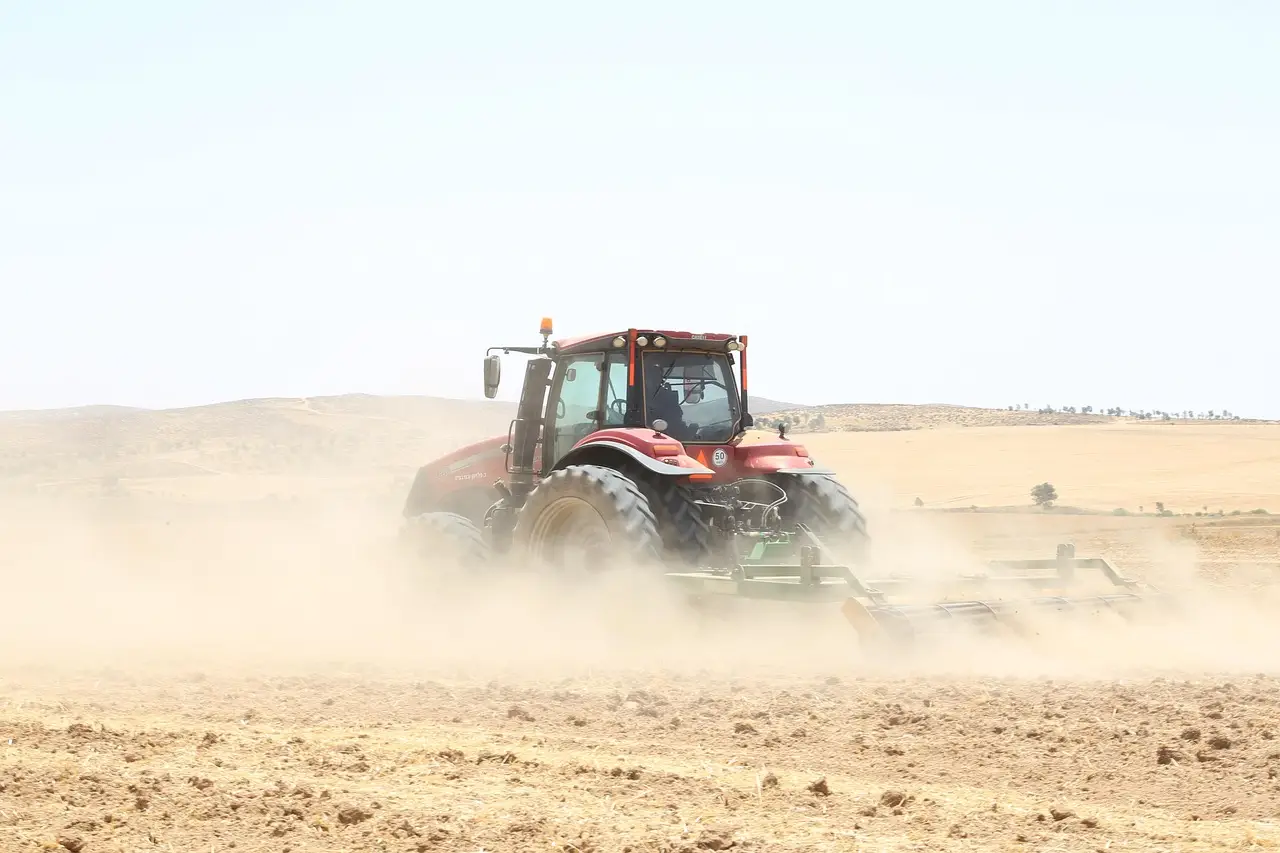
Artificial intelligence on farms has moved out of the spreadsheet and into the tractor cab, according to a report by Estonian public broadcaster ERR.
The ERR investigation, headlined "From spreadsheets to autonomous tractors: AI's growing role in farming", traces how growers now apply the same class of software that once balanced their books to machines that steer, seed and spray without a driver.
What does the shift actually involve?
The report frames the change in two stages. First came data: AI tools handling accounts, yield records and planning documents. That is the spreadsheet era. Second came machinery: autonomous tractors and field robots that act on decisions themselves.
The distinction matters for farmers weighing investment. Buying software for the office carries a subscription cost and a training burden. Buying autonomous hardware carries capital cost, dealer support questions and, in most European markets, unresolved rules on unattended machinery operation in public spaces.
Why the sequencing matters
The spreadsheet-to-tractor progression is not incidental. Data-heavy back-office systems built the datasets — field histories, input logs, yield maps — that autonomous equipment now needs to function. Farms that skipped the record-keeping stage face a steeper path to automation, because driverless machinery is only as good as the field data beneath it.
ERR, Estonia's national public broadcaster, has tracked agricultural technology adoption across the Baltic region, where farm consolidation and labour shortages push growers toward automation earlier than in some western European markets.
What should farmers watch next?
The report signals a broadening of AI from administrative convenience to operational control. For growers, the practical questions are the same ones that precede any machinery purchase: dealer proximity, service contracts, compatibility with existing implements, and whether the farm's own data records are complete enough to feed an autonomous system.
Readers should treat the ERR piece as a survey of direction rather than a trial result. It names no specific tractor models, prices or field studies. Follow-up coverage with named machines and documented outcomes will determine whether the spreadsheet-to-tractor arc describes 2025's reality or its marketing.
Note: Arable Wire received only the headline of the ERR report; the full broadcast text was not available at press time. This analysis draws on the headline's framing and will be updated with model names, figures and trial data once the source is accessible.
via Google News: agricultural machinery (Source)
More from Olivia Hart
Show full bio
News editor covering regulation, policy and their impact on production farming and field operations at Arable Wire.
169 articles
Nearby records
- PH 44John Deere Moves From Machinery Dominance Into Farm Data and AIOctober 10, 2026
- AM 32Ohio's Country Journal turns its attention to AI on the farmOctober 3, 2026
- SY 54Agtonomy adds multi-point turning, logs 2 TB/hr per machineOctober 10, 2026
- MY 73John Deere launches 'JD' AI assistant inside Operations CenterOctober 10, 2026
- UZ 33Fall Ag Shows: Machinery Launches Persist Despite DownturnOctober 9, 2026