Autonomous tractors arrive in two very different size classes
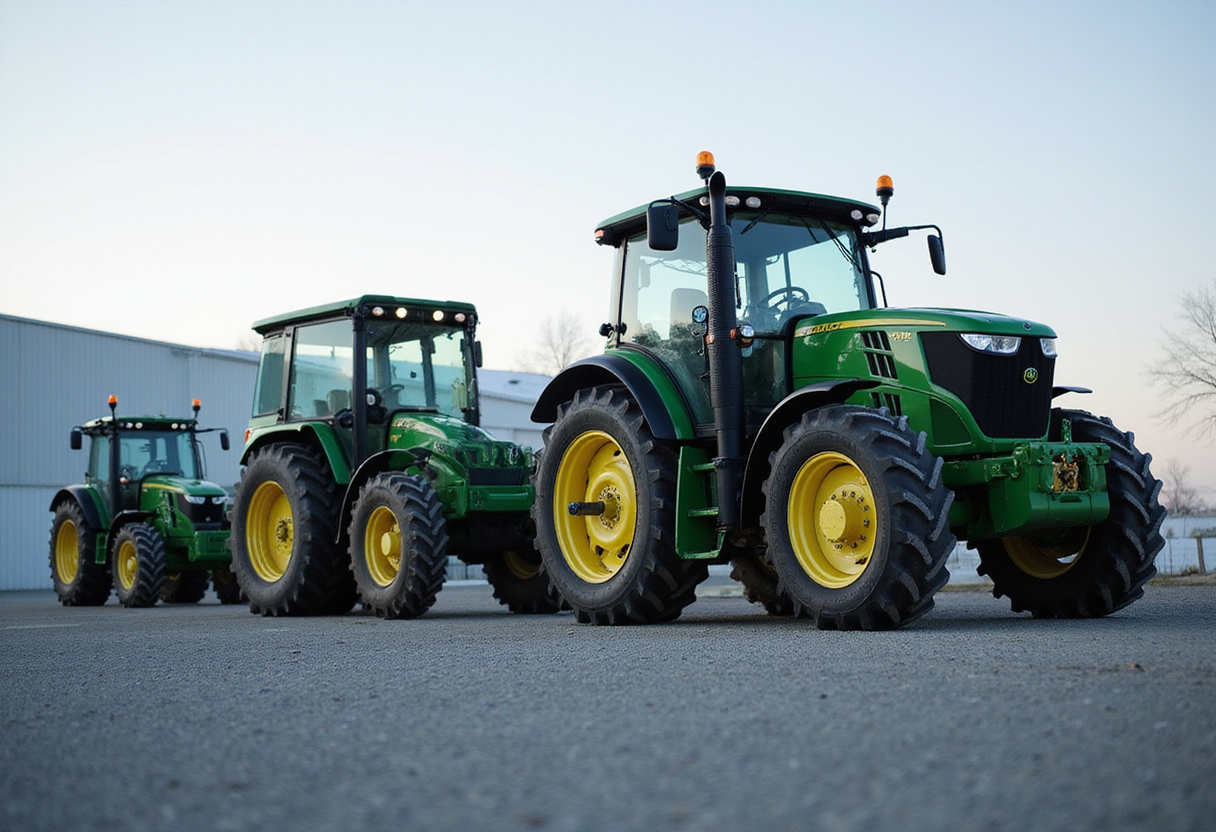
Autonomous tractors are arriving in two distinct size classes, per The Western Producer: compact utility units and high-horsepower flagships for draft work.
- Entered
- Plot
- 0.6 ha
- Record
- 258 words
- Walk-through
- 1 min
DrillSprayHarvestCurrent stage
Agronomist’s notes
- Autonomous tractors are coming to market in two very different sizes, The Western Producer reports.
- One category targets compact, repetitive-task work; the other targets high-horsepower draft operations.
- The size split reflects different farm economics: labour replacement on small units, capacity on large ones.
Autonomous tractors are reaching the market in two sharply different size categories, according to a report from The Western Producer, and the divide between them will shape how quickly farmers adopt driverless machines.
The two categories serve different purposes. Manufacturers are developing compact, lower-horsepower autonomous units suited to repetitive field tasks, while separately pushing high-horsepower driverless platforms aimed at primary tillage, seeding and heavy draft work.
Why two size classes?
The split reflects the economics of autonomy. Small autonomous units carry a lower purchase price and can work in swarms or handle niche operations such as orchard work, mowing and spot treatments. Large autonomous tractors address the opposite problem: the cost and scarcity of skilled operators for long hours of high-drawbar work during tight seeding and harvest windows.
For growers weighing an investment, the category matters more than the badge on the hood. A small autonomous machine changes labour planning for routine tasks. A large one changes the capacity of an entire seeding or tillage program without adding an operator.
What should farmers watch next?
The report signals that both size classes are moving from demonstration to commercial reality. Farmers should watch which manufacturers confirm retail availability in their regions, what safety and liability frameworks regulators attach to driverless operation on public road margins, and whether dealer networks will support autonomous units with the same parts and service coverage as conventional tractors.
The next stage to monitor is real on-farm commercial deployment at both ends of the size spectrum, rather than further prototype unveilings.
via Google News: agricultural machinery (Source)
More from Olivia Hart
Show full bio
News editor covering regulation, policy and their impact on production farming and field operations at Arable Wire.
139 articles
Nearby records
- DZ 86Large farms lead precision agriculture adoption, report findsSeptember 30, 2026
- BJ 19Harvest Season Underway: Drivers Urged to Use Caution Around Farm EquipmentOctober 2, 2026
- MJ 85Drivers Urged to Show Extra Patience as Harvest and Hunting Seasons Collide on Rural RoadsOctober 10, 2026
- EC 75Large Farm Equipment Returns to Local Roads: What Drivers Must KnowOctober 10, 2026
- LT 27Ranchers Turn to AI to Fix Meat Processing LogisticsSeptember 29, 2026