Before You Cut Herbicide Spending, Ask These Questions First
Farm Progress warns growers to audit every herbicide pass before cutting budgets, as skipped chemistry can compound weed seedbanks and resistance costs.
- Entered
- Plot
- 1.8 ha
- Record
- 712 words
- Walk-through
- 4 min
DrillSprayHarvestCurrent stage
Agronomist’s notes
- Farm Progress advises growers to run a pass-by-pass audit before cutting herbicide programs
- Cut rates and skipped passes are a known driver of herbicide resistance in weed populations
- Escaped weeds rebuild the soil seedbank, raising control costs for multiple following seasons
- Scouting and last season's escape maps should drive which chemistry gets cut, not budget targets alone
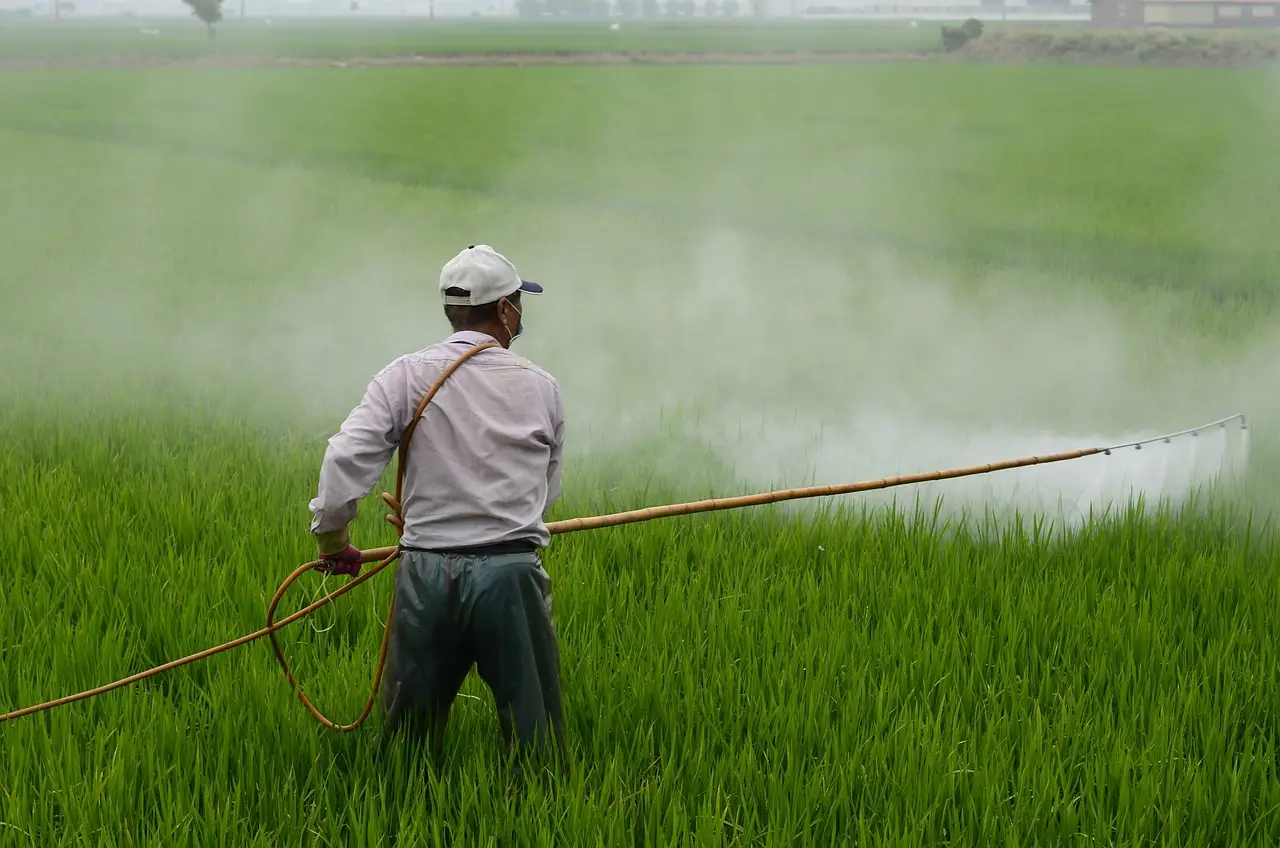
Farm Progress is urging growers to pause before slashing herbicide programs, arguing that cutting weed-control spend without a structured audit of each pass often costs more in yield and resistance than it saves in input bills.
The advice lands as crop budgets tighten and input costs stay elevated, pushing many operations to look at chemistry line items as the fastest place to trim. The publication's message is blunt: herbicide cuts are not a uniform saving. Some passes are insurance you rarely need; others are the load-bearing wall of the weed-control program.
Why the order of cuts matters
Weed scientists have long made the point that the cheapest herbicide program is rarely the lowest-cost one by harvest. Escaped weeds compete directly with the crop for moisture, light and nutrients, and every flush that sets seed adds to the seedbank — a liability that compounds across seasons rather than clearing at year-end.
Herbicide resistance sharpens the math. Repeated use of the same mode of action (the specific biochemical pathway a herbicide disrupts in the plant), especially at cut rates or with skipped passes, is the classic recipe for selecting resistant biotypes. Once resistance establishes, the fix is not a cheaper tank mix. It's a more expensive rotation of chemistry, cultural practices and often mechanical weed control.
What does the ruling change for field decisions?
Nothing regulatory — this is guidance, not a rule. What it changes is the checklist. Instead of asking "what can I cut?" Farm Progress frames the decision around a set of diagnostic questions growers should answer before the sprayer stays parked:
- What weeds am I actually targeting? A program built for a problem species you no longer fight is a cut candidate. A program holding back a resistance-prone weed is not.
- What is the yield cost of a missed or weakened pass? Weeds that escape early control do their worst damage in the crop's critical weed-free period, when competition directly trims final yield.
- Am I cutting the rate or cutting the pass? Reduced rates that let weeds survive and set seed can be more damaging than dropping a pass entirely, because survivors carry resistance traits into next season's seedbank.
- What's my rotation and mode-of-action plan? Cutting one chemistry can quietly collapse a rotation that was managing resistance across seasons.
- Have I scouted, or am I cutting on assumption? Field-level weed maps and last season's escape patterns should drive the decision, not a budget spreadsheet alone.
Each question pushes the same conclusion: the herbicide program is a system, and cutting one component changes what the remaining components have to do.
The cost of getting it wrong
The failure mode is well documented across corn, soybean and wheat country. A trimmed program saves money in the season it's applied. Then escapes set seed, the seedbank builds, and control costs climb for three to five years afterward — roughly the lifespan of many problem weed seeds in the soil.
Resistance makes that slope steeper. A single Palmer amaranth or waterhemp escape, to take a familiar comparison, can contribute enormous numbers of seed to a field, and species like these have already shrugged off multiple mode-of-action groups in parts of the US. Cutting the chemistry that still works on those biotypes is, in effect, spending the last effective tool to save this year's budget.
What should farmers watch next?
Growers weighing cuts should scout before deciding, map where escapes occurred last season, and run the numbers on a per-pass basis rather than trimming the program as a whole. Questions worth putting to your agronomist or retailer now: which passes target weeds you've actually confirmed in the field, which chemistries are still fully effective on your resistant biotypes, and what a skipped pass costs in clean-up the following year.
Watch, too, for post-emergence windows. If you do cut a pre-plant or pre-emergence pass, the follow-up burndown has to land on time and at full rate — a narrow, weather-dependent window that leaves no margin for delays. Before the next spray season, that audit, pass by pass and field by field, is the piece of paperwork most likely to pay for itself.
via Google News: crop protection farming (Source)
More from Daniel Okafor
Show full bio
Market editor covering money, funding and market shifts around production farming and field operations at Arable Wire.
134 articles
Nearby records
- YV 55Weed Escapes Are a Data Source: Read Them Before Next SeasonOctober 10, 2026
- SV 67Agronomists urge growers to balance risk and reward in autumn weed controlOctober 15, 2026
- TL 66Herbicide Carryover Threatens Fall Cover Crops Across U.S. FieldsOctober 10, 2026
- MU 27Weed pressure mounts in southern Minnesota as spray window closesOctober 3, 2026
- WH 88Pest Resistance Forces US Growers Toward Hybrid Crop ProtectionOctober 2, 2026