Claas puts $10M into Omaha research hub for North America
Claas will invest $10 million in an Omaha, Nebraska research center serving as its North American hub for testing machinery under local field conditions.
- Entered
- Plot
- 1.1 ha
- Record
- 447 words
- Walk-through
- 2 min
DrillSprayHarvestCurrent stage
Agronomist’s notes
- Claas is investing $10 million in a research center in Omaha, Nebraska.
- The facility will serve as Claas's hub for North American research.
- Engineers will test and refine machinery under local field conditions.
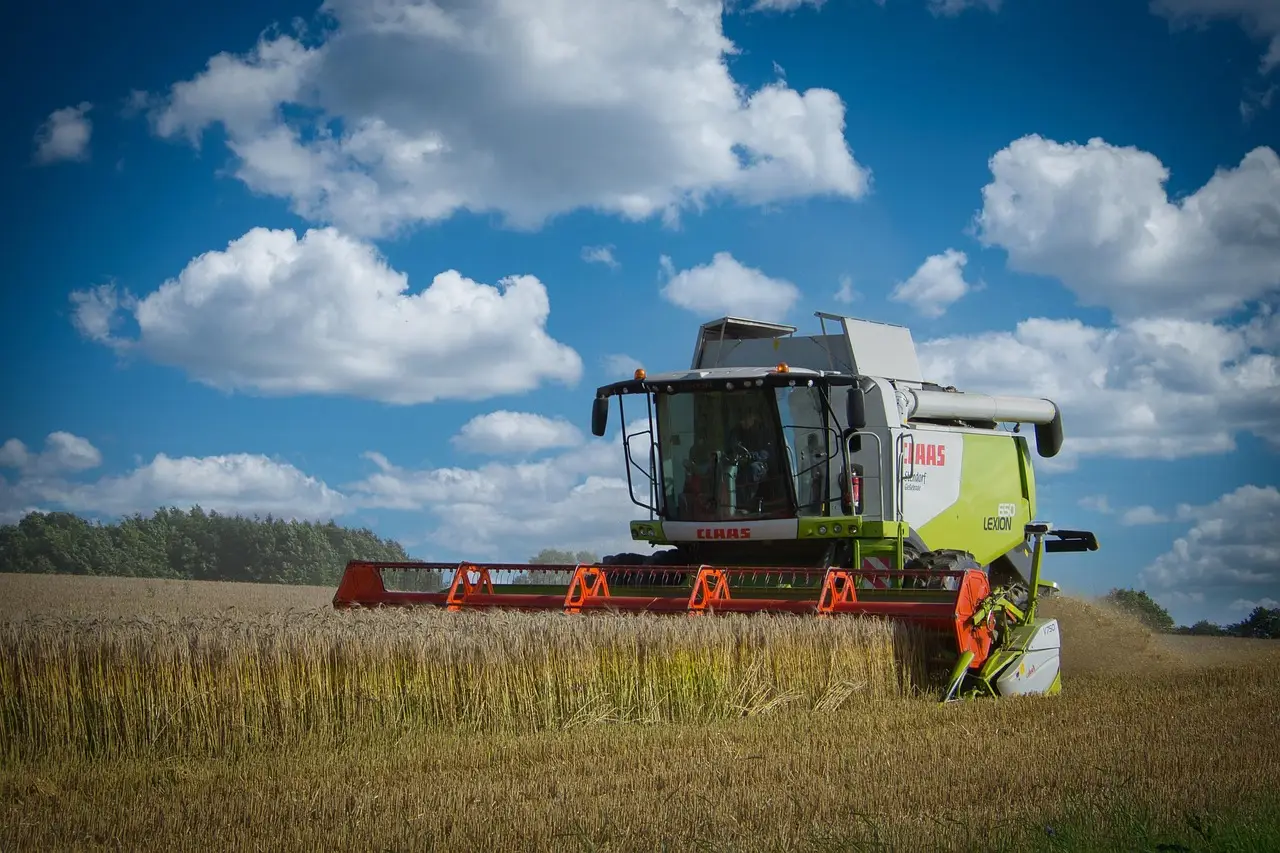
Claas will spend $10 million on a research center in Omaha, Nebraska, that becomes the company's hub for North American machinery development. Engineers at the facility will test and refine harvesters and other equipment under local field conditions rather than validating designs built for European conditions.
The investment signals a structural change in how the German manufacturer develops machines for one of its largest markets. Until now, North American variants of Claas machinery have been adapted largely from platforms engineered and trialled in Europe.
What does the new center change?
The Omaha facility gives Claas engineers a permanent base to run machinery through the conditions that actually decide performance on the Great Plains: crop types, soil textures, humidity and residue loads that differ from German trial grounds. Local testing shortens the feedback loop between a design flaw found in a Nebraska wheat field and the engineering change that fixes it.
For farmers, the practical effect is machinery validated against their own conditions. A combine's threshing and separation settings, for example, behave differently in high-yielding irrigated maize than in the shorter, drier crops common in European trials. Testing on-site means those calibrations arrive from the factory closer to correct.
The move also aligns Claas with a pattern among major equipment makers. Manufacturers increasingly locate development work near their biggest customer bases, because regulation, crop mix and machinery scale in North America diverge from European norms — larger headers, bigger grain tanks and different straw-handling expectations among them.
Why Nebraska?
Omaha sits within reach of the Corn Belt's core, where maize and soybean acreage concentrates and where demand for high-capacity harvesting equipment is strongest. A research hub there puts test fields, dealer networks and customer farms within a short drive of the engineering team.
The $10 million commitment covers a dedicated facility serving as the North American research hub, allowing engineers to test and refine machinery under local conditions, the company said.
What should farmers watch next?
The center's output will not appear overnight. Machinery development cycles typically run several years from field validation to series production, so the first machines engineered with significant Omaha input would be expected later in the decade.
Watch for two early indicators: which machine families Claas assigns to Nebraska testing first, and whether the company announces staffing levels or partnerships with local universities and growers. Both would show how deep the research commitment runs beyond the initial build.
For now, the $10 million figure is the concrete marker. It represents a manufacturer deciding that North American conditions deserve their own engineering attention — a decision buyers of large harvesting equipment will judge in the models that follow.
via Farm Progress (Source)
More from James Calloway
Show full bio
Correspondent covering regulation, policy and their impact on production farming and field operations at Arable Wire.
168 articles
Nearby records
- ZE 21Claas Puts $10 Million Into Nebraska Research CenterOctober 20, 2026
- VE 36CLAAS unveils 'entirely new generation' of tractorsOctober 16, 2026
- CR 88Lindsay commits $90M to overhaul Nebraska pivot factoryOctober 14, 2026
- AM 32Ohio's Country Journal turns its attention to AI on the farmOctober 3, 2026
- PX 89Husker Harvest Days launches centre on precision, conservationOctober 10, 2026