Crop Watch: Potato harvest under way as BYDV aphid alert sounds
Potato harvest gathers pace while agronomists sound a BYDV aphid alert for emerging winter cereals, putting harvest logistics and aphid control on one worklist.
- Entered
- Plot
- 0.7 ha
- Record
- 273 words
- Walk-through
- 1 min
DrillSprayHarvestCurrent stage
Agronomist’s notes
- Potato harvest is progressing across Britain's growing regions this week
- Agronomists have issued a BYDV aphid alert alongside harvest progress reports
- Late-drilled winter cereals face the highest exposure to aphid-vectored BYDV
- The warning appeared in Farmers Weekly's weekly Crop Watch agronomy round-up
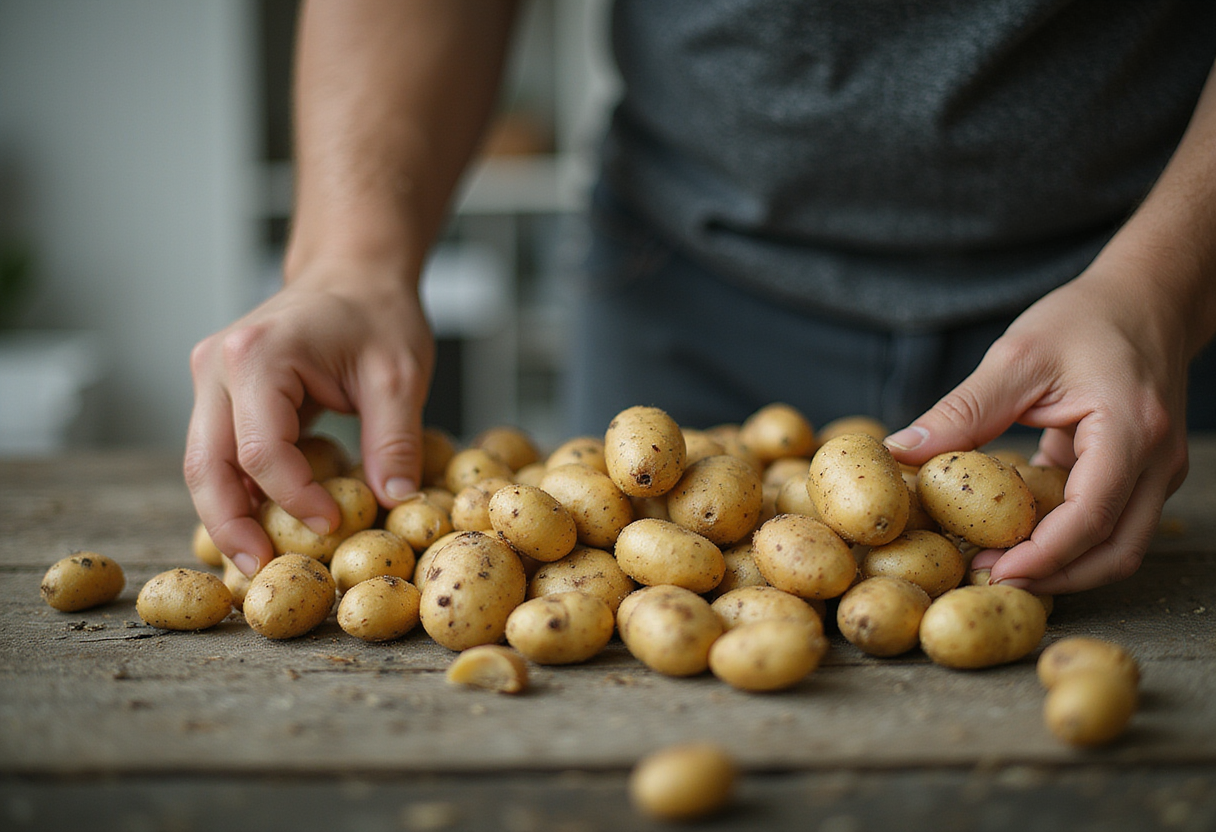
Potato harvest is moving into full swing this week, while agronomists have raised a barley yellow dwarf virus (BYDV) alert as aphid flights pick up — a pairing that puts harvest logistics and next season's crop protection on the same worklist for many growers.
The warning comes from Farmers Weekly's regular Crop Watch agronomy round-up, which tracks crop progress and pest pressure across Britain's growing regions each week.
Why does the BYDV alert matter now?
Aphids that vector BYDV become a serious threat as cereals emerge and temperatures stay mild enough for flight and reproduction. Late-drilled winter barley and wheat are most exposed, because young crops spend longer in the vulnerable seedling stage while aphid populations build.
The practical consequence for field decisions is straightforward: growers should be checking emergence crops and interpreting aphid thresholds now rather than waiting for visible symptoms. BYDV damage appears too late for corrective action once infection shows in the crop, so the control window closes early.
What is happening in the potato crop?
Harvest progress is the other headline. Lifters are moving through crops as growers weigh ground conditions, skin set and store capacity against the risk of leaving tubers in the ground longer.
For potato growers, harvest timing decisions trade off:
- yield gain from leaving crops longer in the ground
- bruising and damage risk from lifting in poor conditions
- store loading and temperature management
- contractual deadlines and quality specifications
What should farmers watch next?
Growers should monitor aphid activity in emerging winter cereals week by week as drilling continues, and check Crop Watch updates for regional pressure reports as the season develops.
via Google News: crop protection farming (Source)
More from Daniel Okafor
Nearby records
- FZ 44Cold snap set to cut BYDV risk on early-drilled Irish cerealsOctober 10, 2026
- VN 67BYDV-tolerant barley cuts losses but does not remove the threatSeptember 30, 2026
- BW 40Wheat Harvest Gains Momentum Across RegionSeptember 29, 2026
- MM 64Wet Season Drives Surge in Manitoba Fungicide SprayingOctober 3, 2026
- XE 80Farmers urged to put safety first as sector holds poorest safety recordSeptember 29, 2026