Ecorobotix adds potato model to ARA sprayer, targets yellow nutsedge
Ecorobotix releases 10 commercial ARA detection models including potatoes from March 2027, with trials showing an average 86% spray input reduction across 11,000 hectares.
- Entered
- Plot
- 1.4 ha
- Record
- 566 words
- Walk-through
- 3 min
DrillSprayHarvestCurrent stage
Agronomist’s notes
- Ecorobotix launches 10 commercial ARA detection models, including potatoes, garlic and leeks, in March 2027.
- Trials across 11,000+ hectares in over 20 countries averaged an 86% reduction in spray inputs versus broadcast spraying.
- A yellow nutsedge detection model, among 55 free test models, opens to ARA users in March 2027.
- More than 1,000 ARA sprayers are in use worldwide, treating over 600,000 hectares cumulatively.
- Carrot model use grew more than 80% as growers face metribuzin restrictions.
Swiss manufacturer Ecorobotix will release 10 new commercial plant-detection models for its ARA precision sprayer in March 2027, covering potatoes, garlic and leeks, with 55 more models — including one for yellow nutsedge — available for free testing. Field trials of the newly commercialised models averaged an 86% reduction in spray inputs compared with broadcast spraying, the company reports.
That figure is an average across the portfolio, not a per-crop result. Ecorobotix tested the commercial-bound models on more than 11,000 hectares (27,180 acres) across over 20 countries during 2026, but has not published separate results for each crop model. The additions take the ARA portfolio past 120 plant-recognition and treatment models.
Why does the yellow nutsedge model matter?
The standout development is a detection algorithm for yellow nutsedge (Cyperus esculentus), an invasive weed that spreads through underground tubers and ranks among the hardest to control. The algorithm identifies the weed among crop plants and targets it with a non-selective herbicide (a product that kills any plant it touches) without damaging the surrounding crop.
"With the development of this new algorithm, we are offering the first precision spraying solution capable of detecting yellow nutsedge and applying a non-selective herbicide directly to the weed without damaging the crop," said Simon Gasser, Agronomist and Crop Algorithm Product Manager at Ecorobotix.
Caveat worth noting: the model opens for free testing in March 2027, and its effectiveness and crop selectivity under different field conditions have yet to be demonstrated in published comparative results.
What did the potato model deliver in the field?
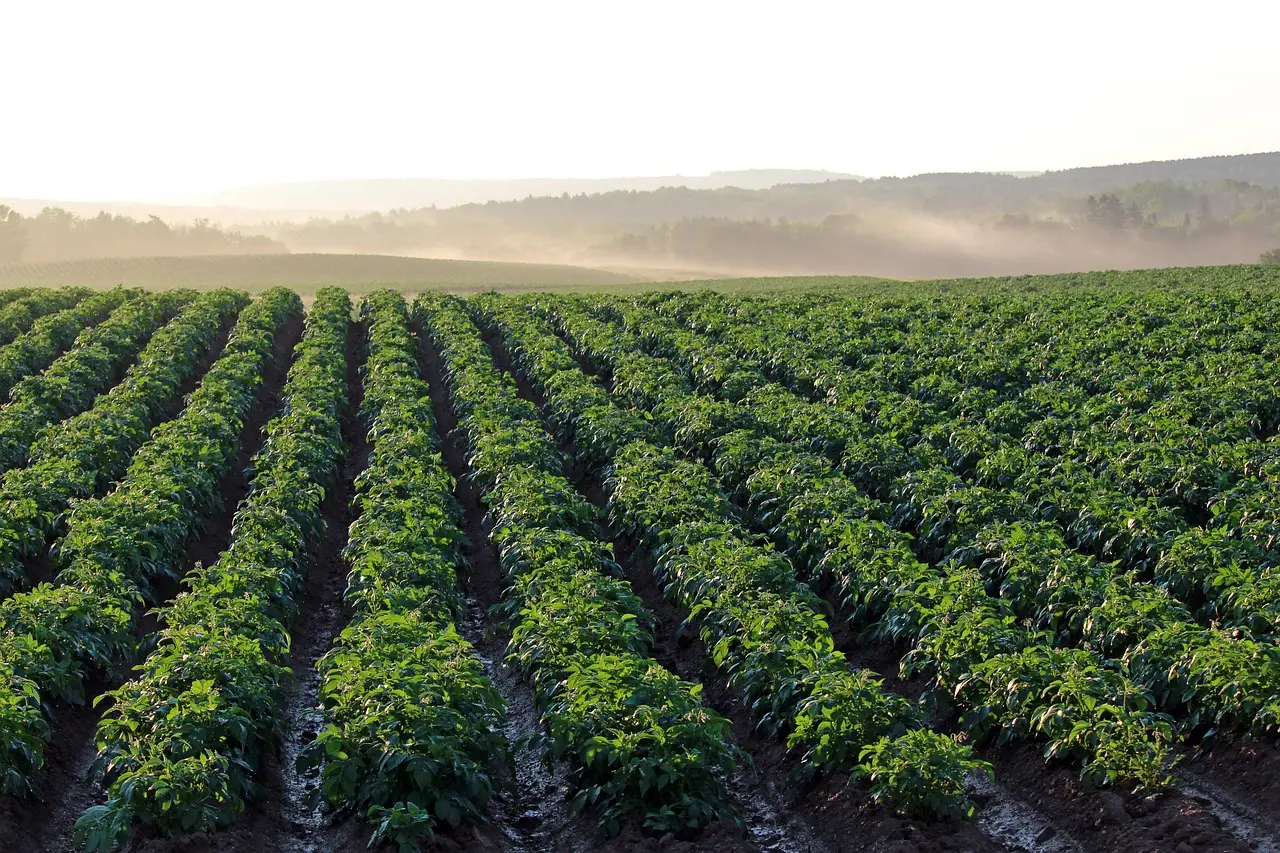
The commercial potato model comes with the most concrete grower evidence in the announcement. During development, Ecorobotix compared weed-control efficacy using ARA against conventional broadcast spraying in Swiss field trials. The company says the system controlled common weeds in potatoes, with assessments taken 20 days after treatment — though detailed comparative efficacy figures were not published.
Belgian potato grower Luc Détroz ran the model across 300 hectares (741 acres). "This clearly saved the crop. In a single pass, we were able to control goosefoot and knotweed, and the field remained weed-free until the end," Détroz said. One pass. Season-long control, by his account.
How big is the installed base?
More than 1,000 ARA sprayers are now operating worldwide, with a cumulative treated area exceeding 600,000 hectares (1.48 million acres). Adoption is accelerating in specific crops: the area treated with Ecorobotix's existing carrot model grew by more than 80%, which the manufacturer links to growers seeking alternatives after restrictions on metribuzin, a broad-spectrum herbicide long used in carrots.
For growers who already own an ARA, the expanding software portfolio is the practical point. New detection models can make an existing machine suitable for additional crops and weed species — no new hardware purchase required.
What should growers watch?
Two things. First, model availability does not equal herbicide permission. Local product authorisations and application restrictions still apply, so a yellow nutsedge model doesn't automatically legalise any given non-selective product on a given crop in a given country. Second, the free-testing route: 55 models, including nutsedge, open to ARA users in March 2027, giving growers a low-risk way to evaluate performance on their own ground before committing. Published per-model efficacy data — still missing for most of the new releases — is the number to watch next.
via Future Farming (Source)
More from Daniel Okafor
Show full bio
Market editor covering money, funding and market shifts around production farming and field operations at Arable Wire.
161 articles
Nearby records
- WR 31Ecorobotix ARA cuts spray volume 84% in tall fescue trialOctober 10, 2026
- RR 83Precision Spraying Grows Up: Choosing Between Factory, Retrofit and RobotsOctober 1, 2026
- KM 68John Deere See & Spray passes 5 million acres in 2025October 10, 2026
- WT 64John Deere See & Spray Covers Five Million Acres in 2025October 3, 2026
- NU 58Océalia takes minority stake in Cyclair weeding robot makerOctober 10, 2026