Illinois harvest nears finish: 86% of corn, 91% of soybeans in
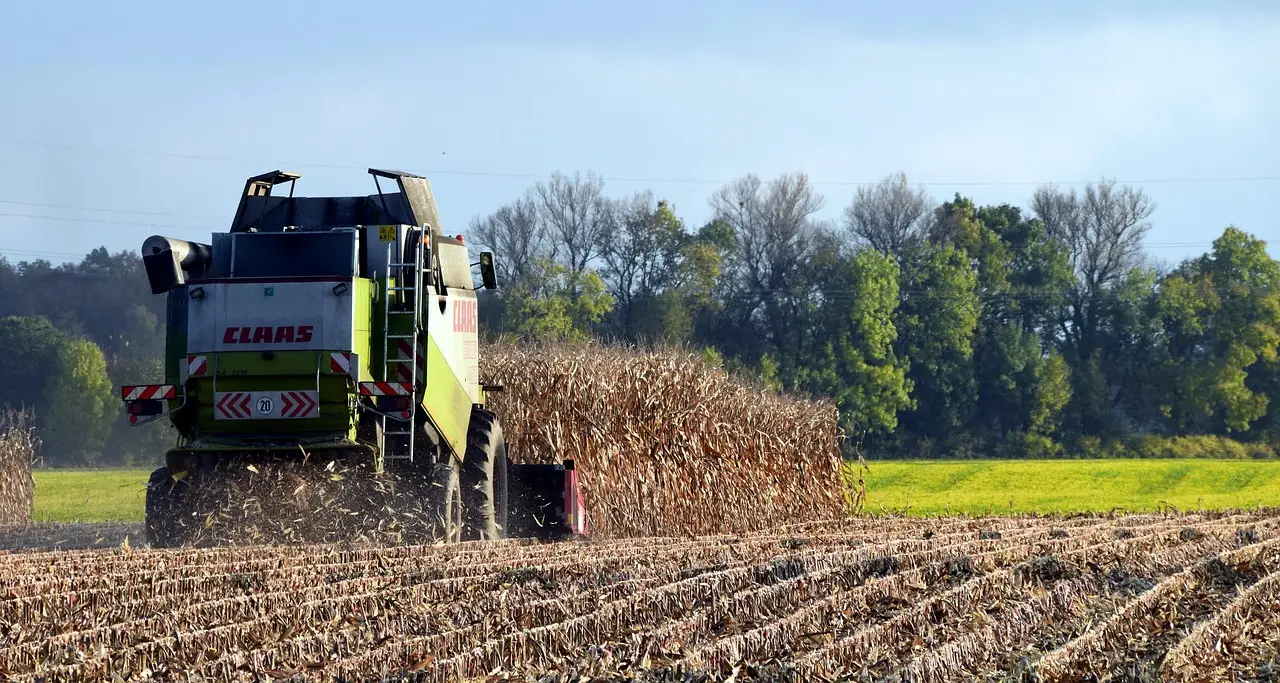
Illinois farmers had harvested 86% of corn and 91% of soybeans by November 1, ahead of five-year averages, but nearly half of soil moisture supplies rated short or very short.
- Entered
- Plot
- 1.3 ha
- Record
- 507 words
- Walk-through
- 3 min
DrillSprayHarvestPlanning window
Agronomist’s notes
- Illinois corn harvest reached 86% and soybeans 91% by November 1, both ahead of five-year averages.
- Winter wheat is 84% planted with 58% of the crop rated good to excellent.
- Statewide average temperature hit 61.3 degrees, nearly 12 degrees above normal.
- Nearly half of topsoil and subsoil moisture supplies were rated short or very short.
- Farmers averaged 6.1 days suitable for fieldwork in the week ending November 1.
Illinois farmers had harvested 86% of the state's corn and 91% of its soybeans as of Sunday, November 1, putting both crops ahead of their five-year averages, according to the latest USDA Crop Progress and Condition Report.
Corn harvest sits three points ahead of the five-year average of 83%. Soybean progress runs six points ahead of the comparable figure of 85%. In practical terms, growers are wrapping up combining roughly a week earlier than usual, compressing the window between harvest and fall tillage or fertilizer applications.
What did the weather allow?
Farmers recorded an average of 6.1 days suitable for fieldwork during the week ending November 1. That is a near-full week in the field, and it explains the pace.
Conditions were unusually warm and dry. The statewide average temperature reached 61.3 degrees, nearly 12 degrees above normal. Precipitation averaged just 0.17 inches, roughly 0.58 inches below normal.
Those numbers cut both ways. Warm, dry weather speeds combining and grain drying, but it is now drawing down soil moisture reserves heading into winter.
How does winter wheat look?
Winter wheat planting is also ahead of schedule. Growers had 84% of the crop planted statewide, against a five-year average of 81%. About 57% of the crop has emerged, slightly ahead of the normal pace of 54%.
The USDA issued its first winter wheat condition ratings of the season, and they lean positive:
- 11% excellent
- 47% good
- 34% fair
- 5% poor
- 3% very poor
That places 58% of the Illinois winter wheat crop in good-to-excellent condition at the start of November — a solid baseline, though fall ratings do not guarantee winter survival.
Why does soil moisture matter now?
The continued dry conditions have contributed to declining soil moisture across portions of the state. Topsoil moisture was rated 17% very short, 32% short, 48% adequate, and 3% surplus. Subsoil readings were nearly identical: 17% very short, 32% short, 49% adequate, and 2% surplus.
In short, nearly half of Illinois topsoil and subsoil moisture supplies were rated short or very short as November began. Subsoil moisture (the water held deeper in the soil profile, which crops tap during summer dry spells) does not recharge quickly; it generally requires sustained winter and spring precipitation.
For growers planning 2027 input decisions, that deficit is the number to watch. Dry subsoil entering spring raises the stakes on planting-time moisture and can influence hybrid and variety choices, seeding depth, and residual herbicide activation.
What happens next?
Despite the dry conditions, Illinois farmers continue to make strong progress wrapping up the 2026 harvest, with corn, soybean, and winter wheat fieldwork all running ahead of their respective five-year averages.
The next USDA Crop Progress reports will show the final harvest tallies and whether autumn rains arrive to begin rebuilding soil moisture before freeze-up. Growers should watch the weekly condition ratings for winter wheat as well, since crop that enters dormancy in good shape tolerates winterkill far better than crop already stressed by drought.
via Google News: harvest report wheat (Source)
More from James Calloway
Show full bio
Correspondent covering regulation, policy and their impact on production farming and field operations at Arable Wire.
176 articles
Nearby records
- UG 50Rain stalls Midwest corn and soybean harvest as cooler air settles over US farm beltOctober 3, 2026
- NR 66Plains Heat Builds While Northwest Rains Delay PlantingOctober 3, 2026
- VG 39Michigan corn and soybean crops trail five-year paceOctober 3, 2026
- SS 85Ohio Wheat Harvest Opens as Rains Rebuild Soil MoistureOctober 3, 2026
- AD 55Southern Illinois farmers finish planting as timely rain arrivesOctober 17, 2026