Illinois State Police Issue Harvest Season Farm Equipment Warning
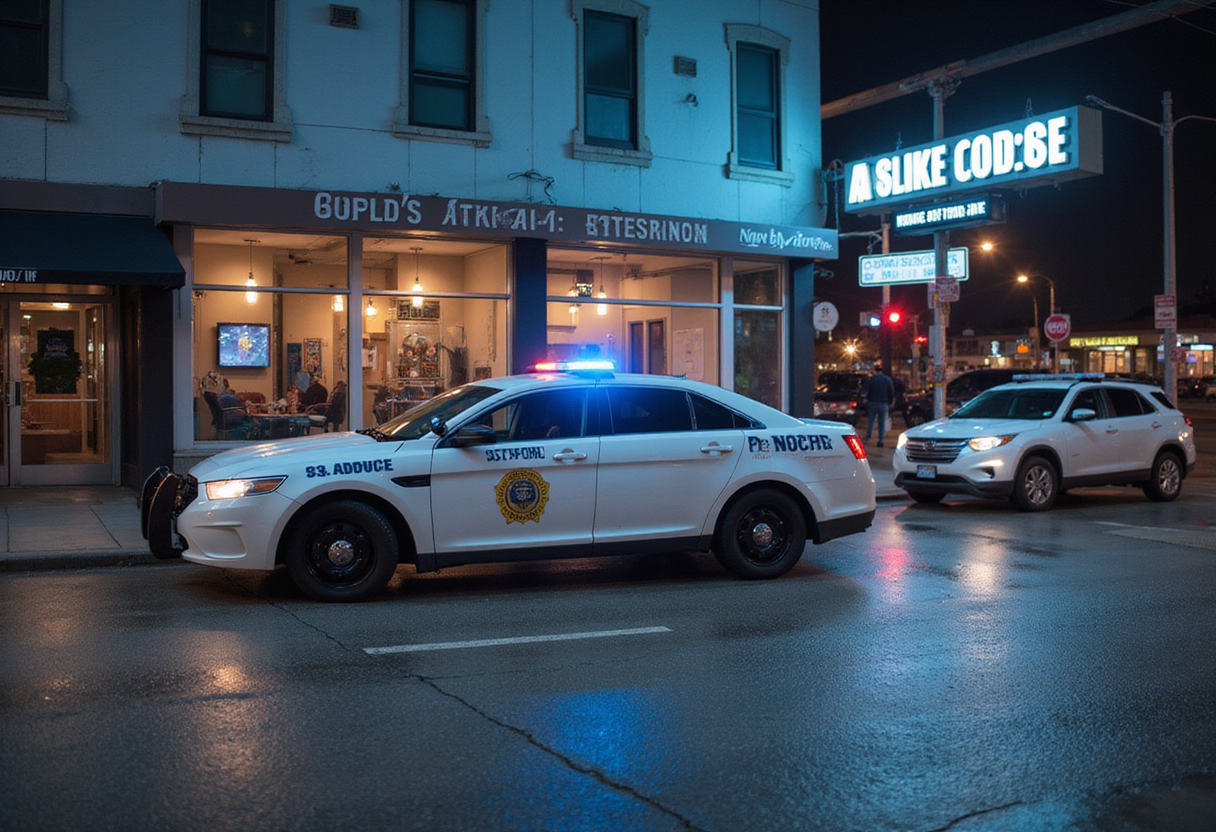
Illinois State Police are urging drivers to slow down and pass carefully around combines and grain carts as harvest traffic builds on rural roads across the state this season.
- Entered
- Plot
- 1.8 ha
- Record
- 719 words
- Walk-through
- 4 min
DrillSprayHarvestCurrent stage
Agronomist’s notes
- Illinois State Police issued a public advisory urging caution around farm equipment during harvest.
- Motorists are told to expect slow-moving, wide machinery and to pass only when safe.
- Farm equipment may swing wide before turning into field entrances, a common collision factor.
Illinois State Police have issued an explicit public appeal for caution around farm equipment as harvest gets under way, asking drivers across the state's rural road network to expect slow-moving machinery and adjust their driving accordingly.
The advisory lands at the point in the calendar when combines, grain carts, tractors and haulage trucks begin moving between fields, farms and grain elevators in concentrated numbers. That concentration is precisely what changes the risk profile on rural roads. A combine or a loaded grain cart does not behave like a car. It is wide, it is slow, and it frequently turns into field entrances without much warning.
For farmers, the message carries a dual weight. It is aimed first at the motoring public, but it also lands on their own operations. Every collision between a vehicle and a piece of farm machinery carries consequences well beyond the immediate damage: lost harvest hours at the one moment in the season when time is least recoverable, insurance exposure, and in the worst cases, injury or death.
What the warning asks of drivers
The core of the Illinois State Police appeal is simple: slow down, be patient, and pass only when it is genuinely safe. Harvest traffic means machinery may be operating on roads at any hour, moving at speeds far below the normal flow of traffic. Drivers who round a rural curve at highway speed can come up on a combine with very little time to react.
State police urge motorists to watch for turn signals — and to recognise that farm equipment signalling a turn may need to swing wide, sometimes even briefly to the right before turning left, to line up with a field entrance or gateway. That manoeuvre routinely catches following drivers out, and it is a recurring factor in rural road collisions during harvest.
The appeal also covers the wider harvest traffic pattern. Alongside the machines themselves, harvest season puts a sharp seasonal spike in grain truck movements on county roads and rural highways. Drivers should expect that traffic, expect heavy loads, and expect vehicles entering and leaving fields and farmyards at points that are not formal junctions.
Why this matters in the cab, not just the car
Farmers reading this advisory should treat it as a prompt to audit their own road-going setup for the season. The state police message cuts both ways: caution around farm equipment is a shared responsibility, and operators who make themselves visible and predictable reduce the odds of becoming a statistic.
That means checking that all lights, reflectors and slow-moving vehicle emblems are clean, functional and correctly mounted before any road move. It means using escort vehicles where the load or machine width warrants them and where state rules require them. It means signalling turns early and clearly, especially the wide, awkward turns into field entrances that following drivers misread.
Timing moves matters too. Where the working schedule allows, shifting road moves away from peak commuter hours and school run windows on rural routes reduces exposure to the heaviest traffic mixing with the slowest vehicles.
The seasonal reality
Harvest compresses an entire year's revenue into a window measured in weeks. Machinery hours spike, truck movements spike, and fatigue among operators rises at exactly the moment road movements multiply. The Illinois State Police warning reflects that overlap: more machines, more trucks, more tired drivers, on narrow rural roads built for a fraction of the traffic they now carry.
The advisory is also a reminder that rural road safety around farm equipment is not a niche concern. Collisions involving agricultural machinery tend to be severe when they occur, because of the mass and width disparity between a passenger vehicle and a combine, tractor or grain cart. Speed differential does the damage. A car travelling at 55 mph closing on machinery moving at 15 to 20 mph gives the driver seconds, not minutes, to respond.
What to watch
Expect continued enforcement and public safety messaging from Illinois State Police throughout the harvest window, and similar advisories from county sheriffs and state agriculture agencies as equipment movements peak. Farmers should confirm their machinery lighting and signage meets Illinois requirements before the busiest road-move weeks, and monitor local advisories for any route-specific warnings, particularly around grain elevator approaches where truck traffic converges.
via Google News: agricultural machinery (Source)
More from Olivia Hart
Nearby records
- BJ 19Harvest Season Underway: Drivers Urged to Use Caution Around Farm EquipmentOctober 2, 2026
- GY 98ALFA Urges Drivers to Use Caution Around Farm Equipment This FallSeptember 30, 2026
- SU 29Harvest Season Heightens Farm Machinery Risk, KHP WarnsSeptember 29, 2026
- SX 96Two critically injured in Ionia County crash with farm equipmentSeptember 30, 2026
- XF 55114 crashes and counting as Michigan harvest gets underwaySeptember 30, 2026