John Deere's Precision Ag Playbook Targets Farms of Every Size
John Deere says its precision ag strategy equips farms of every size with digital tools, keeping entry points open from small mixed farms to large estates.
- Entered
- Plot
- 1.1 ha
- Record
- 436 words
- Walk-through
- 2 min
DrillSprayHarvestCurrent stage
Agronomist’s notes
- John Deere has outlined a precision ag strategy aimed at equipping farms of all sizes with digital farming tools
- The approach was detailed in a report published by agricultural technology platform AgNavigator
- The strategy covers packaging, pricing and support for guidance, connectivity and data management across farm sizes
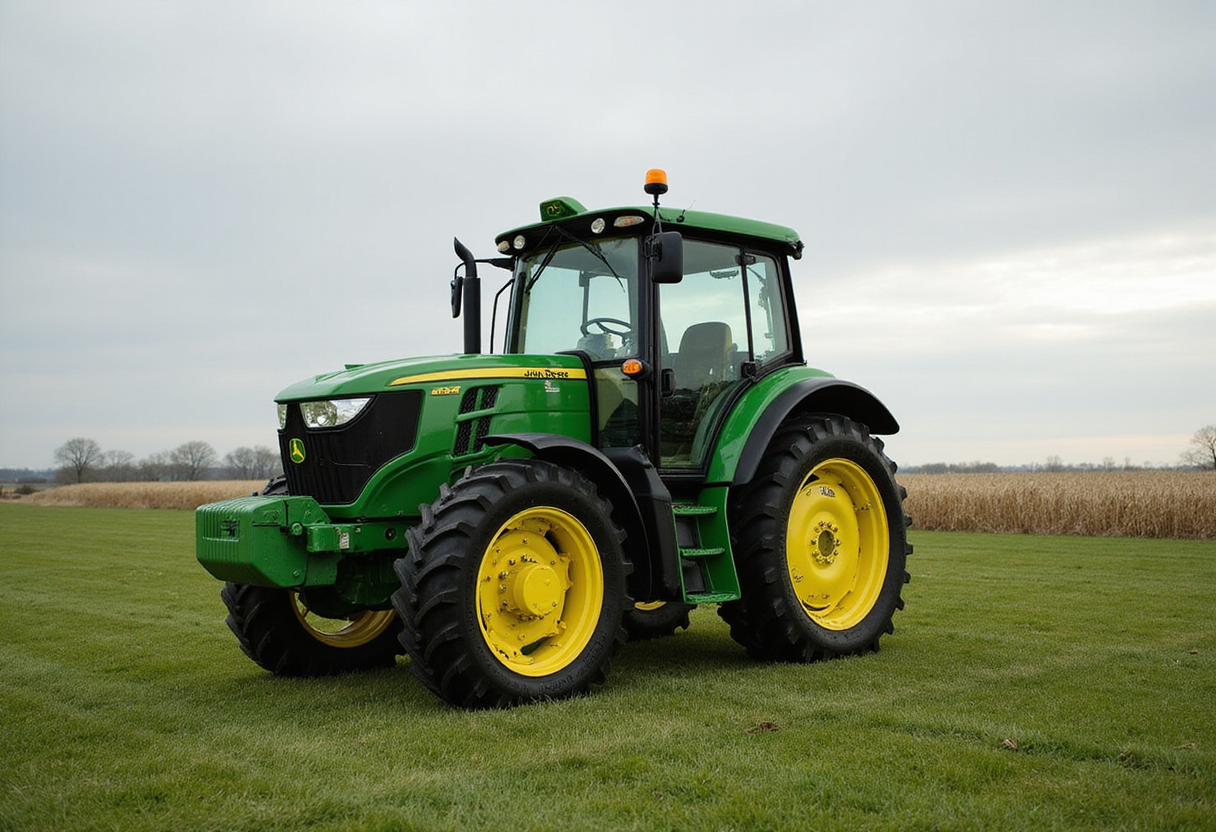
John Deere is building its precision agriculture strategy around a simple premise: digital farming tools must serve farms of every size, not just the largest operations that can absorb the heaviest technology investments.
The equipment maker has laid out how it approaches this segmentation in a briefing published by AgNavigator, the agricultural technology news platform. The company frames its precision ag portfolio as a ladder. Each rung gives a different class of farm a workable entry point into guidance, connectivity, data management and machine automation.
That framing matters for a practical reason. Adoption of digital tools has historically split the market. Large arable enterprises in North America and Western Europe bought into guidance and telematics early because the economics over thousands of hectares justified the capital cost. Smaller operations often stayed on the sidelines, priced out or unconvinced the data would change a field decision.
John Deere's answer, as described in the AgNavigator report, is to equip farms across that whole spectrum rather than design for the top end and let the rest follow. The strategy covers how the OEM packages its digital offerings, how it prices access to them, and how it supports growers as they move from basic guidance toward fully connected, data-driven operations.
For growers evaluating their next machinery or software purchase, the significance is straightforward. A manufacturer that commits to serving all farm sizes tends to keep entry-level pathways open. That means a mixed 200-hectare farm and a 10,000-hectare estate can both find a route into the same ecosystem, with room to add capability season by season instead of making one large leap.
The strategy also reflects where the broader market is heading. Dealers, agronomists and contractors increasingly expect machinery fleets to share data across brands and platforms. An OEM that scales its digital tools across its customer base builds a larger installed base of connected machines, which in turn strengthens its position in aftermarket services, subscription offerings and future autonomy features.
AgNavigator's account positions John Deere as an OEM thinking explicitly about the economics of adoption for smaller growers, not only the technical ceiling for the largest ones. That is a distinction farmers should notice when comparing precision ag stacks. The question is no longer just what a system can do at full specification, but what it costs and delivers on the first rung of the ladder.
Farmers weighing precision ag investments should watch how John Deere translates this stated strategy into concrete pricing, bundled subscriptions and dealer support programmes in the coming seasons, and how rivals respond with their own segmented digital offerings.
via Google News: precision agriculture equipment (Source)
More from Olivia Hart
Nearby records
- DZ 86Large farms lead precision agriculture adoption, report findsSeptember 30, 2026
- UU 63John Deere Bets on AI to Drive 'Decision Agriculture' ShiftOctober 1, 2026
- LT 27Ranchers Turn to AI to Fix Meat Processing LogisticsSeptember 29, 2026
- AM 32Ohio's Country Journal turns its attention to AI on the farmOctober 3, 2026
- PD 77John Deere Recalls 140 to Waterloo as 8R and 9R Demand Ticks UpOctober 3, 2026