Machinery costs up 47% in five years, Teagasc tells Donegal tillage farmers
Teagasc's Shay Phelan says machinery charges are up 47% in five years, backs combine and trailer sharing, and urges Donegal growers to price straw above the €22 measure floor.
- Entered
- Record
- 665 words
- Walk-through
- 3 min
DrillSprayHarvestPlanning window
Agronomist’s notes
- Machinery charges against tillage farmers rose 47% over the past five years, Teagasc's Shay Phelan said on November 23.
- The Straw Incorporation Measure sets a base price of roughly €22 per 4x4 straw bale.
- Teagasc published a machinery sharing template for the tillage sector a decade ago, available on its website.
- Spring and winter barley are Donegal's most popular cereals but deliver the lowest gross margin, per Phelan.
- Phelan named winter oilseed rape and baled forage maize as crops for sustainable margins.
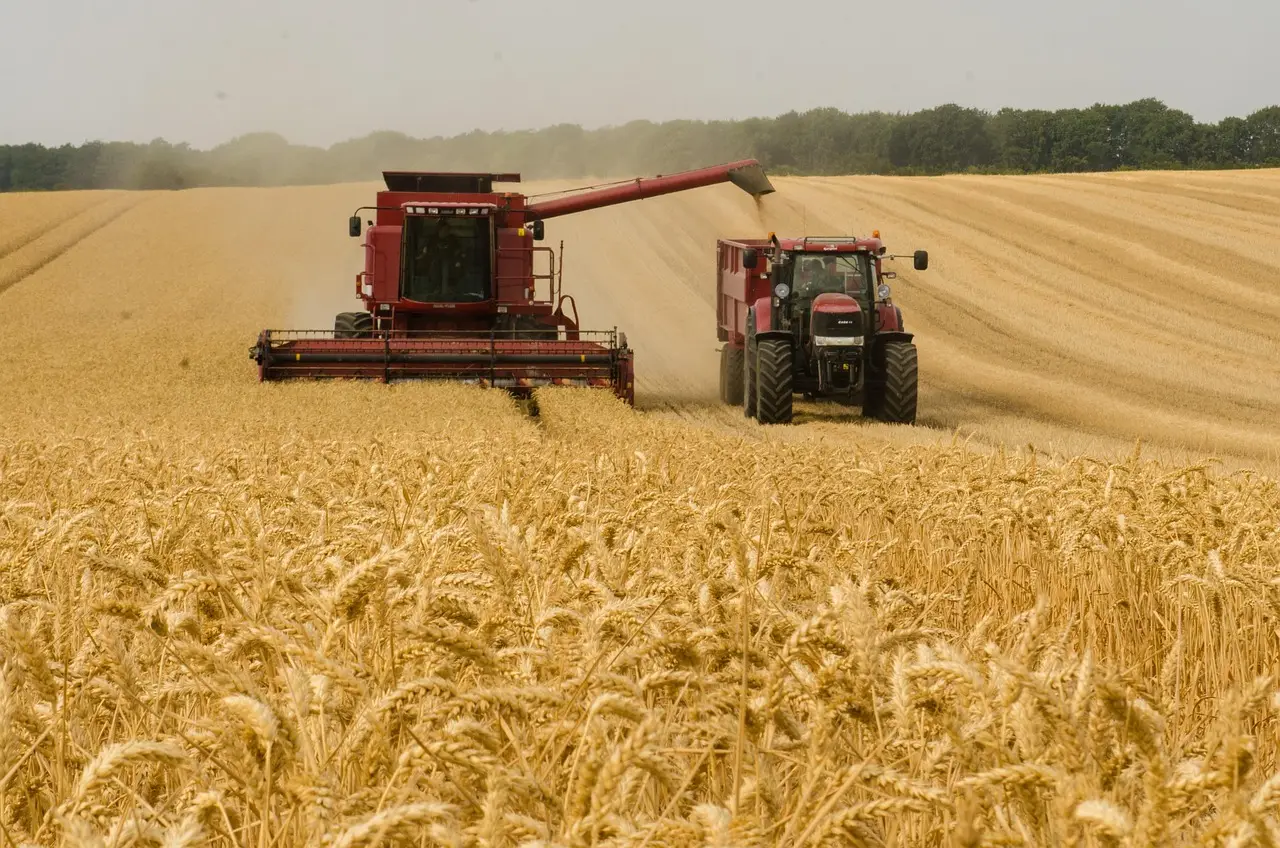
Machinery charges against tillage farmers have risen by 47% over the past five years, according to Teagasc tillage specialist Shay Phelan, who used a meeting in north Co. Donegal on Monday, November 23, to argue that machinery sharing is now a serious commercial option rather than a talking point.
Fertiliser and fuel prices grab the headlines when input costs come up. Phelan's point was that the machinery line on the accounts has quietly grown at a pace growers can't ignore. "Given this unfolding scenario, the potential for machinery sharing amongst tillage farmers is very real," he said.
His suggestions form the core of a discussion aimed at maximising crop margins in 2027, and they ask growers to review every part of the business: the land base, cropping options and, in Phelan's view the most important of all, their own skill base.
What does sharing actually look like?
The most obvious route, in Phelan's words, is "the shared use of a combine". A single harvester, split across two or more holdings, attacks the single biggest fixed cost in most tillage operations.
Contractors can be drawn in too. "It is also feasible to bring contractors into a sharing arrangement; for example, through the use of trailers on farm while not being used for contracting purposes," Phelan explained.
Nobody has to invent the paperwork from scratch. Teagasc developed a machinery sharing template for the tillage sector a decade ago, and copies are available on the organisation's website. The mechanism exists. The barrier, as ever, is trust between neighbours, not the template.
Straw is now priced, so price it properly
Maximising straw value was the second priority at the Donegal meeting. The Straw Incorporation Measure has effectively put a floor under the market, establishing a base price of around €22 per 4x4 bale.
Donegal growers can beat that figure, Phelan argued, because they sell into a market competing against straw trucked up from the south of the country. Local supply into a freight-constrained market is a margin opportunity. Sitting on it would be a choice, not a constraint.
Barley is popular and poorly paid
Crop choice came in for the bluntest assessment. Spring and winter barley remain the most popular cereals in the county, Phelan noted, yet "they continue to deliver the lowest gross margin".
His verdict on where the sector heads: "The future for tillage is centred on the growing of crops such as winter oilseed rape, which will deliver sustainable margins."
On alternatives, he flagged forage maize as something Donegal tillage farmers should actively consider, again with a value-adding twist. "But here again, it's a case of adding value. And in the case of maize, the option here is that of baling it," he said. The bale, not the bulk load, is what turns a commodity into a product you can price.
The objective, Phelan summarised, is for tillage farmers to "become price makers: not price takers".
The skill base is the asset
Diversifying land use is on the table for some growers, but Phelan believes "the greatest resource they have to offer agriculture as a whole is their skill base". Tillage farmers, he said, "have a unique ability to grow high quality crops, which is a service that could be put to very profitable use across agriculture as a whole".
That's a wider market for the same competence: other farmers who need crops grown well and don't have the machinery or the know-how.
The meeting's speaker panel also included Teagasc's Martin McCullough and Colm McCarron, alongside Donald Logue, an organic tillage farmer from Muff.
For growers weighing all this, the practical first steps are straightforward: download the Teagasc machinery sharing template, price straw against the €22 incorporation floor before chopping, and run the gross margins on winter oilseed rape beside barley for 2027. Phelan's argument, stripped to its bones, is that the tools already exist. The decision is whether to use them.
via cdn.agriland.ie (Original)
More from Priya Raman
Show full bio
Senior reporter covering technology and product news in production farming and field operations at Arable Wire.
228 articles
Nearby records
- Kildare father and son build winter feed business on tillage farmOctober 1, 2026
- Poor Yields, Not Prices, Drive Tight Tillage Margins: TeagascSeptember 30, 2026
- Stanford finds reduced tillage helps soils and yieldsOctober 14, 2026
- Topsoil loss costs $6,682.95 per acre — NDSU tallies wind's billNovember 4, 2026
- Young Farmer Builds Operation By Upgrading Old EquipmentOctober 10, 2026