Milo yields reach 65 bushels an acre as corn harvest stalls
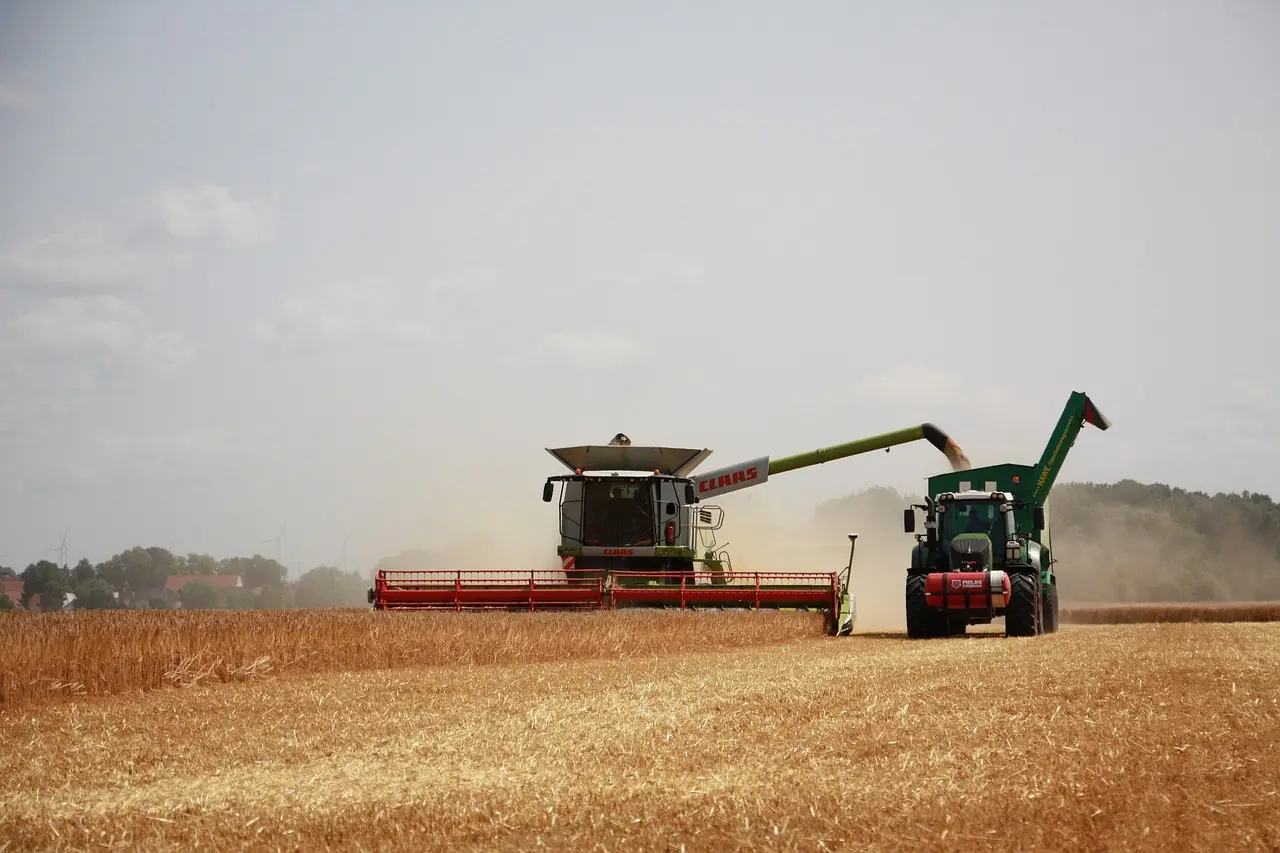
Zimmerman Farms is averaging 45-65 bushels per acre of dryland milo after five interrupted harvest days, muddy corn fields and a run of machinery repairs.
- Entered
- Plot
- 2.2 ha
- Record
- 873 words
- Walk-through
- 4 min
DrillSprayHarvestPlanning window
Agronomist’s notes
- Zimmerman Farms managed five harvest days before rain interrupted fieldwork again.
- Dryland milo yields averaged 45-65 bushels per acre in fields the family could enter.
- Muddy ground forced a pause in corn harvesting and a switch to milo.
- Repairs included a tractor alternator replacement and feeder-house and unloading-auger chain faults.
- Published 17 November 2026, the update says harvesting may continue past Thanksgiving.
By Priya Raman
Zimmerman Farms is averaging 45 to 65 bushels per acre of dryland milo after managing five harvest days between rain showers.
The family’s High Plains Journal update, published 17 November 2026, records an intermittent return to the field rather than a continuous harvesting run. They put it plainly: “We were finally able to get back to harvesting for five days before the rain found us again.”
Corn had to wait. The ground remained too muddy for the operation’s equipment, so the family stopped work in those fields rather than push on.
The practical gain came from changing the job, not pushing harder. They moved across town, changed the concaves in the combines and began harvesting milo.
That is a limited but real response to a weather problem: use fields that can support harvest, and change the combine set-up for the crop that is ready.
It also explains why the milo figure carries more weight than a simple day count. The family found harvestable ground, committed machine capacity and recorded yields on it.
Milo provides the only firm yield figure
The family describes its dryland milo yields as fairly good, with an average of 45 to 65 bushels per acre in the fields it managed to enter.
The range came with conditions attached: mud, rising moisture and repeated early stops. The update gives no harvest moisture readings, variety names, test weights or comparison with earlier years.
Those omissions make the figure an operational snapshot, not a benchmark for the crop or the region. It cannot establish whether 65 bushels an acre came from a particular agronomic success.
What it does show is what the family cut when conditions allowed. For a farmer deciding whether to wait or switch crops, the hard rule here is simple: do not send equipment into ground that cannot carry it.
Milo kept the harvest moving when corn could not. That is not a recommendation to abandon corn, nor proof that milo will out-turn it in a better year.
What does this change for farmers?
It changes the order of decisions. Field access comes before crop ambition; working machinery comes before both.
The Zimmerman account is useful precisely because it records all three constraints in one season: standing crops, saturated ground and equipment faults. None cancels the others.
Farmers should also resist turning one family’s 45-65 bushel range into a promise. Read it as evidence of what the operation harvested, not what every dryland milo field will deliver.
The next test is operational. Can the family return to the corn fields without creating more problems than it solves?
Repairs turn downtime into maintenance
The pause produced more than weather delays. Wesson’s tractor needed an alternator replacement. Wyatt’s combine lost its feeder house chain, matching the failure Wailynn had encountered a couple of weeks earlier.
On Wailynn’s machine, the unloading auger chain came loose and needed tightening. In all, the update lists one electrical replacement and three chain-related faults across the farm’s equipment.
The update does not identify a common cause for those failures. Nor does it supply repair costs or lost hours, so the financial damage remains unknown.
The sequence matters for planning, however. A chain failure on one combine is a disruption; repeated feeder-house faults on two machines deserve a proper check.
The firm statement is narrower and more useful: the family completed the repairs and kept its equipment ready for the next field window.
A first pheasant, then another weather watch
Downtime also gave Wesson time for the youth pheasant hunting season. He took his first bird and had good reason to be proud. The combines managed a less tidy record.
By the time the family posted its update, the sun was shining and the wind was howling. They hoped it would not be too long before they could return to the fields.
Sun and wind, however, do not dry saturated ground by themselves. The family’s plan remained to watch the weather, work the good days and wait for another opening.
“By the looks of things, we may be harvesting well past Thanksgiving this year,” the family wrote. That places the remaining harvest beyond the holiday rather than on a firm calendar.
No restart date, field acreage or completion target is available. For Zimmerman Farms, the next decisions are when the corn ground will take traffic, whether the repaired combines stay in service and how long the milo harvest can run.
The practical takeaway is modest. Farmers facing the same delay should track standing crop, field trafficability and machine reliability separately, because the Zimmerman account shows all three intervening in one season.
The only measured output so far is the 45-65 bushel per acre milo range from fields that became workable. The wider harvest remains conditional on drier ground, functioning machinery and another usable weather window.
The family closed with Thanksgiving, Christmas and New Year greetings, and thanks for another harvest season.
Zimmerman Farms may keep harvesting past Thanksgiving, so the next watch points are a firm return to the corn fields, confirmation that the repaired combines stay in service and a dry spell long enough to cut the remaining crop.
via s.w.org (Original)
More from Priya Raman
Show full bio
Senior reporter covering technology and product news in production farming and field operations at Arable Wire.
222 articles
Nearby records
- TW 17'Spoon-Feeding' Fertility Drives Record Corn Yields in PennsylvaniaSeptember 30, 2026
- HS 3010 to 130 bu/ac: Kansas Corn Harvest Yields All Over the BoardNovember 4, 2026
- JJ 37Soybeans Done, Corn at 200–250 bu/ac: Iowa Harvest RollsOctober 19, 2026
- PR 90Drier Weather Lets Iowa Farmers Move Harvest ForwardOctober 13, 2026
- TV 30Harvest Progress Climbed Sharply Last Week, farmnewsNOW ReportsOctober 10, 2026