Poultry housing orders start in Northern Ireland and south of Ireland
Mandatory poultry housing starts in Northern Ireland on November 19 and in the south of Ireland on November 23 after highly pathogenic avian influenza was confirmed at a premises in County Tyrone.
- Entered
- Plot
- 1.7 ha
- Record
- 668 words
- Walk-through
- 3 min
DrillSprayHarvestPlanning window
Agronomist’s notes
- Northern Ireland’s mandatory poultry and captive-bird housing measures start Thursday, November 19.
- The compulsory housing order for the south of Ireland starts Monday, November 23.
- Highly pathogenic avian influenza was confirmed at a commercial poultry premises in County Tyrone.
- All poultry and kept-bird owners must comply, regardless of flock size.
- DAFM’s out-of-hours National Disease Emergency Hotline is 01 492 8026.
Mandatory housing rules begin on two dates
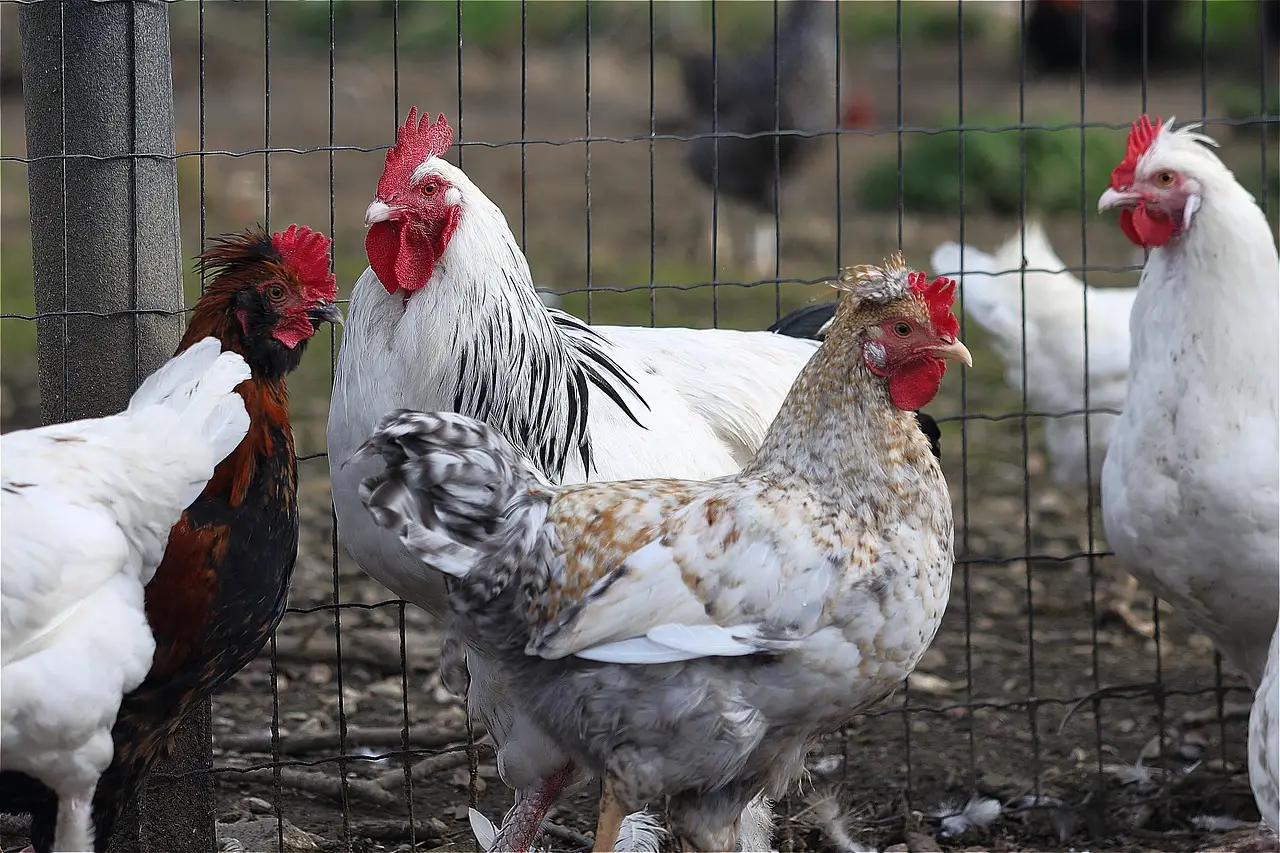
Mandatory housing for poultry and captive birds starts in Northern Ireland on Thursday, November 19, and in the south of Ireland on Monday, November 23. The deadlines follow confirmation of highly pathogenic avian influenza at a commercial poultry premises in County Tyrone.
On Wednesday, November 18, Martin Heydon, Minister for Agriculture, Food and the Marine, announced the compulsory order for the south of Ireland. He cited recent poor weather, a drop in temperatures and the evolving epidemiological situation on the island. He said the combination was increasing the risk of avian influenza to poultry.
The order makes housing a required operating arrangement across both jurisdictions, rather than a voluntary strengthening of existing controls. Every poultry or kept-bird owner must apply the deadline for their area. The requirement covers all flock sizes, so a small kept flock receives no exemption.
What must change on the housing deadline?
From Monday, November 23, Heydon said: “From Monday (November 23) poultry and captive birds must be housed or confined in such a manner that they do not have access to other poultry, captive birds, or wild birds.”
That wording requires more than simply moving birds under a roof. The housing or confinement must prevent contact with other poultry, captive birds and wild birds. Owners must therefore check whether their existing arrangements meet all three restrictions before the relevant start date.
For Northern Ireland, the deadline arrives four days earlier, on Thursday, November 19. Operators cannot rely on an existing setup if it permits the contact specified in the order. The rules provide no separate threshold for commercial poultry or birds kept in smaller flocks.
Each owner must apply the measure to every bird under their care. Keeping some birds outside while housing others would not remove the contact risk the order seeks to control. This makes a flock-by-flock housing check the immediate field task for both jurisdictions.
Why has the minister ordered housing?
The County Tyrone case supplied the immediate trigger for Northern Ireland’s mandatory measures. Heydon’s stated rationale for the south of Ireland order was broader, drawing on recent poor weather, lower temperatures and the changing disease picture across the island.
He described reducing contact with potentially infected wild birds as a critical protective measure because it is one of the main routes by which bird flu spreads. He also framed the intervention as a timely action to protect the poultry industry and farmers’ livelihoods. The practical change is a mandatory shift in bird housing at both deadlines.
The order does not remove the wider biosecurity duty. Heydon said: “Biosecurity remains the single most effective way to prevent the virus spreading from wild birds into poultry, or between poultry flocks.” Housing addresses one exposure route; biosecurity remains the responsibility of every poultry and kept-bird owner.
What should owners do and watch next?
DAFM has urged poultry and captive-bird owners to remain vigilant for clinical signs of avian influenza. Owners should report any clinical signs to a Regional Veterinary Office. Outside business hours, they should contact the National Disease Emergency Hotline on 01 492 8026.
The announcement therefore links compulsory housing with continued disease reporting. The minister said all owners, regardless of flock size, must take strict precautions and maintain the highest standards of biosecurity. That duty covers small holdings as well as commercial poultry businesses.
Housing and disease monitoring should therefore run together from the applicable start date, rather than treating either control as complete protection against infection. Owners should review the housing arrangements for every bird they keep and keep the veterinary reporting route available when clinical signs appear.
The announcement set the two start dates but stated no end date, review date or conditions for lifting the requirements. Farmers should treat housing as the minimum standard from the applicable date and watch for further official guidance as the island’s epidemiological situation develops. Any extension, amendment or lifting notice would change the operating instructions directly.
via cdn.agriland.ie (Original)
More from Tom Whitfield
Show full bio
Staff writer covering regulation, policy and their impact on production farming and field operations at Arable Wire.
199 articles
Nearby records
- JB 16Bluetongue cases in Ireland rise to 39 as Wexford leads outbreakOctober 20, 2026
- PU 81AFBI forecasts high liver fluke risk for NI livestock this winterOctober 21, 2026
- VH 98Slurry closed period starts October 8 — two days left to spreadOctober 10, 2026
- NK 85Status Yellow wind warning for Donegal, Galway and MayoOctober 12, 2026
- AT 12Cork and Kerry under yellow wind warning from 1pm TuesdayOctober 10, 2026