September Rains Trigger Corn and Soybean Quality Concerns in Iowa
September's heavy rains damaged corn and soybean quality across parts of Iowa, pushing growers to scout, test and adjust harvest, drying and marketing plans before the crop moves.
- Entered
- Plot
- 0.8 ha
- Record
- 328 words
- Walk-through
- 2 min
DrillSprayHarvestCurrent stage
Agronomist’s notes
- September rainfall triggered quality concerns in Iowa corn and soybeans
- Damage assessment before harvest determines drying, storage and marketing decisions
- Quality-damaged grain carries higher storage spoilage risk
- Documentation of damage supports insurance and buyer discussions
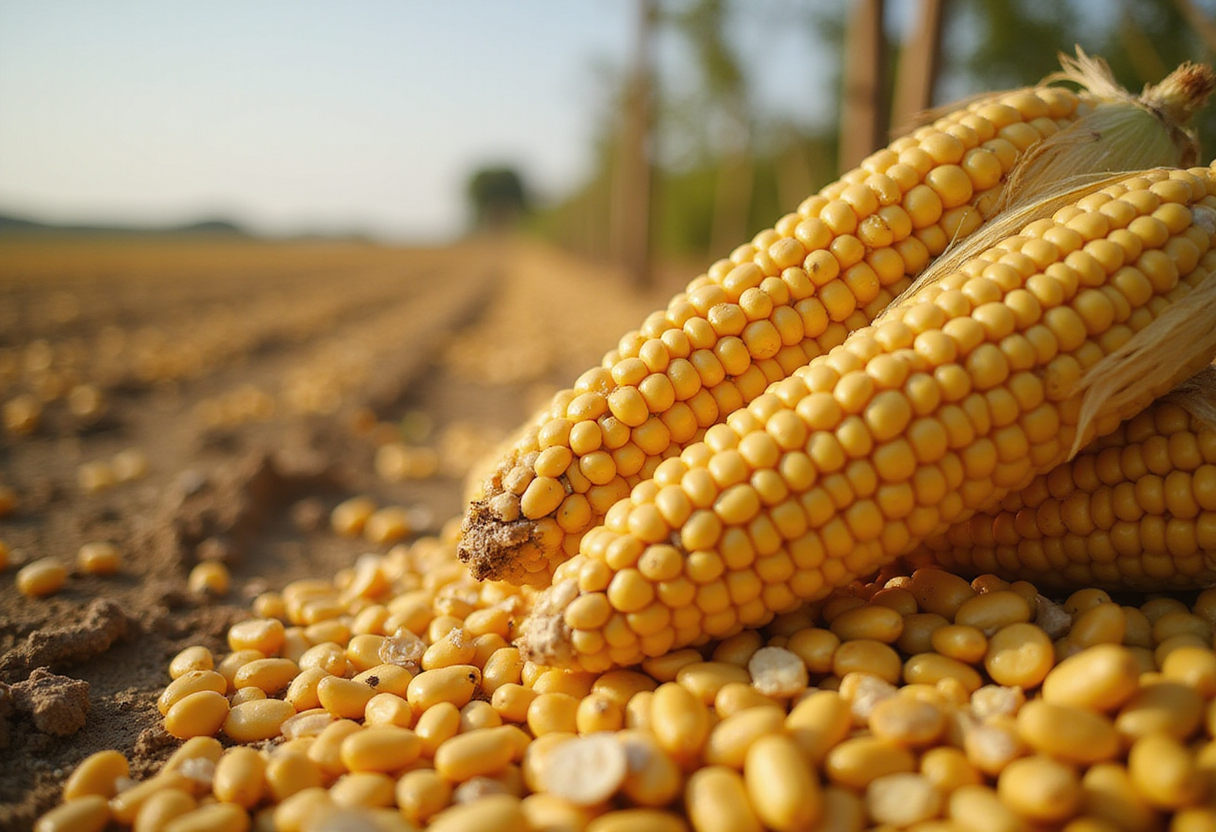
September's heavy rainfall triggered quality problems in corn and soybean crops across parts of Iowa, prompting agronomists to urge growers to assess fields before harvest rather than assume an average crop.
Persistent wet weather during the month created conditions favourable to grain damage, and the resulting quality shortfalls affect decisions well beyond the field: drying costs, storage risk, marketing options and insurance claims all hinge on how badly grain has deteriorated.
The advisory, issued for Iowa producers, focuses on practical management of quality-damaged grain. It asks growers to identify the extent and type of damage first, because the right response — from harvest timing to drying temperature to segregation at the elevator — depends on an accurate diagnosis rather than a guess.
Why does quality damage change harvest decisions?
Damaged grain rarely improves in the field. Delaying harvest in the hope of better weather can allow further deterioration, while harvesting wet, compromised grain shifts the burden to drying and conditioning. Growers weighing those trade-offs should scout, sample and test early, so harvest order and equipment settings follow the actual condition of each field rather than the calendar.
What should farmers watch at storage and marketing stages?
Quality-damaged corn and soybeans store poorly. Grain that enters bins with damage already present carries a higher risk of spoilage, which makes moisture control and regular bin monitoring more critical than in a normal year. On the marketing side, damage can mean discounts or rejections at delivery, so growers benefit from knowing their quality numbers before they contract.
The advisory also serves as a reminder that documenting damage matters. Accurate records of field conditions and test results support conversations with insurers and buyers when quality falls below contract standards.
For Iowa growers, the immediate next step is field-by-field assessment while weather allows. Watch drying costs, test results and local elevator discount schedules as harvest progresses — those three numbers will drive the economics of every damaged bushel this season.
via Farm Progress (Source)
More from Tom Whitfield
Show full bio
Staff writer covering marketplaces and e-commerce at Arable Wire.
112 articles
Nearby records
- KR 90Quality-damaged corn and soybeans: Farm Progress guidanceOctober 12, 2026
- QN 55Wet September Leaves Iowa Farmers Behind on HarvestOctober 10, 2026
- UJ 35Saturated Fields Stall Iowa Corn and Soybean Harvest in OctoberOctober 10, 2026
- CN 54On-Farm Storage Could Pay Dividends for Wet, Damaged CropsSeptember 30, 2026
- UZ 72Drier Weather Could Restart Southwest Iowa HarvestOctober 10, 2026