Spring Wheat Harvest Begins as Crop Conditions Keep Slipping
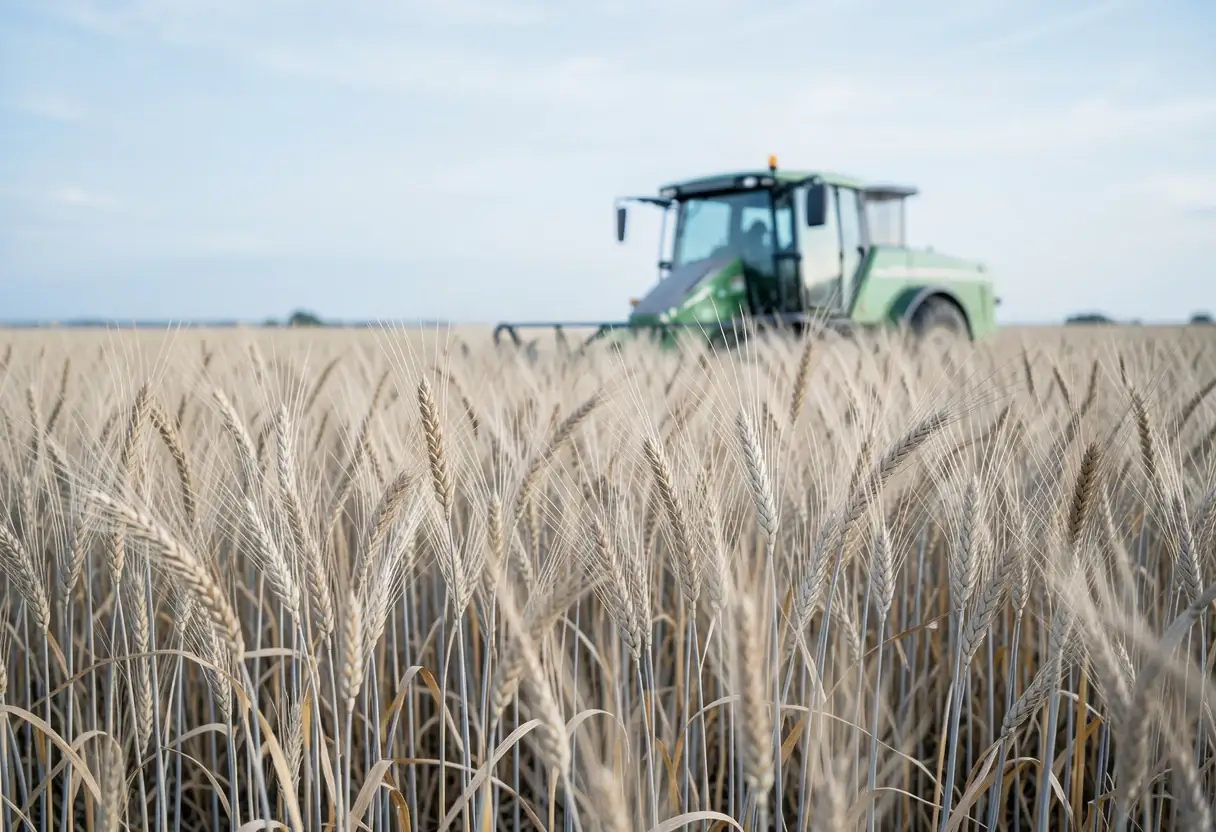
Spring wheat harvest has begun, but sliding crop condition ratings point to yield and quality pressure as cutting spreads across the northern belt.
- Entered
- Plot
- 1.0 ha
- Record
- 405 words
- Walk-through
- 2 min
DrillSprayHarvestCurrent stage
Agronomist’s notes
- Spring wheat harvest has started, Successful Farming reports.
- Crop condition ratings continue to slide as cutting begins.
- Declining conditions into harvest typically signal yield and grain-quality pressure.
- Early yield reports and protein results will show whether the ratings translated into lost bushels.
Spring wheat harvest has started, and crop condition scores continue to fall, according to Successful Farming's latest harvest update.
The report frames the 2025 spring wheat campaign around a split reality. Cutters are rolling in the fields, which confirms the crop has reached maturity on schedule. At the same time, the condition numbers that track crop quality keep trending downward, a signal that yields and grain characteristics may disappoint against earlier expectations.
What does the slide in conditions mean?
Condition ratings work as a forward indicator. When they decline week after week into harvest, they typically point to stress accumulated during grain fill rather than a late-season event farmers can still manage.
For growers, the practical consequence sits in two places. First, yield: a crop that finishes the season in poor condition usually weighs less per acre than its planted acreage suggested in June. Second, quality: test weight, protein content and kernel size can all drift when the plant runs short of moisture or heat stress hits during the final weeks.
Buyers and elevators watch the same numbers. A weaker condition profile across the spring wheat belt can tighten supplies of milling-grade wheat and shift basis levels before the harvest reports confirm actual production.
Why the harvest timing matters
A start to harvest fixes the calendar for the northern Plains and Canadian growers who dominate spring wheat. Once cutting begins, the condition score stops being a forecast and becomes a measurement problem: each load delivered tells the market what the season actually produced.
The gap between the two is the number to watch. If early yields come in close to trend despite the sliding ratings, the condition decline flagged stress that did not translate into lost bushels. If yields fall short, the condition trend was the earlier and more honest signal.
What farmers should watch next
Three data points will settle the question over the coming weeks.
- Weekly harvest progress figures, which show how quickly the crop moves from field to elevator.
- First yield reports from the earliest-cut counties, which anchor expectations for the rest of the belt.
- Protein and test weight results at delivery, which determine whether the crop clears milling specifications or slides into feed channels.
Condition scores will continue to update alongside harvest progress. Growers with wheat still standing should track both series together, because the spread between them sets the tone for marketing decisions on remaining bushels.
via Google News: harvest report wheat (Source)
More from Tom Whitfield
Show full bio
Staff writer covering regulation, policy and their impact on production farming and field operations at Arable Wire.
155 articles
Nearby records
- MN 87Spring Wheat Harvest Starts in Three States as Condition Slips AgainOctober 17, 2026
- BW 40Wheat Harvest Gains Momentum Across RegionSeptember 29, 2026
- KQ 93Winter Wheat Harvest Stalls Across 6 Key US Growing StatesOctober 10, 2026
- ZT 87Michigan wheat harvest underway with strong yield outlookOctober 10, 2026
- BB 82US Corn Good/Excellent Rating Slips to 60% as Maturity AdvancesOctober 3, 2026