Super El Niño Points to Warmer, Wetter Winter for Iowa Soils
A Super El Niño is set to bring Iowa warmer soil and a warmer, wetter winter, shifting nitrogen, disease and planting decisions for growers.
- Entered
- Plot
- 1.0 ha
- Record
- 400 words
- Walk-through
- 2 min
DrillSprayHarvestCurrent stage
Agronomist’s notes
- A Super El Niño is forecast to bring Iowa warmer soil and a warmer, wetter winter
- Warmer soil threatens nitrogen retention and leaching on tiled Iowa ground
- Fewer hard freezes raise overwintering pest and disease survival risk for next season
A Super El Niño is expected to deliver Iowa a warmer, wetter winter — and warmer soil temperatures heading into next spring, according to Successful Farming's climate outlook.
That single pattern shift carries consequences for nearly every field decision Iowa growers will make between now and planting: nitrogen timing, seed treatment choice, disease pressure and even machinery logistics during harvest and fall tillage.
Why does a Super El Niño matter to Iowa fields?
El Niño events redistribute Pacific Ocean heat, and the jet stream follows. In strong El Niño winters — the ones meteorologists label "super" — the Midwest typically lands on the warm, wet side of the storm track.
For Iowa, that translates into two linked outcomes flagged in the outlook:
- Warmer soil through the winter months and into early spring
- A warmer, wetter winter overall, with precipitation arriving as rain more often than snow
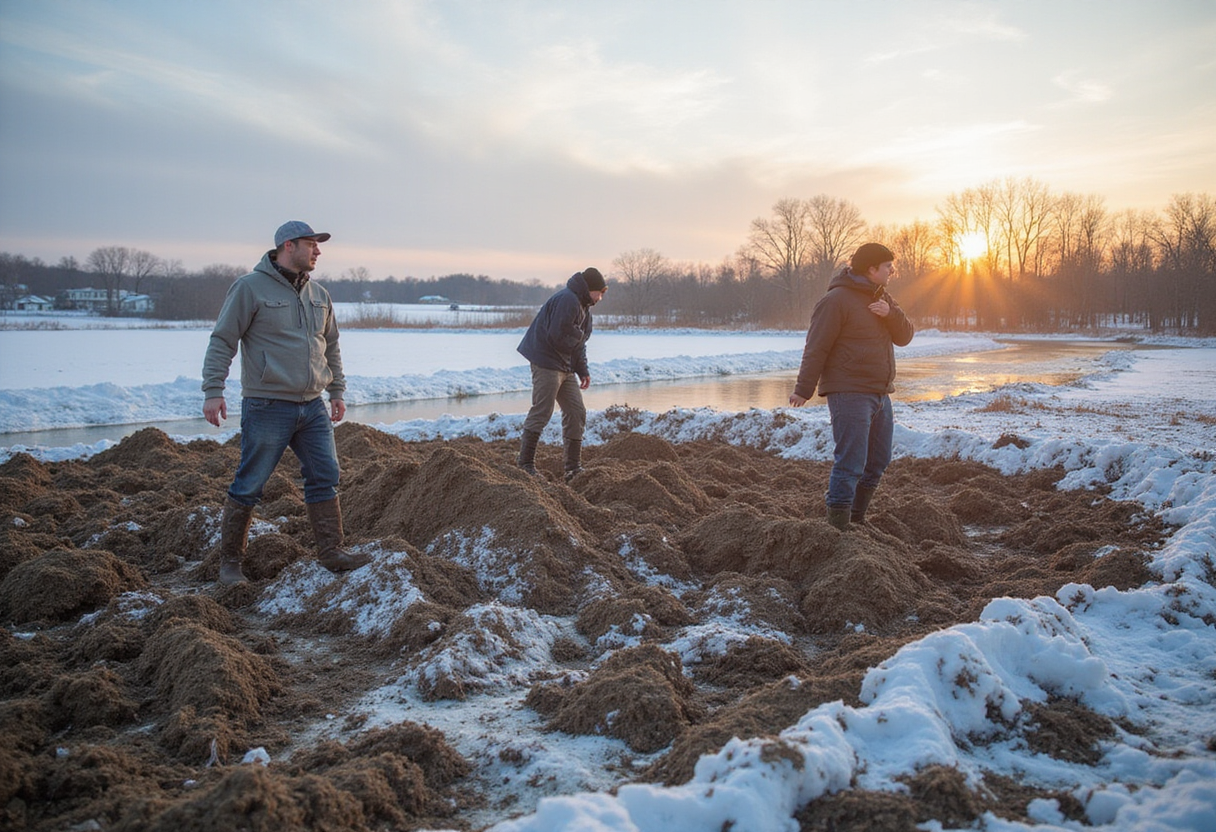
Warm winters cut the depth and duration of soil freeze. That matters. Frozen ground normally locks nitrogen in place and kills off overwintering pests and pathogens. A shallow freeze does neither job well.
What changes agronomically?
Warmer soil opens the door to earlier soil biological activity. Microbes start mineralizing nitrogen sooner, which can move the effective window for fall-applied anhydrous and spring pre-plant applications. Growers who applied nitrogen late last fall should expect less of it to sit still.
Wet conditions compound the risk. Saturated, unfrozen soils leach nitrate downward and, on tiled ground, straight out the outlet. Iowa's extensive tile drainage makes this a statewide concern rather than a field-by-field exception.
Disease and pest carryover is the third factor. Fewer hard freeze days typically mean more survival among overwintering insects and inoculum, raising the odds of earlier pest and disease pressure on emerging 2024 crops.
For livestock farmers, a wet winter means more mud in lots, higher bedding demand and tougher manure application windows.
What should farmers watch next?
The El Niño forecast is probabilistic, not guaranteed. Individual storms can still bring bitter cold snaps and heavy snow inside an overall mild pattern.
Growers should track three things through the winter: updated soil temperature readings as spring approaches, weekly precipitation trends against normal, and the timing of nitrate losses in their drainage water. Spring soil nitrate tests will tell the true story of what a warm, wet winter left behind — and whether the nitrogen plan needs adjusting before planters roll.
via Google News: crop protection farming (Source)
More from Priya Raman
Nearby records
- QH 76El Niño forecast puts Pacific Northwest growers on alertOctober 9, 2026
- RN 30Historic El Niño Threatens to Reshape U.S. Farm Weather Through 2027September 29, 2026
- UG 50Rain stalls Midwest corn and soybean harvest as cooler air settles over US farm beltOctober 3, 2026
- EW 20Freeze Warnings to 90°F Plains Heat: US Crops Caught in Weather SqueezeSeptember 30, 2026
- XK 19El Niño Strengthens, Australian Farmers Brace for Fierce FrostsSeptember 29, 2026