Two Suffolk ewes euthanised after Japanese spindle poisoning in Sligo
Two Suffolk ewes were euthanised at Sligo Regional Veterinary Laboratory after suspected Japanese spindle poisoning linked to garden clippings dumped in the field days earlier.
- Entered
- Plot
- 1.8 ha
- Record
- 710 words
- Walk-through
- 4 min
DrillSprayHarvestPlanning window
Agronomist’s notes
- Two Suffolk ewes euthanised at Sligo Regional Veterinary Laboratory after suspected poisoning; a third sheep died the previous day
- Garden clippings had reportedly been dumped in the field a few days before the animals were found lying down and semi-conscious
- Japanese spindle leaves, identified by the National Botanic Gardens' Plant Identification Service, were found in both ewes' stomach contents
- Post-mortem examination revealed no significant visible abnormalities
- DAFM names lead, nitrate and yew tree toxicosis as the most common livestock poisoning risks
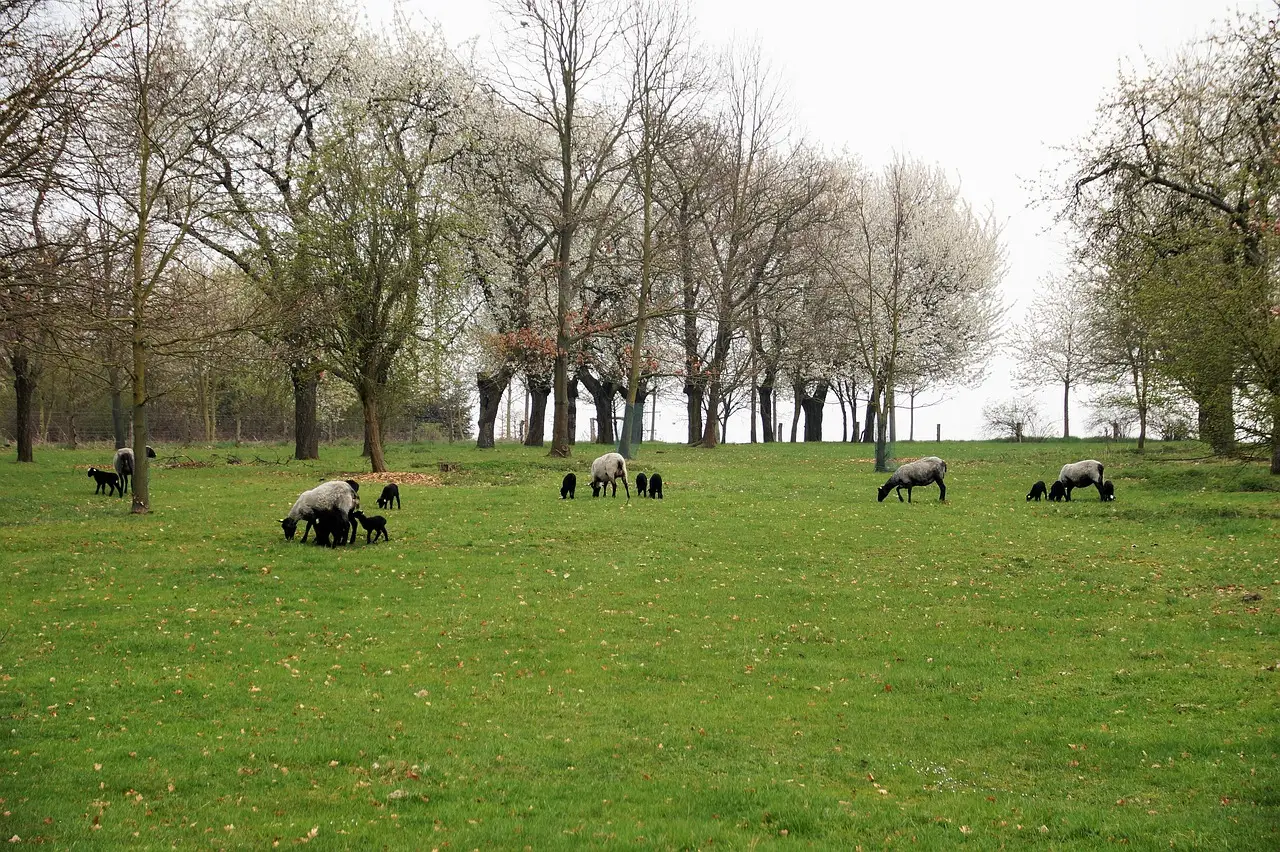
Two Suffolk ewes were euthanised at Sligo Regional Veterinary Laboratory (RVL) after suspected poisoning, and a third sheep died the previous day. The suspected cause was garden clippings dumped in the field days earlier.
According to a Department of Agriculture, Food and the Marine (DAFM) regional veterinary laboratories report, both ewes were brought to Sligo RVL after being found lying down and semi-conscious. Garden clippings had reportedly been dumped in the field a few days before they were found.
A post-mortem examination revealed no significant visible abnormalities. The evidence sat in the stomach: small, unusual leaves with distinctive scalloped edges, recovered from both ewes. The National Botanic Gardens' Plant Identification Service identified them as Japanese spindle, an ornamental shrub that can be toxic to livestock. The findings suggested the sheep had eaten the plant, and the report treats it as the most likely cause of the animals' illness.
How did investigators narrow this down to a garden shrub?
Three findings in the report matter, and the order in which they arrived explains the verdict.
- No significant visible abnormalities were recorded on post-mortem examination.
- Small, unusual leaves with distinctive scalloped edges were found in the stomach contents of both ewes.
- Botanical identification by the National Botanic Gardens' service named the plant as Japanese spindle.
The absence of visible abnormalities is what makes the stomach contents decisive. With no obvious lesions to point at an infectious or structural cause, physical evidence of ingested material takes on weight. Two animals independently presenting the same type of leaf, in a field that had recently received dumped clippings, is a pattern rather than an anecdote.
The timing also fits. Clippings went into the field a few days before the sheep were found down, the third animal had already died the previous day, and the first two were euthanised once veterinary examination could not save them. The field, not the animal, was the shared factor.
What else can garden clippings cause?
The report is explicit that the danger does not depend on the clippings carrying a poisonous plant. Even where they do not, they can still cause problems such as ruminal acidosis, which the report defines as excessive acidity in the rumen, the fermentation chamber of the stomach. Fresh, rapidly fermenting plant material delivered in quantity to a grazing animal shifts the acid balance of that chamber, and stock are not adapted to a sudden concentrated dose of the kind a dump delivers.
A second pathway runs through contamination. Officials warn that lawn clippings could carry dog or cat faeces, which can contain parasites such as Neospora caninum and Toxoplasma gondii. Those parasites pose an additional infection risk to grazing livestock, so one dump can introduce infectious risk at the same time as toxic and digestive risk.
Is this the biggest poisoning risk on a farm?
Not according to DAFM, which names the most common livestock poisoning risks as lead, nitrate and yew tree toxicosis. Those are on-farm exposures: lead from old batteries and similar sources, nitrate from high-nitrogen herbage, yew from planted trees and their cuttings.
The Japanese spindle case differs in origin rather than in severity. Lead, nitrate and yew come out of the farm's own management; this one started with waste tipped in from outside it. A single dump moved an ornamental garden shrub into a grazing field, and three sheep were dead or euthanised within days.
What should farmers do now?
DAFM's advice to livestock owners is to check fields and hedgerows regularly and carefully for potential sources of poisoning, and to contact their vet immediately if poisoning is suspected in an animal. Hedges and field edges are where dumped material tends to accumulate, and where ornamental species grown in nearby gardens are most likely to have come from.
The report is an advisory rather than a rule change, so no management requirement shifts. What it does is widen the list of things worth inspecting before stock go onto grass, and it puts dumped waste alongside lead, nitrate and yew as a recognised exposure. Farmers should watch for any further DAFM regional laboratory findings of the same kind, and treat every clippings dump near grazing land as a poisoning risk until it is shown otherwise.
via agriland.ie (Source)
More from James Calloway
Show full bio
Correspondent covering regulation, policy and their impact on production farming and field operations at Arable Wire.
187 articles
Nearby records
- LP 25Three in four NI farmers fear livestock injury, survey findsOctober 19, 2026
- KW 51Cumbrian farm death inquests prompt Farm Safety Week reflectionOctober 10, 2026
- CL 55Death in 15 minutes: why post-drought Johnsongrass is killing cattleOctober 20, 2026
- AK 92Cumbrian farm death inquests reignite Farm Safety Week debateOctober 10, 2026
- FY 7322 farm worker deaths prompt lasting-injury safety campaignOctober 10, 2026