USDA Crop Progress Shows Corn Condition Slipping Again
USDA's latest crop progress report shows corn condition slipping again as the 2026 crop records its first dented acres, tightening late-season yield prospects.
- Entered
- Plot
- 1.1 ha
- Record
- 434 words
- Walk-through
- 2 min
DrillSprayHarvestCurrent stage
Agronomist’s notes
- USDA crop progress report shows corn condition declining for another week
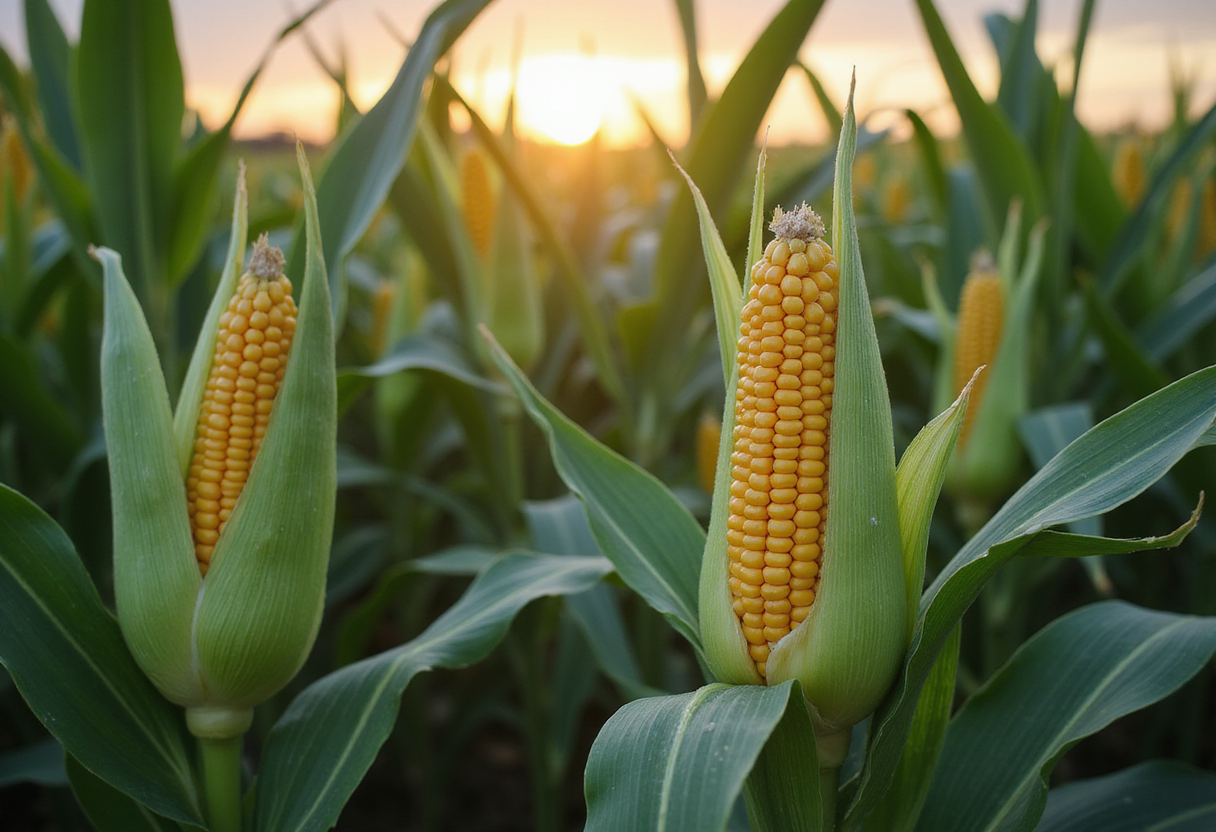
- First corn acres of the 2026 crop have reached the dent (R5) stage
- Denting closes the window for late-season yield recovery; frost risk now the key variable
The USDA's latest crop progress report carries two signals grain buyers and growers will weigh together: corn condition has slipped again, and the 2026 crop has recorded its first acres reaching the dent stage.
The decline marks another week of deteriorating ratings in what has been a grinding season for the crop. Condition scores are the single most watched number in the weekly Crop Progress report, because they feed directly into yield models used by traders, insurers and elevator managers. A second consecutive weekly drop tightens the margin between an average crop and a disappointing one.
Dent is the tell. Kernel denting — R5 in the growth-stage shorthand — is one of the last milestones before black layer and physiological maturity. When the first dented plants appear in the report's stage-of-development table, the crop has passed the point where late-season rain can rebuild yield potential. From here, the remaining variables are heat units to finish filling, and the threat of an early frost cutting the run short.
That timing matters for two field decisions. First, growers planning harvest management — silage chopping windows, drying costs, grain moisture at the elevator — should start building schedules around a crop that is now visibly maturing rather than purely calendar-driven. Second, those considering late-season fungicide or any remaining pass need to recognize the window is effectively closing on acres already at dent.
For the market side, condition declines in August reports historically move yield expectations more than identical declines earlier in the summer, because the crop has less time to recover. Analysts will now watch whether the percentage of the crop rated good to excellent continues to erode in next week's report, and whether the dent-stage percentage jumps — a fast jump would confirm heat is pushing maturity along quickly, which can mean lighter kernels and lower test weight at harvest.
Weather over the next two to three weeks decides most of what is left to decide about this crop. A stretch of above-normal temperatures accelerates dent and drydown but compresses the filling period. An early frost, particularly in northern acres where planting ran late, remains the tail risk that could turn a modest ratings decline into a genuine yield problem.
The next Crop Progress report, released on the USDA's regular Monday schedule, will show whether the condition slide is a trend or a pause, and how quickly the dent percentage is climbing. Growers should also track their regional breakdowns rather than the national figure alone — condition and maturity vary widely by state, and local basis moves on local supply.
via Google News: harvest report wheat (Source)
More from Daniel Okafor
Nearby records
- BB 82US Corn Good/Excellent Rating Slips to 60% as Maturity AdvancesOctober 3, 2026
- RN 42USDA: Corn 18% Harvested, Soybeans 17% as of Sept. 27October 3, 2026
- CL 77Kansas wheat harvest day six: yields hold above expectationsOctober 3, 2026
- RK 67U.S. Winter Wheat Harvest Outpaces Average PaceOctober 3, 2026
- PS 37Wheat harvest underway as crop progress report lands for 6/8/26October 3, 2026