€20 fuel surcharge: zero grazing contractors price a late-season cut
Irish zero grazing loads cost €80-€120 excluding VAT this season, with €20 fuel surcharges and two-week credit terms as contractors battle record diesel prices.
- Entered
- Plot
- 2.2 ha
- Record
- 873 words
- Walk-through
- 4 min
DrillSprayHarvestCurrent stage
Agronomist’s notes
- Zero grazing loads in Ireland cost €80-€120 excluding VAT this season
- Contractors add a €20 per load surcharge when green diesel exceeds €1.00/L
- A €120 load feeds 160 cows for 12 hours; a €100 load feeds 80-100 cows
- One south-east contractor charges €120/hour timed from the start of cutting
- Credit periods range from two weeks to one month among surveyed contractors
Irish contractors are charging €80 to €120 per load, excluding VAT, for zero grazed grass this season — and some are adding a €20 fuel surcharge on top as green diesel trades above €1.00/L. The figures come from a survey of contractors across the country by Agriland, which found pricing varies sharply depending on machine capacity and how operators handle thin grass covers.
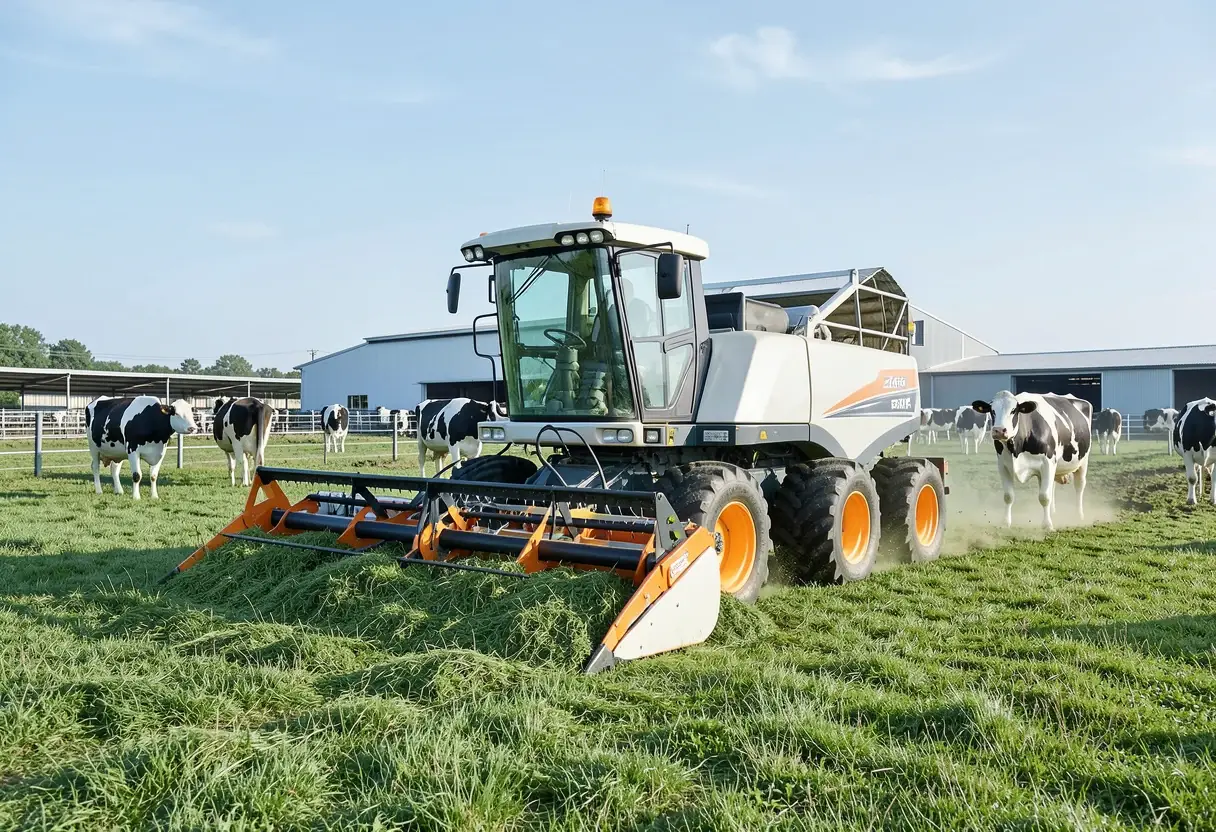
The context is an unusual year for Irish agriculture. The grain harvest finished early, the slurry spreading deadline was extended, and a spell of fine weather means the zero grazer — a self-propelled or trailed machine that cuts grass in the field and hauls it to housed cattle, so cows eat fresh grass without grazing the paddock — may get one final run-out this November.
What does a load actually cost?
The capacity of the zero grazer accounts for most of the spread between €80 and €120 per load. At the top end, a €120 load feeds 160 cows for 12 hours. A €100 load feeds 80 to 100 cows over the same period.
The mathematics are simple enough for any farmer running a costed herd. Bigger machines deliver more grass per pass, so the price per cow fed per day narrows considerably at the €120 end of the market. A 160-cow herd buying two loads a day pays €240 daily; the same herd split across a smaller contractor's capacity would pay a comparable figure for fewer cows.
Fuel has complicated the picture this year. Green diesel prices have hit an all-time high, and one contractor reported a fixed surcharge to protect his margin.
"I add a €20 per load surcharge when green diesel costs more than €1.00/L," he said. "It doesn't matter whether diesel is 5 cent over the euro or 60 cent over."
That flat-rate approach removes the argument about fuel receipts. It also shifts price risk back to the farmer, who now carries exposure to every cent the pump rises above the euro mark.
Why light grass changes the pricing logic
Charging per load has a hidden weakness: it assumes a load is a load. One contractor explained that thin covers can destroy the economics of a per-load job.
"If I have to pick-up 6 or 7ac of light grass just to fill one load, that added time and diesel cost impacts profitability," he said. "Unless they are a very good customer, I have to turn that work down."
Seven acres of ground to fill a single wagon is a genuine cost signal. The machine runs longer, burns more diesel and covers more road for the same invoice — which is why some operators now refuse light-cover work outright rather than absorb the loss.
A contractor in the south-east has answered the problem with a different pricing model: €120 per hour, timed from the start of cutting in the field. The clock, not the wagon, sets the bill.
He said the method can draw push-back from customers with lighter covers, but his answer reframes the comparison for anyone weighing zero grazing against alternatives.
"Per acre, if I was to only mow that field or even top it, it would cost you more," he said. "But I'm not just mowing; I also pick up the grass and transport it to the yard. No matter what way you do it, it's always dearer to make silage than to zero graze."
That claim is the key field decision in this story. Where a farmer has the option of grazing in situ, zero grazing adds machinery and haulage cost. Where housing is forced — wet ground, extended housing periods, late-season covers — the hourly comparison against silage making favours the zero grazer.
When do contractors expect payment?
Credit terms are the second fault line in the zero grazing market. Irish contracting has a legacy culture in which some silage harvesting bills went unpaid until the following harvest — a tradition that has left lasting misconceptions about when zero grazing invoices fall due.
Practice among the contractors surveyed varies widely:
- One contractor caps all zero grazing credit at one month.
- Another allows a two-week credit period.
- A contractor in the north-east refuses to take on a new zero grazing job for a farmer until the last one is paid.
Not everyone applies the discipline. A contractor in the south admitted to a "far too relaxed approach" to his credit periods.
"We give them all a chance, you have to look after your customers," he said. "You know who you are dealing with, it would be different if you didn't."
What should farmers watch next?
Demand for zero grazing work is anything but steady, as one Wexford contractor put it: "Nobody wants you at all for a week or two, then everyone wants you day and night."
That volatility, combined with fuel surcharges and tightening credit terms, means farmers planning a November cut should book capacity early, check whether their contractor prices per load or per hour, and confirm the surcharge trigger before the machine arrives. With green diesel above the €1.00/L threshold, the €20 question is no longer whether it applies — but for how long.
via cms.agriland.ie (Original)
More from James Calloway
Show full bio
Correspondent covering regulation, policy and their impact on production farming and field operations at Arable Wire.
175 articles
Nearby records
- FN 72Grass Growth Slips to 53kg DM/ha as Farmers Move to Close PlatformOctober 10, 2026
- RJ 30Drought Exposed Overstocking on Irish Dairy FarmsOctober 26, 2026
- QR 3938% of Irish farms below grass cover target as growth slipsOctober 17, 2026
- UG 26Southern Farmers Face $214 Million Diesel Shock at HarvestOctober 20, 2026
- LT 77Kildare father and son build winter feed business on tillage farmOctober 1, 2026