Dry Weather Hammers Western Kansas Corn Yields
Dry weather has hammered corn yields in western Kansas, Brownfield Ag News reports, hitting dryland acres hardest and raising breakevens across the region.
- Entered
- Plot
- 1.3 ha
- Record
- 501 words
- Walk-through
- 3 min
DrillSprayHarvestCurrent stage
Agronomist’s notes
- Dry weather has cut corn yields across western Kansas this season
- Dryland acres bore the brunt of the moisture shortfall
- Brownfield Ag News first reported the yield losses
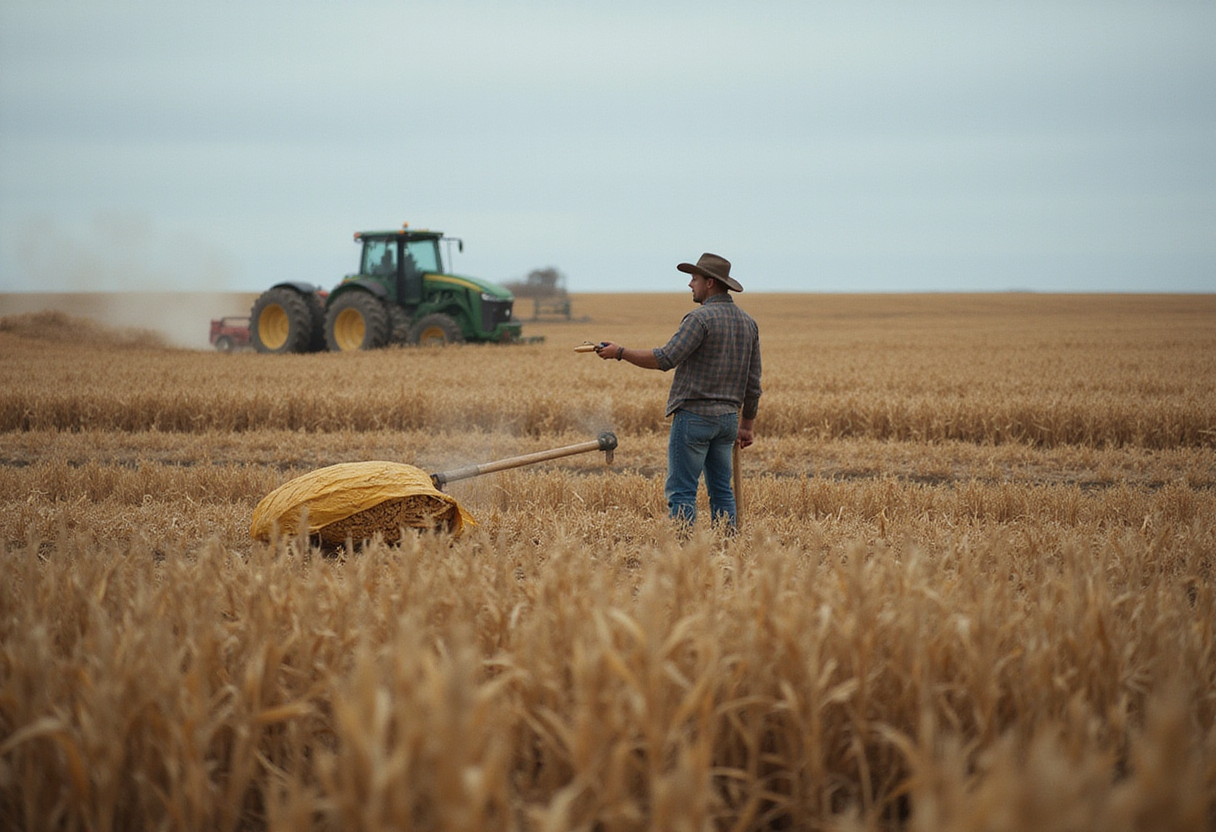
Dry weather has hammered corn yields in western Kansas, according to Brownfield Ag News, dealing growers in one of the state's most productive dryland corn regions a harsher harvest than many anticipated.
Western Kansas sits at the western edge of the Corn Belt, where rainfall is marginal in the best of seasons. When precipitation fails during the critical pollination and grain-fill windows, yields fall fast. That is what happened this year, and the region's corn growers are now counting the cost at the combine.
How bad is the damage?
The report from Brownfield Ag News is blunt in its headline: dry weather has hammered yields. Growers and agronomists in the region have come to expect moisture stress in a normal year, but this season's shortfall pushed dryland fields past the point where good genetics and management can compensate.
Irrigated acreage tells a different story. Fields under center pivots in western Kansas can still deliver respectable yields where water allocations hold. But dryland corn — which makes up a substantial share of planted acreage in the western third of the state — carries the full weight of whatever rain does or does not fall between June and August.
Why does western Kansas feel it first?
The High Plains region runs on the Ogallala Aquifer, and that resource is under long-term decline. As pumping capacity shrinks on many farms, irrigators have less buffer against hot, dry summers. Dryland growers never had that buffer.
When drought hits, the yield penalty in western Kansas arrives earlier and cuts deeper than in eastern districts, where higher rainfall and deeper soils give corn a longer leash. A season that eastern Kansas might shrug off can wipe out profitability in the west.
What does this mean for harvest and marketing?
Lower yields in western Kansas reduce the state's total corn crop, though the exact production impact will only become clear as the US Department of Agriculture's harvest data and county-level yield estimates come in.
For individual growers, the arithmetic is unforgiving. Fewer bushels spread over the same fixed input costs — seed, fertilizer, fuel and land — means higher breakeven prices on every acre. Some farmers with revenue protection crop insurance will lean on indemnity payments to cover the gap; those farming bare will absorb the loss directly.
The local elevator and ethanol sectors also feel the pinch. Western Kansas feeds a large cattle industry, and short corn supplies push feed costs higher for feedyards across the region.
What should farmers watch next?
Growers should track the USDA's follow-up yield reports and county estimates, which will quantify the shortfall and trigger crop insurance adjustments where guarantees apply. Weather patterns through the remainder of harvest will determine whether late-planted and replanted fields fare any better than the main crop.
Beyond this season, the results will sharpen the perennial question for western Kansas: how much corn the region can sustainably plant as aquifer levels decline and dry years become harder to insure against.
via Google News: farming weather (Source)
More from Priya Raman
Nearby records
- KX 37Rain and Heat Cut Central Illinois Corn Yields, Farmer ReportsOctober 10, 2026
- GE 54Illinois corn yields hit by roller-coaster seasonOctober 10, 2026
- EZ 54York County corn farm loses thousands to weather extremesSeptember 29, 2026
- NR 66Plains Heat Builds While Northwest Rains Delay PlantingOctober 3, 2026
- VE 82US Farm Weather: Midwest Rains Build as Southern Heat Drains Soil Moisture - AgroLatamOctober 3, 2026