Drought hits Kansas wheat harvest, pushing farmers into crisis
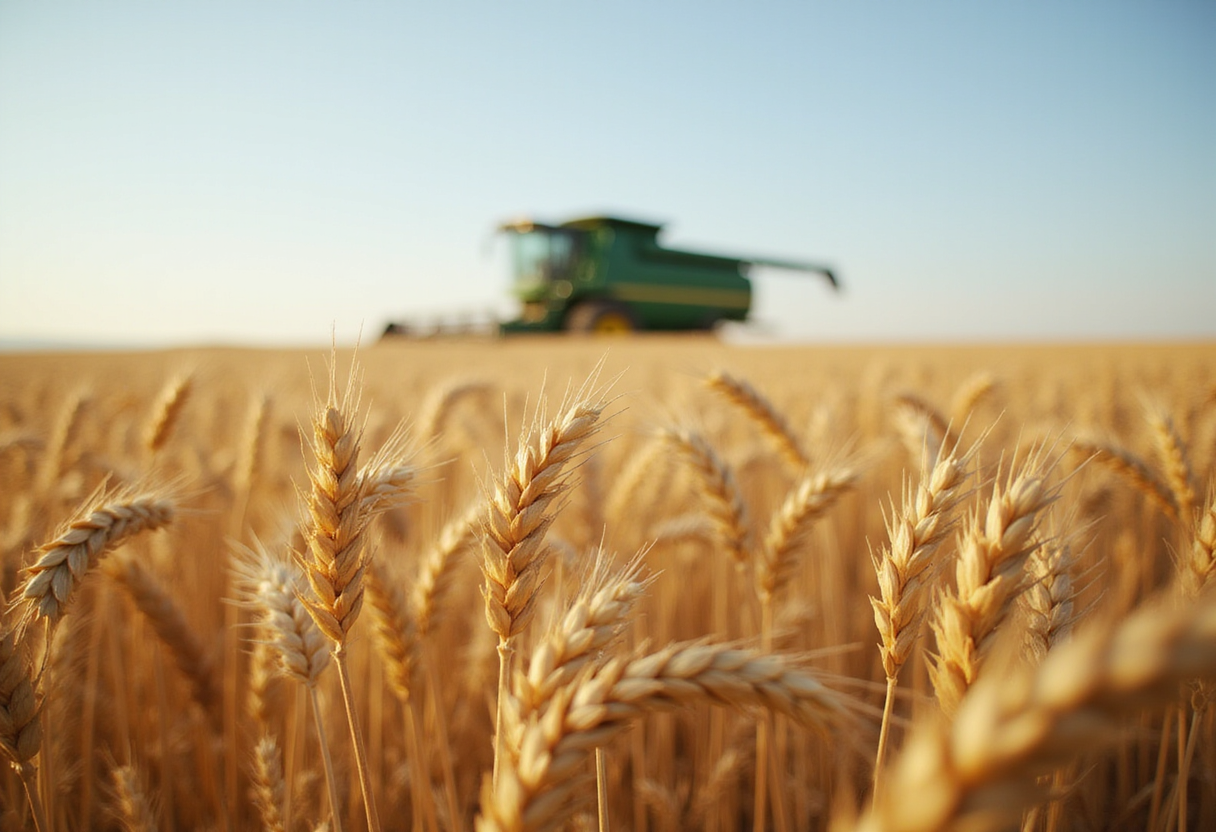
Drought has hit the Kansas wheat harvest, with farmers in the top hard red winter wheat state facing crisis conditions, The Topeka Capital-Journal reports.
- Entered
- Plot
- 1.5 ha
- Record
- 602 words
- Walk-through
- 3 min
DrillSprayHarvestCurrent stage
Agronomist’s notes
- Drought is hitting the Kansas wheat harvest, The Topeka Capital-Journal reports
- Kansas farmers are described as facing crisis conditions as the harvest proceeds
- Kansas is the leading US state for hard red winter wheat, the class used for bread flour
- Drought-stressed crops face reduced yields, lighter test weights and possible field abandonment
Drought is hitting the Kansas wheat harvest, and farmers in the state are among those now facing what The Topeka Capital-Journal describes as outright crisis conditions.
Kansas is not a marginal wheat producer. It is the heart of US hard red winter wheat (the high-protein class used for bread flour) country, and when the state's crop shrinks, millers, exporters and livestock feeders all feel it. A crisis-level harvest in Kansas is therefore not just a local weather story. It moves national supply expectations.
What is actually happening in the fields?
According to The Topeka Capital-Journal's reporting, dry conditions have compressed this year's harvest. Farmers are cutting what the drought left them. That is the brutal arithmetic of a dryland wheat (wheat grown without irrigation) year in the Plains: the same fuel, labour and machinery hours go into harvesting a fraction of the crop.
Drought damage in wheat rarely arrives as one catastrophic event. It accumulates. Moisture stress during tillering and grain fill (the stages when the head sets and packs kernels) shrinks kernel size, thins test weight (a density measure that determines milling grade) and drags yield per acre down field by field. Some fields drop below the threshold where harvesting them costs more than the grain is worth.
That is what turns a poor harvest into a financial crisis rather than merely a disappointing one.
Why does a Kansas drought reach beyond Kansas?
Hard red winter wheat grown across the central Plains anchors US bread-flour supply. Kansas alone routinely produces more of it than most countries. A drought-hit harvest there tightens domestic milling supply, and it narrows the export window at a time when global wheat buyers are already comparing prices across multiple origins.
For growers, the squeeze runs in two directions at once. A short crop lifts futures prices, which helps those with grain to sell. But drought-affected farmers often have little or nothing priced at those levels, because abandoned or failed fields deliver no revenue at all. Crop insurance (federally subsidised cover that pays out on yield losses) becomes the difference between a bad year and an exit from farming.
What should farmers and buyers watch next?
Three things will shape how this story resolves.
- Harvest progress reports. Weekly condition and progress data will show how much of the planted area is actually being cut versus abandoned.
- Yield and quality data. Test weights and protein levels from the first fields harvested signal whether the crop that does exist will meet milling spec or get discounted to feed grade.
- Insurance claims and prevented-planting decisions. The financial aftermath will run well past the last combine pass, and it will influence planting intentions for the next wheat seeding window in autumn.
For Kansas growers, the practical question now is damage control: which fields justify harvest costs, how to handle drought-stressed grain at the elevator, and how to position any remaining marketing for a tighter supply year.
For buyers and analysts, the question is sizing. One state's crisis does not empty the world's wheat pipeline, but Kansas is big enough that its shortfall shows up in national balance sheets. The next round of official crop estimates will put a number on it.
Drought years in the Plains also carry a forward signal. Dry conditions at harvest often mean dry soil going into the next planting window, and wheat seeded into a moisture deficit starts the following season already behind. Farmers across Kansas and neighbouring wheat states will be watching late-summer rainfall as closely as they watched this harvest.
via Google News: harvest report wheat (Source)
More from Daniel Okafor
Show full bio
Market editor covering money, funding and market shifts around production farming and field operations at Arable Wire.
109 articles
Nearby records
- VC 85Kansas 2026 Wheat Harvest Nears End With Wildly Variable YieldsOctober 11, 2026
- AE 74Kansas wheat crop on track to be worst since 1972October 10, 2026
- PZ 64Kansas wheat harvest tipped for decades-low as farm stress mountsOctober 10, 2026
- NP 93Kansas Wheat Harvest 2026 Nears Halfway Point as Yields SlideOctober 9, 2026
- XA 66Oklahoma wheat harvest 90% complete amid drought recovery and rain delaysOctober 10, 2026