EU survey targets disease-resistant varieties with up to 100% spray cuts
Early IPMorana potato trials show 45-100% cuts in late blight spraying with full disease control, as Irish farmers are urged to join the EU survey on resistant varieties.
- Entered
- Plot
- 1.4 ha
- Record
- 564 words
- Walk-through
- 3 min
DrillSprayHarvestPlanning window
Agronomist’s notes
- Early IPMorana potato experiments demonstrated 45-100% reductions in late blight spray applications while maintaining complete disease control.
- The EU IPMorana programme targets rust in wheat, late blight in potato and grain legume diseases.
- Almost all winter barley varieties planted in Ireland this season carry a BYDV tolerance claim.
- Teagasc Oak Park is researching tolerance to Irish BYDV aphid strains.
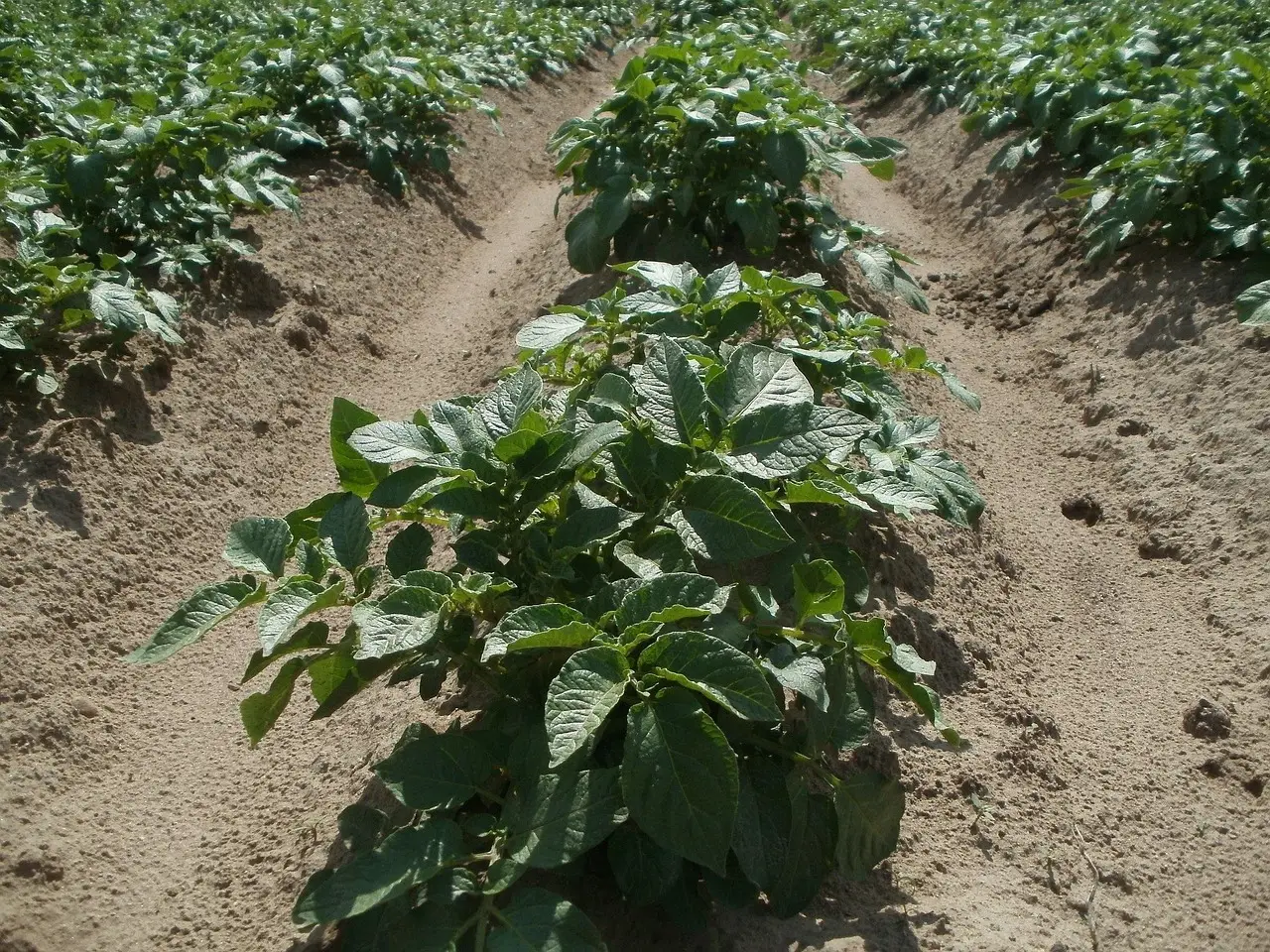
Early experiments in potato have shown the potential for between 45-100% reductions in fungicide spraying against late blight, while maintaining complete disease control. That result sits at the heart of IPMorana, the EU programme now inviting Irish tillage farmers to take part in a survey on the use of disease-resistant crop varieties.
The survey asks growers how resistant varieties feature in their current practice. Its findings will feed wider work on integrated pest management (IPM), the approach that combines variety choice, monitoring and targeted spraying to reduce chemical use.
How does the IPMorana system work?
The project is developing decision support tools that draw on landscape-level monitoring networks. These networks factor in the interaction between two moving targets: the resistance a variety carries, and the variability and distribution of the pathogens it faces.
That information then feeds into fungicide decisions designed to maximise the effectiveness of the resistant variety. The project calls this approach 'vulnerability mapping' — essentially, matching spray programmes to where pathogen pressure actually sits rather than spraying to a standard calendar or dose.
IPMorana focuses on three disease-crop combinations:
- rust disease in wheat;
- late blight in potato;
- diseases of grain legumes.
The potato figures give the clearest indication of the payoff. A reduction of 45-100% in spray applications, with full disease control retained, would materially cut both cost and fungicide reliance in a crop where blight programmes are among the heaviest in arable farming.
What is happening with BYDV tolerance in Ireland?
In Ireland, the use of Barley Yellow Dwarf Virus (BYDV) tolerant varieties of winter barley is now commonplace. It is estimated that almost all of the winter barley varieties planted over recent weeks carry a BYDV tolerance claim.
Research at Teagasc Oak Park is ongoing to establish just how much tolerance these new varieties have to the specific strains of BYDV-carrying aphids found in Ireland. The local pathogen and vector picture matters here, because tolerance proven elsewhere may not hold against Irish aphid populations.
Tolerance is regarded as a half-way house to full resistance. The ultimate goal is BYDV resistance across all the cereal types grown in Ireland — barley, wheat, oats and rye.
Why does potato IPM matter so much in Ireland?
IPM systems have been a cornerstone of Irish potato production for several years. That is a direct response to two inter-related problems: the continuing evolution of fungal blight populations, and the shrinking number of effective fungicides available to potato growers.
The clear focus of every blight prevention programme now implemented in Ireland is preserving the fungicide chemistries currently on the market. The economics point the same way: given the significant cost of developing alternative fungicide products, new chemistries are unlikely to reach the market in the foreseeable future.
Two obstacles complicate the resistant-variety route. Blight populations mutate very quickly, which can erode varietal resistance. And breeding new potato varieties that also deliver the eating characteristics consumers demand takes time and is difficult to combine with strong resistance.
What should farmers watch next?
For growers weighing participation, the survey offers a direct route to shape tools built around vulnerability mapping rather than generic spray advice. Teagasc Oak Park's findings on BYDV tolerance against Irish aphid strains will be the next concrete data point for winter barley growers, ahead of any move from tolerance towards full resistance across the cereals.
via cdn.agriland.ie (Original)
More from James Calloway
Show full bio
Correspondent covering regulation, policy and their impact on production farming and field operations at Arable Wire.
201 articles
Nearby records
- WH 88Pest Resistance Forces US Growers Toward Hybrid Crop ProtectionOctober 2, 2026
- MM 64Wet Season Drives Surge in Manitoba Fungicide SprayingOctober 3, 2026
- SQ 74Corn Growers Get 'Guaranteed' Fungicide Pass as Southern Rust Threat LingersOctober 3, 2026
- JC 79Webinar to Present New Research on Protecting Sm1 Wheat Midge ResistanceSeptember 29, 2026
- VV 96Farm Progress highlights two free weather tools for farmersSeptember 30, 2026