Herbicide resistance hits 100+ weed species: South Africa on alert
Resistance is confirmed in more than 100 weed species globally. South African wheat growers in the Swartland are feeling it in ryegrass — and higher doses won't fix it.
- Entered
- Plot
- 2.0 ha
- Record
- 810 words
- Walk-through
- 4 min
DrillSprayHarvestCurrent stage
Agronomist’s notes
- The HRAC global database documents hundreds of herbicide resistance cases across more than 100 weed species.
- Swartland wheat farmers have faced ryegrass (Lolium spp.) resistance for years, says Agbridge consultant Dirk Uys.
- Target-site resistance cannot be overcome by increasing herbicide dose, according to Syngenta's Maryke Craven.
- Suboptimal spraying — wrong rates, timing or coverage — accelerates resistance, says Syngenta SA's Hanlie Geldenhuys.
- University of Adelaide professor Chris Preston says only integrated weed management combining chemical, cultural and mechanical control is sustainable.
Hundreds of herbicide resistance cases have now been documented in more than 100 weed species worldwide, according to the Herbicide Resistance Action Committee (HRAC) — and South African producers are firmly inside that tally.
Dr Elbé Hugo, category marketing lead of herbicides at Corteva, says resistance is becoming a critical challenge for South African farmers and is increasingly threatening farm productivity. She issued the warning during a recent Corteva farmer roadshow.
Resistance, in her definition, occurs when a weed population evolves the ability to survive applications of herbicides that previously killed it.
"This is the result of repeated selection pressure over time," Hugo said. "When the same mode of action is used consistently, susceptible weeds are controlled while naturally tolerant individuals survive and reproduce. Over successive seasons, these resistant individuals dominate the population, rendering certain herbicides less effective or even ineffective."
Where is the damage worst?
The Swartland wheat region has battled resistance in ryegrass (Lolium spp.) for years, says Dirk Uys, an independent crop protection consultant at Agbridge.
"Although herbicides are available, these solutions must be used cautiously as newer alternatives are becoming scarcer, more costly, and complicated to develop," Uys said. "This underscores the importance of implementing integrated weed management systems, where diverse herbicide modes of action are combined with agronomic practices, including well-planned rotation systems to outsmart weeds and sustain long-term control."
The economics bite through three channels at once: higher weed management costs, reduced yields, and additional herbicide passes. Elriza Theron, advocacy and communications manager at CropLife South Africa, frames resistance management not as a short-term cost but a long-term investment.
Why can't farmers just spray harder?
Because dose escalation doesn't work against every resistance type. Maryke Craven, technical lead of herbicides at Syngenta, splits the mechanisms into two groups:
- Target-site resistance — the herbicide is blocked from binding at its specific site in the plant.
- Non-target-site resistance — broader mechanisms prevent the herbicide from reaching or affecting its target.
"Farmers will have to familiarise themselves with the type of resistance they will find in the field," Craven said. "You cannot control the 'target site' type of resistance by just increasing the dose."
The mechanism present shapes the resistance pattern, particularly the cross-resistance profile (where one resistance covers several actives) and the dose response. Craven also flags a spreading route farmers overlook: machinery moving between farms can transport weeds from one property to another.
What does the Australian playbook say?
Chris Preston, professor of weed management at the University of Adelaide, told the roadshow that South African producers face challenges similar to those Australia has already worked through — and that chemistry alone won't fix them.
"Herbicide resistance is not just about the product you choose. It is about the entire system you implement," Preston said. "Rotation of herbicide modes of action is essential, but on its own, will not solve the problem. Integrated weed management, combining chemical, cultural and mechanical practices, is the only sustainable way forward."
His recipe goes beyond herbicide group rotation. Crop rotation enables different herbicide programmes and disrupts weed life cycles. Cover crops suppress emergence by limiting light and space. Strategic tillage manages weed seedbanks. Optimised planting dates and planting density hand the crop a stronger advantage over weeds.
Is application technique quietly building resistance?
Often, yes. Hanlie Geldenhuys, agronomy lead at Syngenta South Africa, says resistance is frequently accelerated not because products fail, but because they're used suboptimally.
"Suboptimal rates, poor timing, and inadequate spray coverage allow partially resistant individuals to survive and reproduce," she said. "It is important to get the basics of herbicide application right."
Her checklist:
- Spray weeds when they're small and actively growing, not under stress
- Stick strictly to label rates and instructions
- Use adequate water volumes for coverage
- Add adjuvants and water softeners
- Avoid unlabelled tank mixtures, which can cause antagonism and blunt both products
- Keep spray equipment clean and well-functioning to prevent ineffective applications and weed-seed spread
- Plant certified seed
- Limit weed seed returning to the seedbank
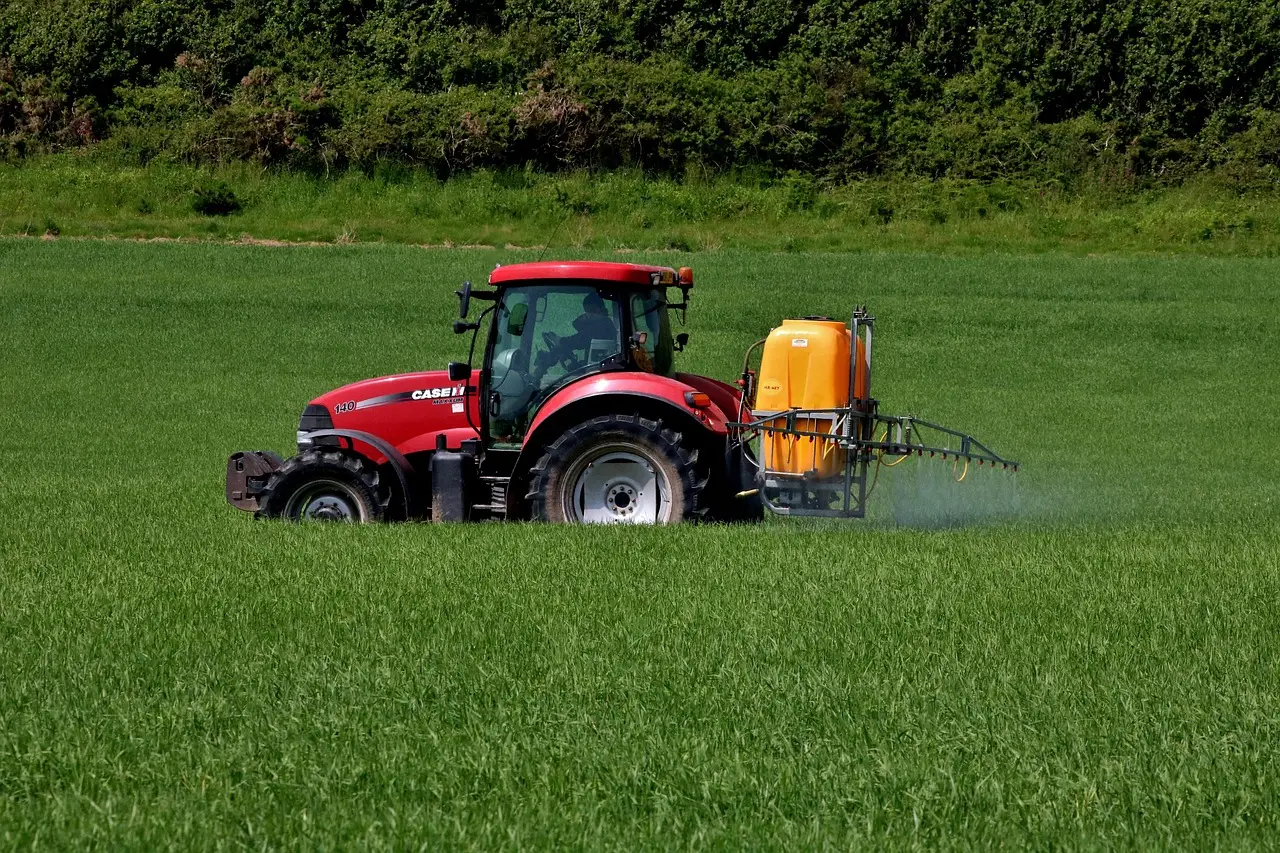
Blocked nozzles and other sprayer faults produce sub-lethal doses, creating what the specialists call creeping resistance. Craven's warning is blunt: survivors of sub-lethal doses may demand increased application rates in later seasons.
What should farmers do next?
Integrated weed management — defined by Theron as combining two or more control methods, at low input levels, to push weed competition below the economic threshold — remains the core answer, because no single herbicide controls a wide enough weed spectrum and continuous use of one product shifts populations toward escapes.
The constraints are real: waiting periods between applications, limited availability of new products, and slow development of new active ingredients.
Theron's closing advice: test for resistance regularly, and investigate suspected cases aggressively rather than letting them spread. Guidance and resistance resources are available at hracglobal.com.
via google.com (Original)
More from Daniel Okafor
Show full bio
Market editor covering money, funding and market shifts around production farming and field operations at Arable Wire.
152 articles
Nearby records
- TL 66Herbicide Carryover Threatens Fall Cover Crops Across U.S. FieldsOctober 10, 2026
- WH 88Pest Resistance Forces US Growers Toward Hybrid Crop ProtectionOctober 2, 2026
- JC 79Webinar to Present New Research on Protecting Sm1 Wheat Midge ResistanceSeptember 29, 2026
- KE 34Before You Cut Herbicide Spending, Ask These Questions FirstOctober 16, 2026
- SV 67Agronomists urge growers to balance risk and reward in autumn weed controlOctober 15, 2026