Indiana Farmers Rewrite Playbooks as Nitrogen Hits $1 Per Pound
Two Indiana farmers took opposite routes against nitrogen near $1 per pound: $160,000 of on-farm storage versus an all-soybean flip that cut inputs by $350,000.
- Entered
- Plot
- 1.6 ha
- Record
- 624 words
- Walk-through
- 3 min
DrillSprayHarvestCurrent stage
Agronomist’s notes
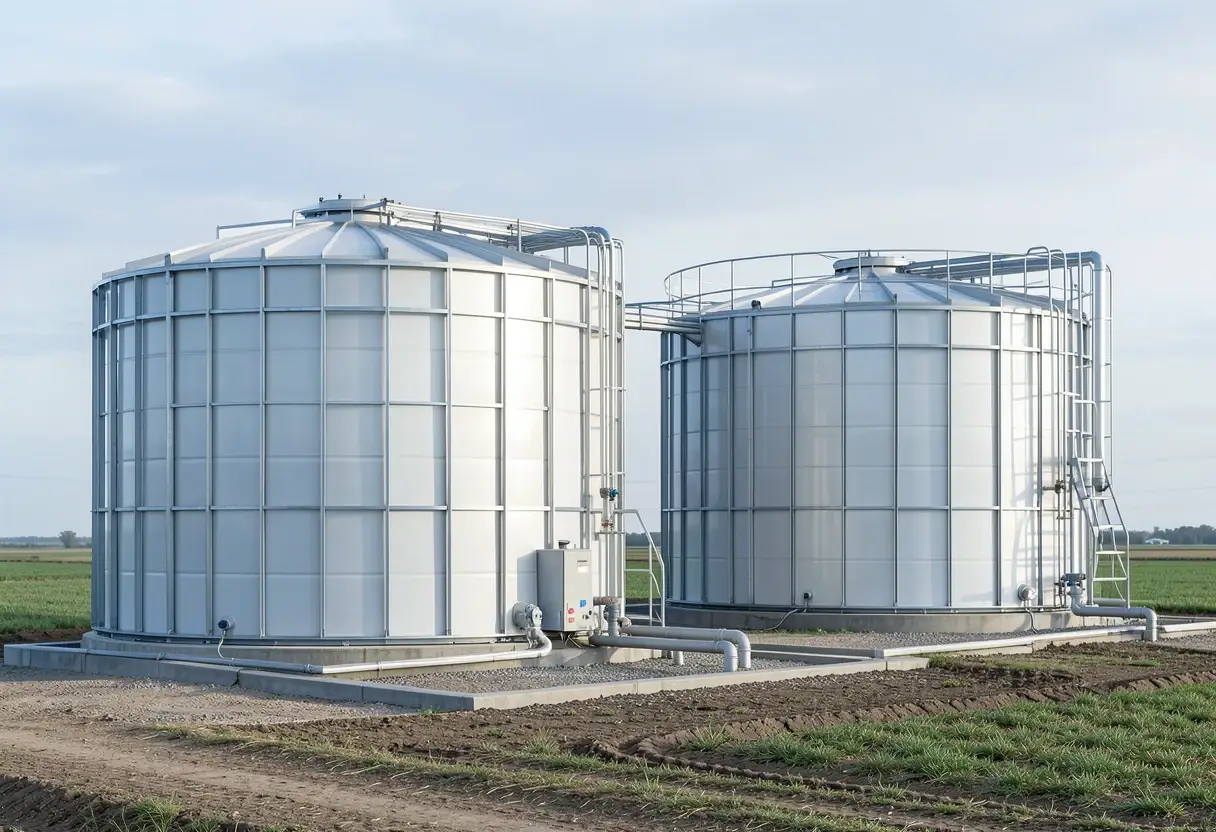
- Brian Scott is investing about $160,000 in two 30,000-gallon nitrogen storage tanks
- Summer-priced nitrogen would have saved Scott $70,000 this season
- Ryan Facemire cut inputs by $350,000 by switching entirely to soybeans
- Soybeans need about 1 gallon of fuel per acre to harvest versus 1.8 for corn
- Facemire contracted 375 acres of wheat at $8 for July delivery
Liquid nitrogen priced at just under $1 per pound at sidedress pushed two Indiana farmers to rewrite their cropping strategies this year — one committing roughly $160,000 to on-farm storage, the other scrapping corn entirely for soybeans and cutting inputs by $350,000.
Brian Scott, who farms at Delphi, Indiana, called nitrogen his highest corn cost after land in 2026. His sidedress application ran about $50 per acre above the spring budget assembled before planting. That gap forced a decision.
Why storage, and why now?
Scott priced two 30,000-gallon liquid nitrogen tanks at slightly under $1 per gallon of storage capacity. He had considered on-farm storage for several years; the tank quote gave him the final push.
"We're trying to turn the odds in our favor, hopefully," Scott said.
The arithmetic is stark. Buying at summer prices rather than in-season rates would have saved him $70,000 this year alone — enough to cover the tanks in the 2026 season by itself. Concrete, plumbing and labor add nearly $100,000, bringing the total investment to about $160,000.
Scott has run this play before. He installed a bulk propane tank three years ago and has cut drying fuel costs in half by buying in bulk.
"It's paying back faster than we penciled out," he said.
His plan now is to take the July nitrogen price once the tanks are operational. He concedes the strategy is imperfect — in-season price swings can cut either way — but expects it to beat paying the in-season price.
What does a $350,000 input saving look like?
Ryan Facemire of Franklin, Indiana, chose a different route. In late March, facing steep nitrogen costs, he calculated he could not reliably hit the breakeven yield of 190 bushels per acre on corn. He switched his entire acreage to soybeans.
"My inputs at that point were $350,000 less," Facemire said. "So kind of as an insurance, having to run that many acres of beans, I bought another combine."
The pivot delivered compounding savings. Soybeans take about 1 gallon of fuel per acre to harvest versus roughly 1.8 gallons for corn. Facemire also hauled about 100 fewer loads to the grain elevator than a corn crop would have required.
"I lucked out," he said. "Going to all soybeans was a good decision. And soybean prices kept going up, and our yields have been average to above average."
Is 100% soybeans back on the table?
Facemire's 2027 plans remain undecided, but the experience has reshaped his thinking on input pricing.
"Going to all soybeans next year isn't out of the picture," he said. "I never thought I'd say I'd run all soybeans again."
Fall 2027 soybeans sitting near $12 make the option hard to dismiss, and lower crop insurance premiums for soybeans strengthen the case further.
He also planted about 375 acres of wheat this year, contracted at $8 for delivery next July. The wheat fits a double-cropping logic: seed $12 double-crop soybeans behind it at 55 to 60 bushels per acre.
"That's the best bang for your buck right there," Facemire said.
What happens next?
Scott continues to chase maximum corn yields while trimming nitrogen rates through annual trials to find his input "sweet spot." He will build the storage this winter, chasing the most economical construction quotes now.
"We're waiting for some people to give us some first quarter nitrogen bids to see what that's going to be and go from there," Scott said.
For other corn growers weighing similar decisions, the first quarter nitrogen bids — and whether the July 2027 price repeats this year's summer discount — will be the numbers to watch.
via Farm Progress (Source)
More from Olivia Hart
Show full bio
News editor covering regulation, policy and their impact on production farming and field operations at Arable Wire.
186 articles
Nearby records
- EZ 54York County corn farm loses thousands to weather extremesSeptember 29, 2026
- CV 27Corn Belt storage capacity faces test as harvest raises space questionOctober 8, 2026
- KS 12Corn Belt Storage Squeeze: Is There Room for This Harvest?October 10, 2026
- ZE 21Claas Puts $10 Million Into Nebraska Research CenterOctober 20, 2026
- UG 26Southern Farmers Face $214 Million Diesel Shock at HarvestOctober 20, 2026