Janel’s 2026 harvest nears its finish after repeated delays
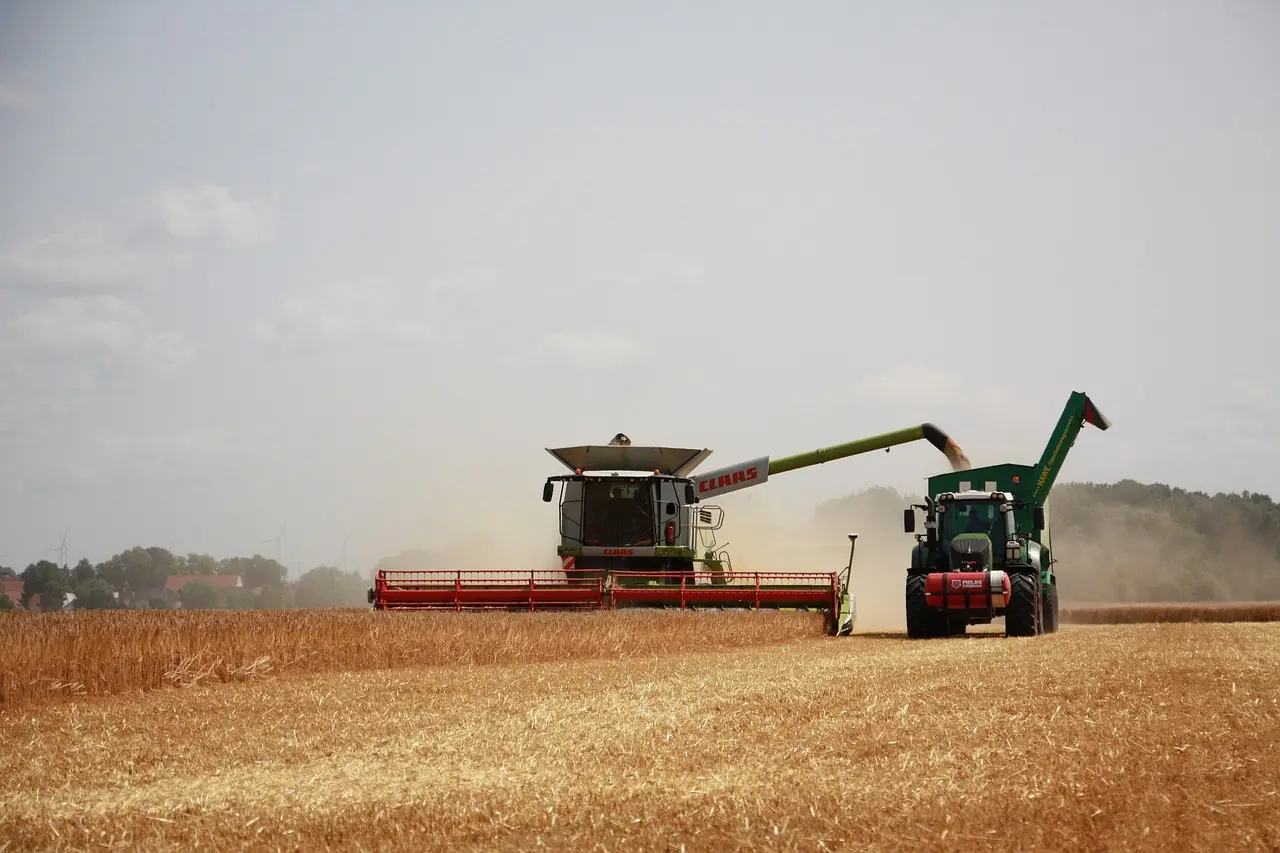
Seven combines are finishing a wet, delay-hit 2026 harvest across Nebraska and Kansas, with good corn yields and test weights but lower-than-usual grain volume.
- Entered
- Plot
- 1.7 ha
- Record
- 690 words
- Walk-through
- 3 min
DrillSprayHarvestPlanning window
Agronomist’s notes
- Seven combines are in use: three at Middle of Somewhere, Nebraska, two back home on corn, and two in western Kansas on milo and sunflowers.
- On November 16, Janel had picked corn for a month and reported good yields and test weights.
- The wet 2026 season brought repeated rain delays and downtime when the operation would normally have finished.
- Fuel prices were slowly decreasing after the election, and Janel expected a further post-harvest fall.
- After working away from home since May, Janel planned to wash and park trucks and equipment before winter; rain was possible next weekend.
Seven combines anchor Janel’s 2026 custom harvest, and on November 16 the operation was still working through a wet, delayed Nebraska corn campaign. The end was in sight, but rain, downtime and fuel-price pressure had made 2026 harder than the busy season Janel wanted.
Where are the seven combines working?
- Three combines are at Middle of Somewhere, Nebraska, where Janel has been picking corn for the past month.
- Two are back at Janel’s home operation, also harvesting corn.
- Two more are in western Kansas, cutting milo and sunflowers.
Janel’s operation spans crops and states, while Janel has been away from home since May. The plan is to return when the final fields are cleared, leaving the difficult 2026 campaign in the rear-view mirror. For a custom harvester, that separation comes with the territory: long days on the road, business risk, uncertain times and weather that can stop a combine in its tracks. Most people, Janel says, would not choose that working life.
Janel grew up in the custom harvesting business and has never lost the appetite for combine time. Janel values looking after customers’ crops, the friendships made at each stop and the camper life that comes with the job. Janel also values harvesting grain that feeds the world and hauling it to the elevator.
Running the combine and driving the trucks remain the parts Janel values most. The inherited priority is blunt: harvest comes first. The 2026 campaign, however, has not delivered the busy run Janel wanted.
A wet fall meant the operation would normally have been finished, but repeated weather delays pushed completion further out. Rain stopped work, downtime followed and fuel prices became another pressure. The season has been, in other words, more waiting than racing.
Janel said the fuel price has been slowly decreasing since the election ended. Janel expects another reduction after harvest because, in Janel’s view, the money has already been spent on fuel. That is an expectation, not a published market forecast.
For a mobile fleet running combines and trucks for months, fuel remains an operating cost that can shape the pace of fieldwork. The irony is plain: a lower fuel price cannot recover the days already lost to rain and downtime.
What do the short elevator lines mean?
Janel’s crop report contains two signals. Janel said: “I’ve been picking corn for the past month, and the yields and test weights have been good.” Yet the elevator lines had not been especially long, which Janel reads as a sign of lower-than-usual yields.
That combination separates quality from quantity in Janel’s account: crop performance and test weights have been good, while the grain reaching the elevator looks lighter than usual. For growers, that is the point to watch. A short elevator queue may mean less waiting at delivery, but Janel’s interpretation points to less grain than usual, not a poorer crop.
Janel’s account gives no acreage or tonnage figure, so the queue and the harvest results should be weighed together before anyone treats the signal as proof of a bumper or a shortfall. The immediate decision is logistical.
Janel says the recent weather has been pleasant and expects sunny conditions with highs in the 50s and 60s, although rain remains possible next weekend. The rain risk matters because the campaign has already absorbed repeated weather delays; another wet interruption would extend the remaining fieldwork and keep the trucks and combines on the road longer.
Janel wants everyone involved to finish safely. Once the last loads move, the plan is to wash the trucks and equipment and park them before winter weather arrives. “I’m ready to get the trucks and equipment washed and parked before winter weather arrives,” Janel said.
For now, the forecast offers a narrow opening rather than a clean bill of health. Farmers should watch next weekend’s rain and the pace at which the remaining combines close out corn, milo and sunflower work. A dry run would bring the washing and parking job closer; a wet one would put more downtime into an already delayed 2026 campaign.
via High Plains Journal (Source)
More from Priya Raman
Show full bio
Senior reporter covering technology and product news in production farming and field operations at Arable Wire.
222 articles
Nearby records
- EK 172026 HRW Wheat Harvest Nears Finish as Spring Crops Move AheadOctober 10, 2026
- WF 15North Dakota Harvest Run Winds Down: Combines Parked, Campers WinterizedNovember 17, 2026
- RM 12Kansas Wheat Commission Posts Day 7 Harvest Report for 2026October 17, 2026
- YP 91Heavy Rains Stall US Corn Belt Harvest as Flooding PersistsOctober 10, 2026
- LB 88Kansas Wheat Harvest Reaches Day Eight as Cutting Pushes OnOctober 19, 2026