Texas citrus shipments lag despite heavier crop loads
Texas citrus shipments reached 80,445 fresh-fruit cartons by October 24, down from 219,613 last year. Bigger crop loads and $38 orange prices offer relief, but sizing and input costs remain problems.
- Entered
- Plot
- 1.8 ha
- Record
- 729 words
- Walk-through
- 4 min
DrillSprayHarvestPlanning window
Agronomist’s notes
- By Oct. 24, the Rio Grande Valley had shipped 80,445 40-pound fresh-fruit cartons, versus 219,613 a year earlier; juice fruit was excluded.
- The Texas Valley Citrus Committee estimates grapefruit production 10% above last season and early-orange production 50% higher.
- Anciso cited wholesale orange prices of $38 per 40-pound carton.
- Amistad Reservoir rose from about 30% to more than 50% of capacity; Falcon Reservoir stood at about 20%.
- The Texas citrus harvest typically runs from October into May and sometimes early June.
By October 24, the Rio Grande Valley had shipped 80,445 40-pound cartons of fresh fruit in the 2026-27 Texas citrus harvest, compared with 219,613 at the same point last year.
Grapefruit and early-orange shipments for the fresh market are running at less than half last season’s pace. Those totals exclude citrus fruit going to juice.
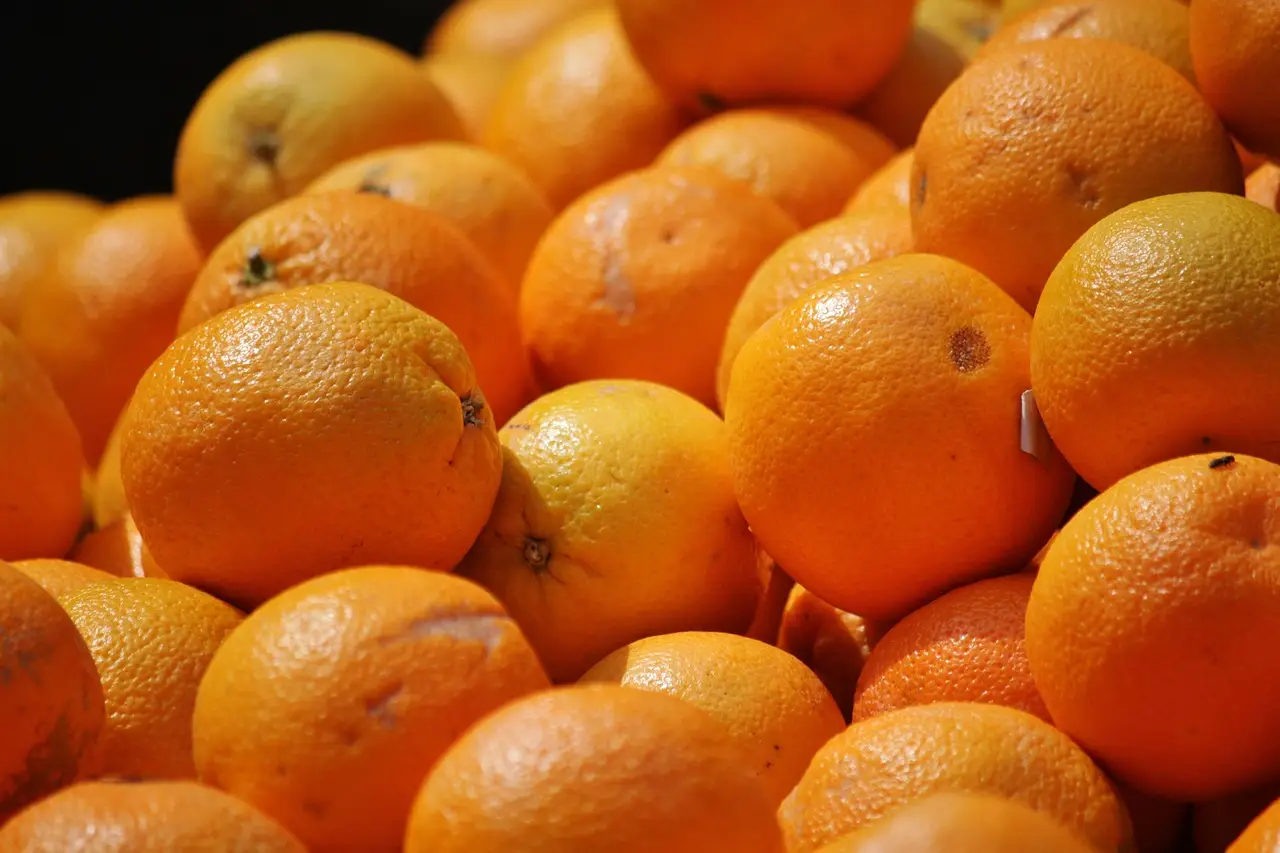
Growers have begun picking grapefruit, early oranges and navel oranges, said Juan Anciso, a Texas A&M AgriLife Extension vegetable specialist and professor. Anciso also serves as associate head of AgriLife Extension in the Texas A&M Department of Horticultural Sciences.
There was virtually no rain in June, July and August. The Rio Grande Valley endured months of intense heat, including extended runs of consecutive days above 100°F. Meaningful rain did not arrive until September and October.
“It’s kind of complex, but I would say the primary culprit is the drought,” Anciso said. “We were very dry this summer, so fruit sizes in oranges, even early oranges and of course grapefruits, haven’t sized up.”
A heavier crop meets a slow start
The orchard and the shipping docket tell different stories. Trees carry more fruit than last season, but fresh-fruit shipments remain well behind.
The first crop estimate from the Texas Valley Citrus Committee projects:
- Grapefruit production about 10% above last season.
- Early-orange production about 50% above last season.
- Late-orange production, including Valencias, about unchanged from last season.
Anciso said crop loads look good, although fruit on the trees has not sized up. The Texas harvest typically runs from October into May and sometimes early June, depending on how much fruit remains, leaving time for improvement. Anciso expects more fruit as picking continues.
Pest pressure has been light this season. Producers have stayed ahead of citrus rust mite infestations.
Melanose, a fungal disease, remains a problem, particularly in groves with dead trees and wood left by Texas’ deadly 2021 winter storm. The fungus lives and reproduces on dead wood, and rain splashes it onto fruit. Blemishes keep that fruit out of the fresh market, though it can still be juiced.
Strong prices, familiar squeeze
Florida’s citrus decline because of citrus greening has opened broader markets for Texas oranges, although the effect on grapefruit has been smaller, Anciso said.
Short supplies of oranges nationally have pushed prices higher. Anciso said he had heard of wholesale prices of $38 for a 40-pound carton.
Grapefruit prices are less clear because demand is lower. Texas varieties, such as Rio Red, appeal to many consumers because of their sweeter flavour.
Growers also face higher input costs, and today’s prices may not hold. Anciso attributed part of the current strength to the small number of orchards being harvested. More groves entering the harvest could pull prices down.
“With those kinds of prices, you should come out ahead,” Anciso said. “But if those prices tend to slide, then that’s where you start getting into situations that, depending on the yield and input costs, profits could be challenging.”
That is the awkward arithmetic: a good headline price does not guarantee a good margin.
What does this change for Texas citrus growers?
It puts more weight on later shipments and on prices holding. The larger crop offers potential volume, but undersized fruit limits what the fresh market can take now. Strong orange prices may provide the cushion; higher inputs and softer prices would remove it. Profitability will turn on yield, prices and input costs, the same three variables Anciso named.
Water improves, but the risk does not vanish
Irrigation water remains a concern for Rio Grande Valley growers. Fall rains have improved reservoir conditions that provide water allotments.
Inflows from the Pecos and Devils rivers lifted Amistad Reservoir from about 30% to more than 50% of capacity. Falcon Reservoir sat at about 20%.
Much of the moisture from this season’s Pacific hurricanes tracked into New Mexico, Arizona, Colorado and Utah rather than the Rio Grande watershed. El Niño rain expected this fall has mostly gone to the desert Southwest so far.
Anciso said there is no doubt Texas remains in the citrus business, despite a tough run of seasons for growers. For now, watch fruit sizing and the shipment pace through the October-to-May window, with wholesale prices likely to react as more orchards begin picking.
via Farm Progress (Source)
More from Priya Raman
Show full bio
Senior reporter covering technology and product news in production farming and field operations at Arable Wire.
222 articles
Nearby records
- KX 20Hurricane Polo dumps 5-10 inches on Southwest, easing Plains droughtOctober 10, 2026
- UP 72Drought Hits Texas Pumpkin Crop, Farm Progress ReportsOctober 14, 2026
- UX 41April heat-then-freeze whiplash hits Northeast fruit and flower farmsSeptember 29, 2026
- MF 54Texas Pumpkin Yields Down 30-40% as Drought Forces Early HarvestOctober 14, 2026
- XS 84Oklahoma Cotton Harvest 51% Complete After Heat-Drought SeasonNovember 17, 2026