MSU long-term data: regenerative practices lift yield stability
- Entered
- Plot
- 0.5 ha
- Record
- 180 words
- Walk-through
- 1 min
DrillSprayHarvestCurrent stage
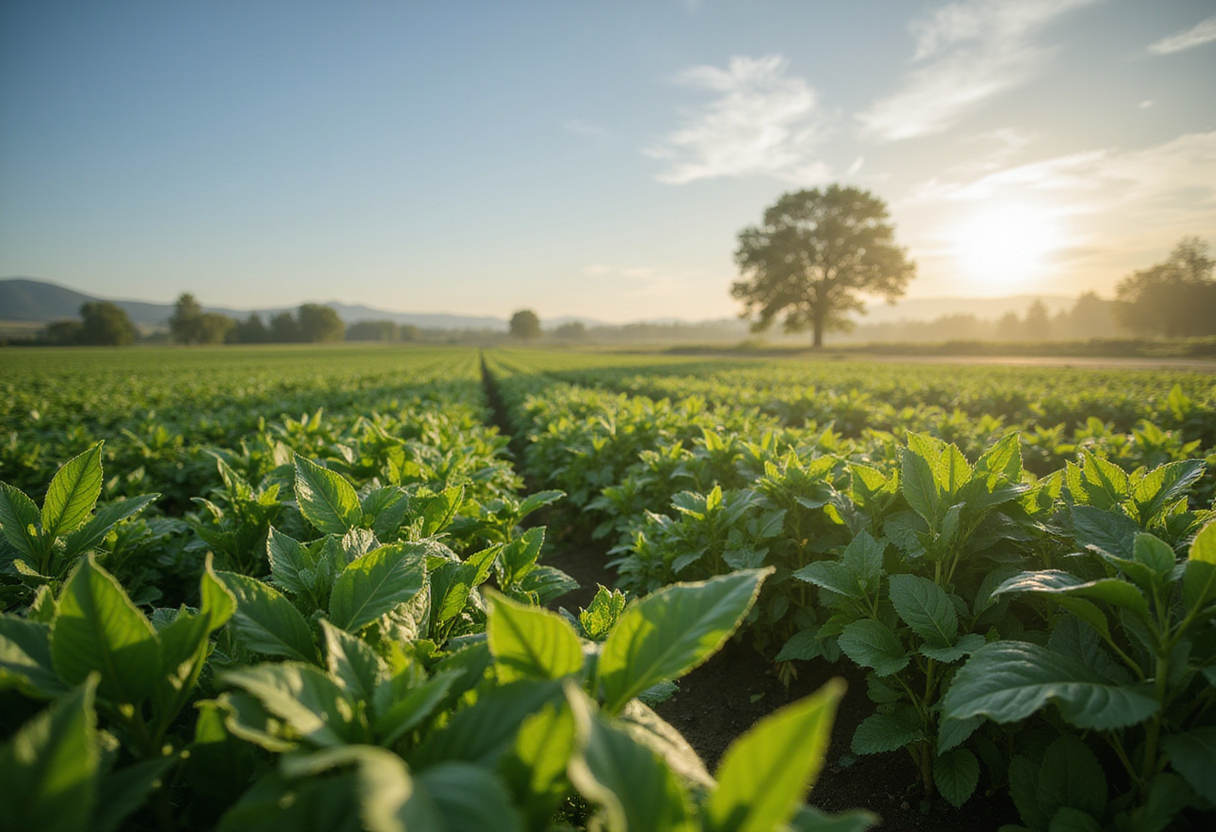
Twenty-eight years of yield records from Michigan State University's Long-Term Ecological Research site at Kellogg Biological Station show regenerative management practices improve yield stability and farm resilience.
The analysis, published in Agriculture, Ecosystems & Environment and reported by MSU, draws on continuous corn, soybean and wheat harvests from 1994 through 2022. It compares four management systems: conventional, no-till, low-input and organic.
The key finding: yields under regenerative systems were lower on average than conventional in some years, but far more stable. Conventional corn yields swung by roughly 50% between the best and worst years of the study period. Under biologically based management, that spread narrowed to about 30%.
"Yield stability is as important as yield magnitude," said Phil Robertson, MSU University Distinguished Professor and study co-author. "A farm that yields 10% less but predictably is often more profitable and more resilient than one that chases peak yields with high inputs."
The mechanism is water. No-till and cover-cropped systems built soil organic matter and improved infiltration, buffering drought years such as 2012 and 2012-...
via Google News: soil health farming (Source)
More from Olivia Hart
Nearby records
- JS 88Regenerative practices cut costs and rebuild soil, Indiana farmer reportsSeptember 29, 2026
- VW 47Farm Progress asks whether Kernza can deliver on soil health goalsSeptember 30, 2026
- CL 77Kansas wheat harvest day six: yields hold above expectationsOctober 3, 2026
- BB 82US Corn Good/Excellent Rating Slips to 60% as Maturity AdvancesOctober 3, 2026
- PW 96Ohio Farm Bureau publishes switch guide for regenerative farmingSeptember 29, 2026