Teagasc: slurry closed period rests on 30-year-old science
Teagasc's Edward Burgess says the slurry spreading closed period, in practice since 2006, follows 30-year-old hydrology science — and the deadlines are not random.
- Entered
- Record
- 581 words
- Walk-through
- 3 min
DrillSprayHarvestPlanning window
Agronomist’s notes
- The closed period for slurry spreading was first introduced in 1996 and has been in practice since 2006.
- Teagasc catchment specialist Edward Burgess says the hydrology and nutrient-loss science behind the rules has not changed in 30 years.
- Deadlines are dictated by light, crop demand, hydrology and nutrient supply, not rainfall.
- Agriland reporting linked to the same coverage found 43% of farms inspected in 2025 were deemed non-compliant.
- Burgess says winter-applied nitrate with low crop demand is highly susceptible to leaching into waterways or the atmosphere.
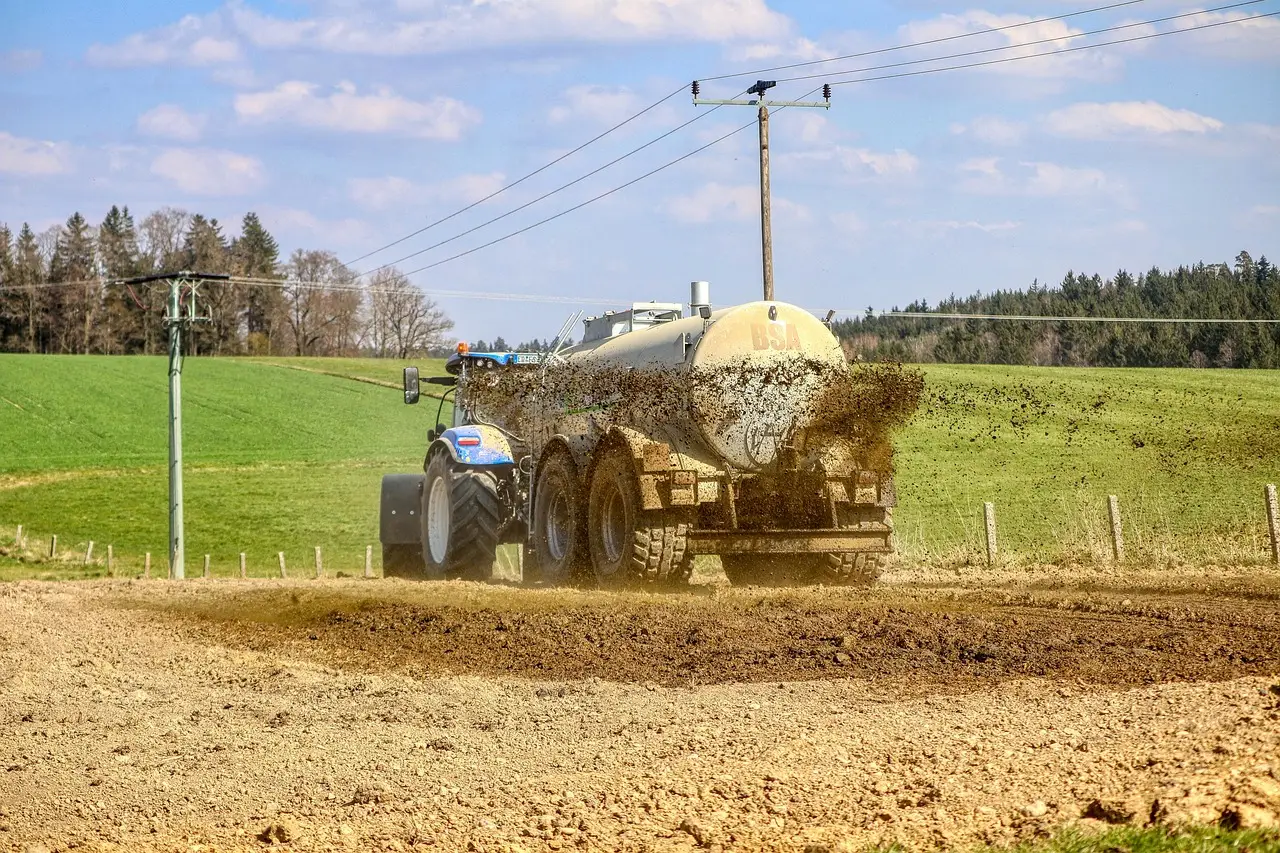
The closed period for slurry spreading was first introduced in 1996 and has been in practice since 2006, and the science behind it has not shifted in the 30 years since.
That is the short version of Edward Burgess's defence of a rule set that every wet Irish spring turns into a political grievance. Burgess, an agricultural catchment specialist with Teagasc, told the Teagasc Water Quality Conference that the hydrology and nutrient-loss evidence which produced the dates still stands, and is arguably more urgent.
What makes the closed period such a hot topic?
2026 has been a year of hit-and-miss weather, and the complaint has a familiar shape. Restrictions technically lift, but a poor spring leaves ground so soft that field trafficability for slurry spreading is, in practical terms, impossible. Then the back end of the year turns generous: easy travelling, workable ground, clean lanes — and the closed period has already shut the window.
Burgess does not accept that this frustration identifies a flaw in the rule. His argument runs the other way: the calendar is a product of the science, not a substitute for it.
What does the closed period actually change?
It changes what happens to the nitrogen you have already paid for. The reasoning behind the closed period rests largely on grass growth. As daylight falls back and soil temperatures drop, grass growth tapers off through the winter months. When growth reduces, the plant demands less nitrogen.
Why does that matter for water quality?
Burgess's explanation was blunt: "Any additional nitrogen in the form of nitrate on the ground over the winter period while crop demand is low is highly susceptible to leaching into waterways or the atmosphere."
He set out the mechanism in plain terms. Because the plant does not require those nutrients, they sink below the root level of the plant where they cannot be utilised, and will eventually wash away. In other words, slurry applied in the closed window is money the farmer has paid for and the crop cannot use.
So are the deadlines just random dates?
No. Burgess was explicit at the conference: "The deadlines are not dictated by rainfall, nor are they just random dates. They are dictated by light, crop demand, hydrology, and nutrient supply."
Which means a wet March does not shorten a closed period, and a dry October does not open one. The restrictions may feel disconnected from the weather in the field. They are, by design, disconnected from the calendar in the almanac.
Is this new regulation?
No. The closed period was introduced based on science in an effort to minimise pollution while maximising nutrient uptake, Burgess said, and the science from 30 years ago on hydrology and nutrient loss "has not changed, and if anything, has become even more critical."
What are farmers actually arguing about?
Enforcement, largely. Agriland reporting linked from the same coverage found 43% of farms inspected in 2025 were deemed non-compliant, the kind of record that fuels the charge of arbitrary dates. A separate Northern Ireland motion has called for slurry regulations to be based on ground conditions rather than the calendar — the same grievance in legislative form.
What should farmers watch next?
Whether Teagasc's hydrology evidence survives closer scrutiny, and whether the calendar approach gives way to ground-condition triggers in future regulation. Until that happens, the practical answer is uncomfortable but clear: plan storage capacity around the dates rather than around the weather forecast.
via cdn.agriland.ie (Original)
More from Priya Raman
Show full bio
Senior reporter covering technology and product news in production farming and field operations at Arable Wire.
231 articles
Nearby records
- Slurry closed period starts October 8 — two days left to spreadOctober 10, 2026
- Dairy washings deadline: tanks must be empty before TuesdayNovember 27, 2026
- One-week slurry spreading extension confirmed until October 7October 10, 2026
- Saturated soils: machinery choices that decide ground damageOctober 31, 2026
- November High Pressure Extends Irish Grazing and Eases Silage FearsNovember 2, 2026