November High Pressure Extends Irish Grazing and Eases Silage Fears
High pressure in early November keeps Irish cattle grazing, shortens the 2026/2027 housing window and opens a late planting window for winter cereals after potato, maize and beet harvests.
- Entered
- Plot
- 1.2 ha
- Record
- 490 words
- Walk-through
- 2 min
DrillSprayHarvestPlanning window
Agronomist’s notes
- High pressure at the beginning of November 2026 brings dry weather to Ireland for the coming week and possibly beyond.
- Extended grazing in November 2026 will shorten the 2026/2027 winter on farms struggling with silage stocks.
- Dry land following the 2026 drought has kept ground conditions firm despite recent rain.
- Warm temperatures have raised aphid numbers and BYDV risk in winter cereals, but BYDV-tolerant winter barley varieties are increasingly available.
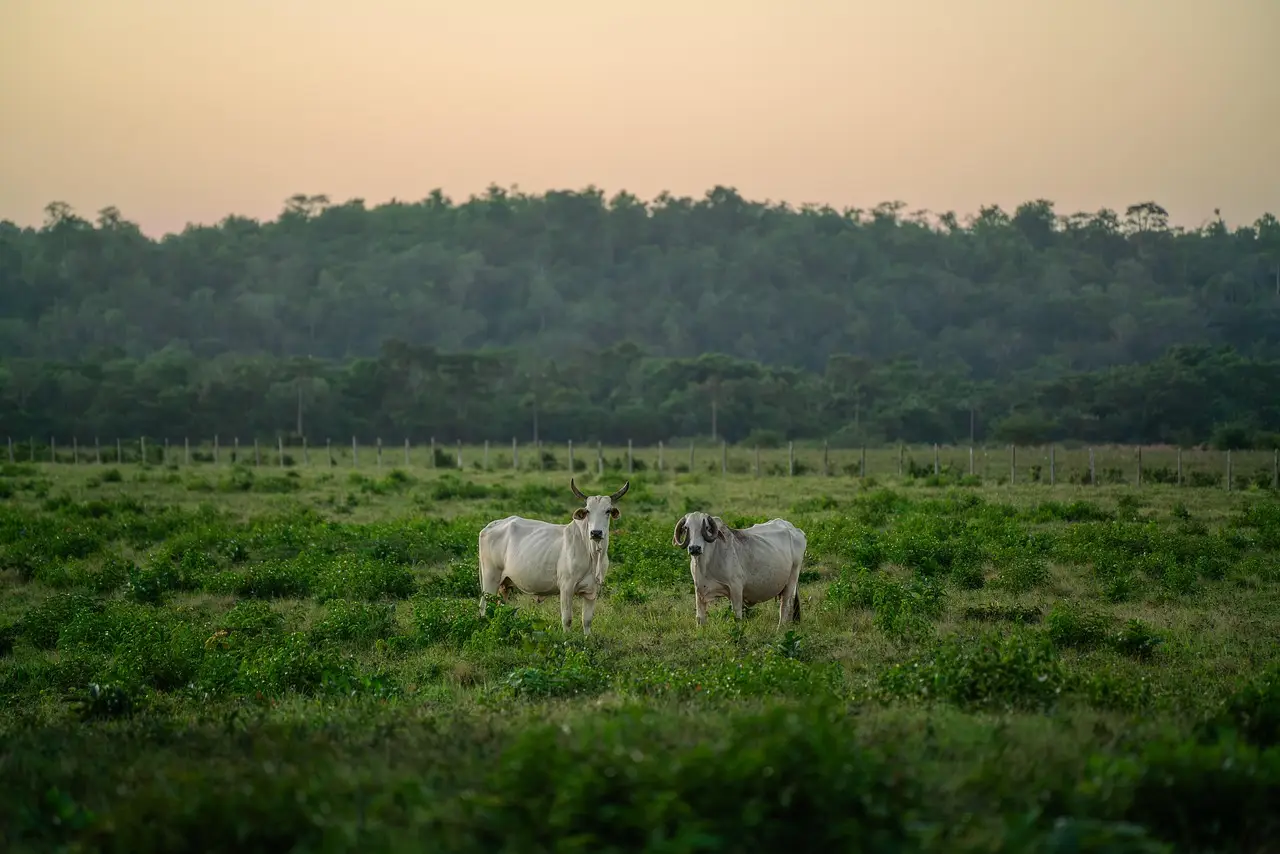
High pressure building over Ireland at the beginning of November has delivered what many livestock farmers have waited months to hear: dry weather for the coming week and possibly beyond, with grass still growing and ground conditions improving under cattle.
The immediate consequence is that animal growth rates can be maintained while stock keep grazing over the coming weeks. For farms that have struggled with silage stocks since the 2026 drought, the arithmetic matters more than the forecast. Every extra grazing day now shortens the winter of 2026/2027 and cuts the tonnage that must come out of a clamp or off a baler.
Why the ground is holding
The drought of 2026 left one very tangible benefit: land remains dry. Much needed rain has fallen over recent weeks, but not in quantities that have deteriorated ground conditions. The very opposite has happened, according to the Agriland assessment. Late grass growth has thickened swards to the point where they can cope with even the heaviest cattle.
That combination — dry soil beneath, dense leaf above — is what makes extended grazing possible into November. Scientists predicted exactly this pattern as a direct consequence of climate change impacting Ireland: longer grazing seasons as temperatures rise. The current spell suggests those forecasts are beginning to bite, at least this year.
What changes for tillage growers?
The settled weather also opens a planting window for winter cereals. Ground conditions are on the up, and growers can plant after potatoes, maize and beet have been harvested — a sequence that wet Novembers routinely destroy.
One threat comes with the warmth. High air temperatures have encouraged aphid numbers, and aphids carry Barley Yellow Dwarf Virus (BYDV) into winter cereals. The risk is real but not unchecked:
- Winter barley varieties with a degree of BYDV tolerance are increasingly available.
- Genuine BYDV resistance across all cereal varieties is promised further down the breeding pipeline.
Growers weighing a late November drilling should factor aphid pressure into seed-rate and variety decisions rather than rely on the calendar alone.
A fair roll of the dice
September and October 2026 delivered the kind of settled autumn that Irish farmers rarely get back to back. Agriculture remains the one profession truly dependent on the weather throughout the year, and the underlying pattern is now changing: more extremes of heat, cold, rain and snow can be expected.
The working assumption, though, is that Mother Nature will still deliver a level playing field for those prepared to work with her. After the drought of the summer, farmers deserve a fair roll of the dice. This November, for graziers and tillage growers alike, the dice have landed kindly.
What farmers should watch next: whether the high pressure holds beyond the coming week, how quickly aphid flights build in the warm air over emerging winter barley, and whether the shortened housing period for 2026/2027 translates into measurable savings on silage and imported feed by the new year.
via cdn.agriland.ie (Original)
More from Tom Whitfield
Show full bio
Staff writer covering regulation, policy and their impact on production farming and field operations at Arable Wire.
180 articles
Nearby records
- QR 3938% of Irish farms below grass cover target as growth slipsOctober 17, 2026
- FN 72Grass Growth Slips to 53kg DM/ha as Farmers Move to Close PlatformOctober 10, 2026
- VH 98Slurry closed period starts October 8 — two days left to spreadOctober 10, 2026
- PM 71Saturated soils: machinery choices that decide ground damageOctober 31, 2026
- EP 83Grass growth falls to 31kg DM/ha as grazing season nears its closeOctober 31, 2026