Undercover farming offers no shortcuts, Western Cape conference hears
Protected cropping offers a R5,4bn–R8,6bn opportunity, but Western Cape speakers warned growers: secure the market, the genetics and functional roots before the tunnel.
- Entered
- Plot
- 1.9 ha
- Record
- 763 words
- Walk-through
- 4 min
DrillSprayHarvestCurrent stage
Agronomist’s notes
- Tshogofatlo Matlala of GreenCape estimated undercover production at a R5,4 billion to R8,6 billion investment opportunity
- The Western Cape Undercover Farming Conference and Expo ran on 21 and 22 October in Groot Drakenstein
- Agrilogiq CEO Joël van der Schyff identified vapour pressure deficit as the key climate data point for steering greenhouse crops
- Delegates visited Cultura Fresh's hydroponic lettuce operation and Stellenbosch University's HortiDemoCentre
Protected cropping in South Africa represents a potential R5,4 billion to R8,6 billion investment opportunity, delegates at the Western Cape Undercover Farming Conference and Expo heard on 21 and 22 October. The event, held in Groot Drakenstein, drew a clear conclusion: tunnels and shade netting deliver returns only when they sit inside a commercially sound production system.
Tshogofatlo Matlala, a water and sustainable agriculture graduate trainee at GreenCape, set the financial framing for the two days. She argued that growers and financiers should stop treating undercover infrastructure as insurance and start treating it as an asset class.
“Undercover farming infrastructure should be viewed not merely as a defence and risk-mitigation measure, but as a high-return, bankable capital asset,” she said.
Her estimate spans the full range of protected cropping, from shade netting through to more intensive tunnel infrastructure. The message for growers weighing capital spending: the case for tunnels rests on what they add to output and revenue, not on what they shield against hail or heat.
Where does the production system start?
Dr Miekie Human, science and policy manager at the South African National Seed Organization, placed genetics at the front of the chain. In her keynote she said: “Without seed, there is nothing.”
Human argued that plant breeding keeps evolving as producers confront climate variability, disease pressure, shifting consumer demands and pressure to cut food losses. She pointed to high-throughput phenotyping, molecular markers and precision breeding as tools that let breeders select useful traits faster and build varieties better matched to future production conditions.
“Plant breeding isn't something that has stopped changing. It's always evolving,” she said. “Every meal begins with innovation. Some are centuries old, some are cutting edge.”
For tunnel growers, the implication is direct: infrastructure decisions made before variety decisions lock the operation into genetics that may not suit the controlled environment.
What did the economist warn about?
Paul Makube, senior agricultural economist at FNB, told growers to secure a market before committing capital. “You don't go into this environment without knowing where you're going to sell. You have to know exactly what your market is,” he advised.
Makube warned that cash flow in capital-intensive enterprises is especially exposed to movements in prices, production volumes and operating costs. “Small price and volume changes can erase cash very quickly,” he said. A tunnel enterprise with heavy repayment obligations cannot absorb a soft price cycle the way an open-field operation can.
Which data should steer the crop?
Joël van der Schyff, co-founder and CEO of agricultural automation provider Agrilogiq, said greenhouse climate control should follow crop response rather than temperature readings alone.
“The most important data point we use on the climate side to steer crops in greenhouses is VPD [vapour pressure deficit],” he said.
VPD combines temperature and relative humidity to indicate how readily a crop loses water through transpiration. Van der Schyff framed the commercial equation as a balance between control and cost: “The biggest challenge is managing your energy costs versus your output.”
Why do roots matter more than fertigation?
Nerine Koch, an agricultural scientist at Vireo Agri specialising in plant nutrition and crop protection, cautioned that sophisticated fertigation systems cannot rescue damaged or poorly functioning roots.
“The roots mustn't just be there; they must be fully functional,” she said. Koch explained that root-zone acidification can restrict calcium uptake and weaken fruit development even when the grower has applied sufficient fertiliser. An advanced dosing system pushing nutrition at a compromised root zone simply wastes input spend.
How early do quality losses begin?
Dr Ida Wilson, an independent specialist consultant in crop systems, told producers to look past visible symptoms when diagnosing postharvest damage.
“The visible postharvest problem could be an expression of a failure earlier in the system, but this failure isn't always visible,” she said.
Wilson listed planting material, water quality, calcium uptake, flower-stage infection, spray accuracy, harvest maturity and cooling as factors that shape the produce eventually delivered to market. “The minute your produce has been harvested, it starts to decline. Don't diagnose damage in isolation. Look at the entire system,” she warned.
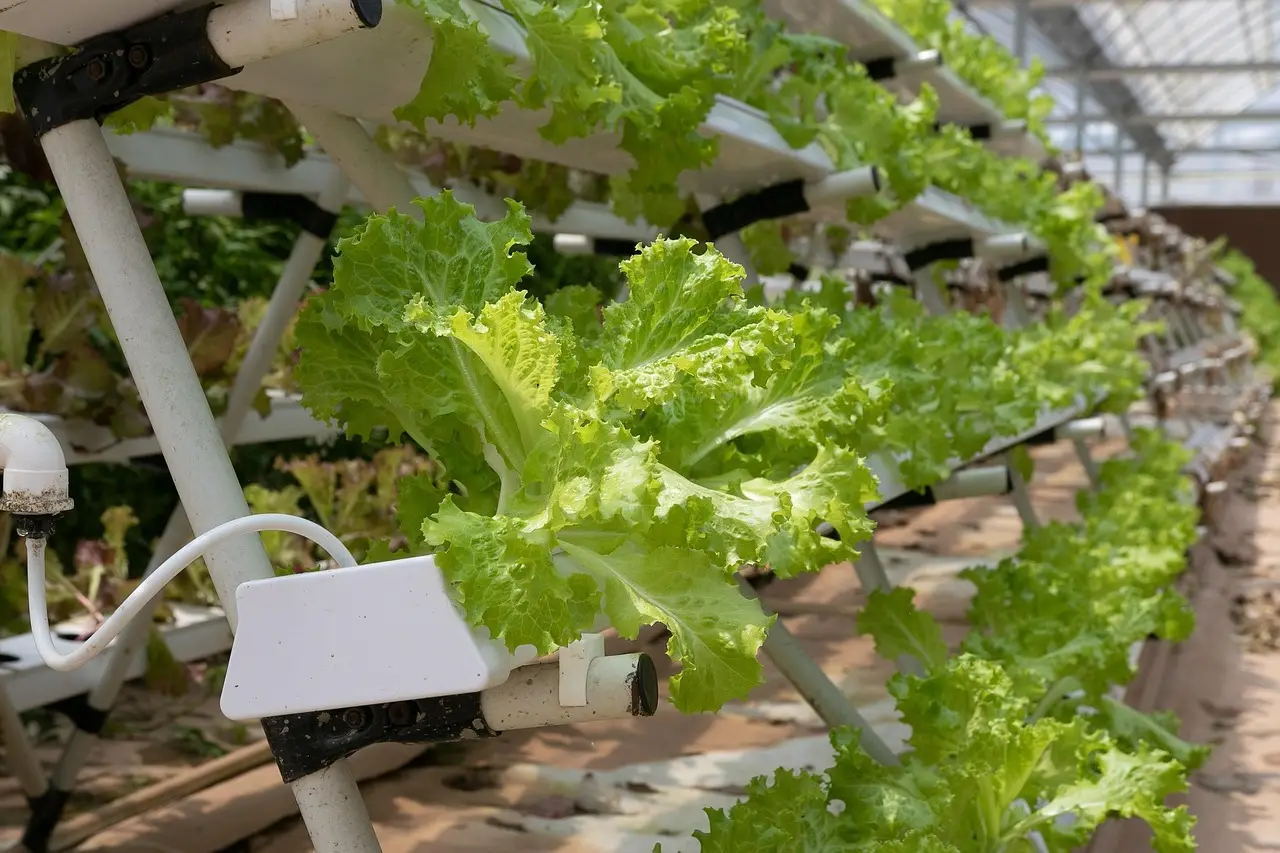
Delegates closed the programme with field visits that translated the conference themes into working production. At Cultura Fresh they saw hydroponic lettuce grown under protective structures, and at Stellenbosch University's HortiDemoCentre they viewed integrated greenhouse technologies used for research, training and commercial-scale trials. Growers planning undercover investments should watch these demonstration sites as the next round of trial results and training programmes emerges.
via google.com (Original)
More from Tom Whitfield
Show full bio
Staff writer covering regulation, policy and their impact on production farming and field operations at Arable Wire.
169 articles
Nearby records
- FB 90Kirkwood irrigator Pieter Nortjé named 2026 Grain SA/Syngenta Producer of the YearOctober 27, 2026
- WJ 78Agroforestry gains ground as UK climate resilience tool, FW reportsOctober 14, 2026
- AA 63Costs and dry weather put South Africa's wheat harvest on edgeOctober 13, 2026
- DR 85Dams at 90% but El Niño Threat Demands Cash Flow PlanningOctober 15, 2026
- QQ 94Saskatchewan harvest hits 93%, provincial crop report showsOctober 15, 2026