US crops face late-summer stress as heat, wildfire smoke and uneven rain spread
US corn and soybean ratings slipped as heat, wildfire smoke and uneven rain pressured crops during the critical late-summer window, with dryness and smoke concerns growing.
- Entered
- Plot
- 0.7 ha
- Record
- 298 words
- Walk-through
- 1 min
DrillSprayHarvestCurrent stage
Agronomist’s notes
- USDA rated 68% of corn good to excellent, down from 72% the prior week, and 63% of soybeans good to excellent.
- Heat during corn pollination can significantly reduce kernel set and yields, while wildfire smoke reduces sunlight and photosynthesis.
- Rainfall was uneven, and continued dryness could further reduce yield potential; smoke exposure has also led to poor seedling germination test results.
US crops face late-summer stress as heat, wildfire smoke and uneven rain spread
Corn and soybean ratings slip while dryness and poor smoke test results raise harvest concerns
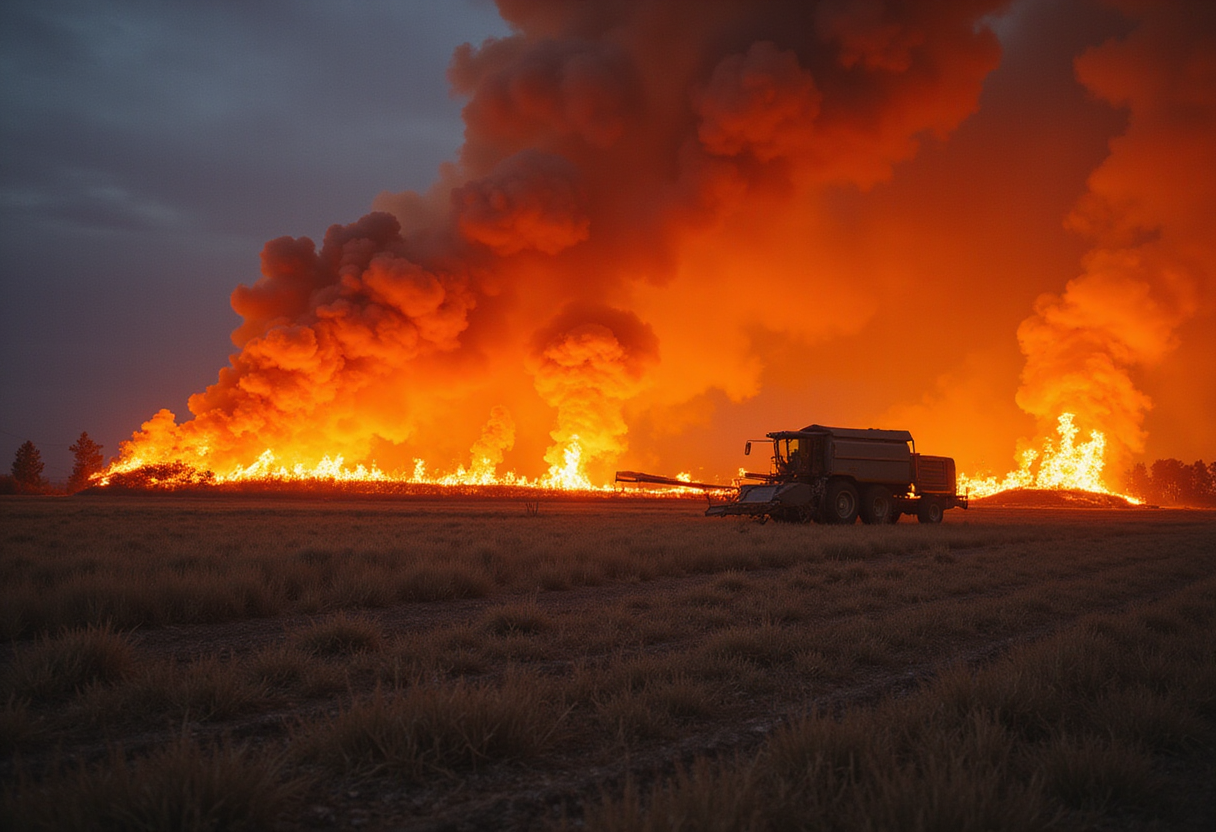
US crops are entering the critical late-summer window under mounting weather stress, with heat, wildfire smoke and uneven rainfall combining to pressure corn and soybean fields across several production regions.
The latest USDA crop progress report shows 68% of the corn crop rated good to excellent, down from 72% a week earlier. Soybeans saw a similar decline, with 63% rated good to excellent. The drops point to deteriorating conditions during a period when weather determines final yield potential.
Heat has been a major driver. High temperatures have stressed pollinating corn and filling soybeans, and the report notes that excessive heat during corn pollination can significantly reduce kernel set and final yields. Wildfire smoke has added a separate layer of stress, with the smoke reducing sunlight and affecting photosynthesis at a time when crops need energy for grain fill.
Rainfall has been uneven. Some regions received beneficial moisture, while others stayed dry, and the report warns that continued dryness could further reduce yield potential. The scattered pattern leaves parts of the Corn Belt with building soil moisture deficits as the filling period continues.
The report also flags an unusual quality concern: smoke exposure has led to poor seedling germination test results in some areas. The finding suggests wildfire impacts may extend beyond this season's yield into seed quality and next year's planting decisions.
Looking ahead, the report says upcoming weather will determine whether crops can stabilize or whether conditions deteriorate further. Farmers should watch the next round of USDA progress data and near-term forecasts for rain and heat, which will shape expectations for the 2024 harvest.
via Google News: farming weather (Source)
More from Olivia Hart
Nearby records
- PM 82Drier Weather Moves Into Corn Belt as Strong El Niño BuildsOctober 3, 2026
- EZ 54York County corn farm loses thousands to weather extremesSeptember 29, 2026
- SS 66US Crop Watch: Heat Stress Builds as Bertha Redirects Weather RiskOctober 3, 2026
- VE 82US Farm Weather: Midwest Rains Build as Southern Heat Drains Soil Moisture - AgroLatamOctober 3, 2026
- NR 66Plains Heat Builds While Northwest Rains Delay PlantingOctober 3, 2026