Missouri farmer tops 200 bushels per acre on 1,400 corn acres
Missouri Corn Growers president Patrick Seyer topped 200 bushels per acre on 1,400 acres near Oran, Mo., despite August heat, fertilizer costs and a compaction layer he fights with cover crops.
- Entered
- Plot
- 1.6 ha
- Record
- 649 words
- Walk-through
- 3 min
DrillSprayHarvestPlanning window
Agronomist’s notes
- Patrick Seyer harvested above 200 bushels per acre on 1,400 acres of corn near Oran, Missouri.
- A two-to-three week August heat spell shut plants down early and likely trimmed yields.
- Fertilizer prices were the biggest cost pressure, rising alongside commodity prices.
- Seyer plants cereal rye cover crops and will trial deeper-rooted annual rye next year to fight compaction.
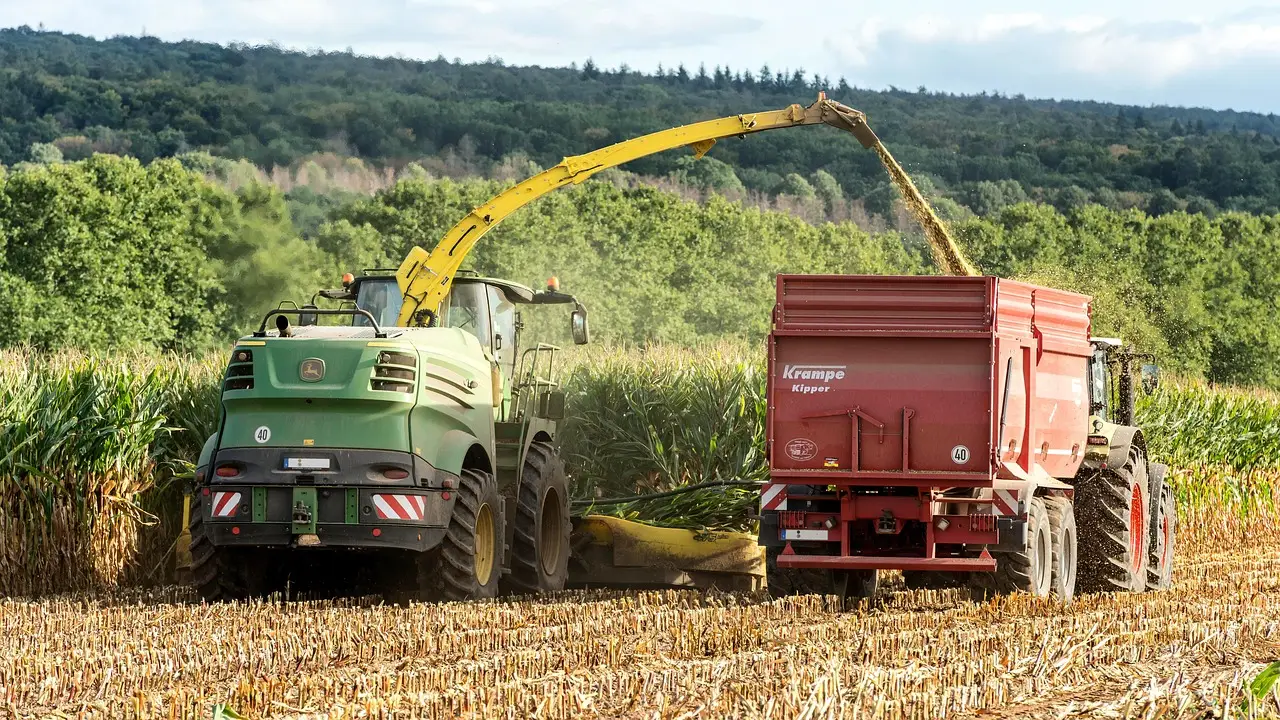
Patrick Seyer harvested above 200 bushels per acre of corn this season on his 1,400 acres near Oran, Missouri — a result he calls above average, even if neighbors in the southeastern corner of the state expected a bit more.
"We had a better-than-average corn crop," said Seyer, the newly named president of the Missouri Corn Growers Association. "Most people down in this area expected it to be a little bit better, but it still ended up being above average."
He made the comments in early November while running the combine through soybeans, with the corn already in the bin.
What held yields back?
Seyer said there were not many negative factors during the growing season for corn farmers in his region. The hardest stretch came in late summer.
"It got really hot back in August, and it lasted for about two to three weeks," he said. "And that might have cut back some of our yields. It shut the plants off sooner than what we were expecting."
That heat snap effectively shortened grain fill. Everything else, though, cooperated: the region enjoyed ideal moisture conditions throughout the summer, and when the crop came off, it came off dry.
"Most everybody down here didn't have to spend much time going through the dryer," Seyer said. "It dried down the field faster than we could get it harvested."
That matters for the bottom line. Bypassing the dryer (the heated storage unit that reduces kernel moisture to safe storage levels) cuts propane and handling costs at a time when fuel prices were already pinching Seyer's operation.
His input strategy split along seed lines. Seyer plants both GMO and non-GMO varieties of corn, and he used barely any fungicides on the GMO corn. The non-GMO acres needed a little more spray passes to hold disease back.
Where did the money go?
Fertilizer was the input that hurt the most.
"The price of fertilizer is just a pain for us right now," Seyer said. "When the price of our commodity goes up, the price of fertilizer goes up too. That shouldn't have a bearing on it, but that's where we rolls."
That coupling — fertilizer climbing in step with corn prices rather than with natural gas or production costs — is a familiar frustration for Midwest growers, and it compressed margins on an otherwise strong crop. Fuel prices added a second layer of pressure on everything from fieldwork to hauling.
Why he sticks with cover crops
Seyer calls himself a strong advocate for cover crops, and his reasons are concrete. Since planting them, he has watched his soil structure improve, his organic matter levels build and his erosion problems shrink.
"I see my soil structure seems to be getting better," he said. "I've been building some organic matter levels with the cover crops, and my erosion issues are not as bad."
The clearest signal, he said, is at the field edge: water running off clear instead of muddy. Cover crops have also helped him hold soil against wind erosion.
His primary species is cereal rye, but next year he plans to trial annual rye, which puts down a deeper root. The target is a compaction layer that still plagues parts of his ground.
"We're battling a compaction layer, and we're hoping that the cover crops will take care of it," Seyer said. "But we're still having to pull a ripper (a deep-tillage implement) through to break up that hard layer."
What to watch next
For growers tracking Seyer's approach, the next data point comes in spring 2027, when his annual rye test goes in the ground. If the deeper-rooted species breaks through the compaction layer, it could replace at least one ripper pass — a fuel and machinery saving that compounds with the fertilizer and drying costs he already trimmed this season.
via Farm Progress (Source)
More from Daniel Okafor
Show full bio
Market editor covering money, funding and market shifts around production farming and field operations at Arable Wire.
175 articles
Nearby records
- BX 75USDA crop progress: corn harvest hits 60% as soybeans pass averageOctober 30, 2026
- HZ 17Nebraska corn yields fall 20-30 bushels as tar spot meets weatherOctober 30, 2026
- EZ 54York County corn farm loses thousands to weather extremesSeptember 29, 2026
- JJ 37Soybeans Done, Corn at 200–250 bu/ac: Iowa Harvest RollsOctober 19, 2026
- SK 17US Corn Harvest at 33%, Six Points Behind NormalOctober 16, 2026