Florida citrus growers test new defences against greening
Florida citrus acreage has fallen from more than 600,000 acres in 2000 to about 200,000 in 2025. Researchers are testing lime-green mesh and insecticide-treated covers against psyllids.
- Entered
- Plot
- 2.0 ha
- Record
- 795 words
- Walk-through
- 4 min
DrillSprayHarvestPlanning window
Agronomist’s notes
- Florida citrus acreage fell by about 400,000 acres, from more than 600,000 in 2000 to around 200,000 in 2025.
- Dade County recorded the first discovery of citrus greening, or HLB, in 2006.
- More than 1 million Florida citrus trees were growing under individual protective cover by 2023.
- A lime-green mesh beanie for trees older than three years could cost as little as $1.
- Citrus farms abroad may spray insecticide as often as every five days to manage psyllid loads.
By Tom Whitfield
Florida citrus acreage has fallen from more than 600,000 acres in 2000 to around 200,000 acres in 2025. Citrus greening, or HLB, killed 400,000 acres of trees rather than merely removing them from production.
South Florida still attracts visitors for sun, sand and citrus, but the groves that once supplied abundant fresh-squeezed Florida orange juice now stand dead. Remaining growers keep investing in the sector and in practical answers, even as conventional control has failed.
Why has citrus greening not stopped growers?
University of Florida researcher Fernando Alferez left Spain for Florida shortly before Dade County recorded the first discovery of HLB in 2006. He returned to Spain, then came back in 2017 to an altered citrus production model and began reviewing trial plots at the Southwest Florida Research and Extension Center.
Alferez said: “It’s not easy to grow here.” He also relayed the growers’ attitude: “We are here because we are sixth generation or seventh generation, and it’s not going to die with me.” “They are trying everything to keep going.”
Psyllids provide the biological route to that loss. These pin-sized insects feed during tree flush periods and are drawn to fresh shoots. “The insect feeds on shoots, on the flowing sap within the tree, and inoculates the bacteria in the phloem stream in the plant’s vasculature,” Alferez said.
Bacteria accumulate and trigger an immune response that harms the tree rather than saving it. The resulting stress builds callous deposits throughout the tree’s nervous system and prevents carbohydrate transport to roots and leaves. Neither resistant varieties nor conventional insecticide use has proved effective against this process.
What are individual protective covers changing?
Alferez first published his individual protective cover research in 2021. By 2023, more than 1 million Florida citrus trees were growing under fine mesh that excludes psyllids while trees grow through their critical first years.
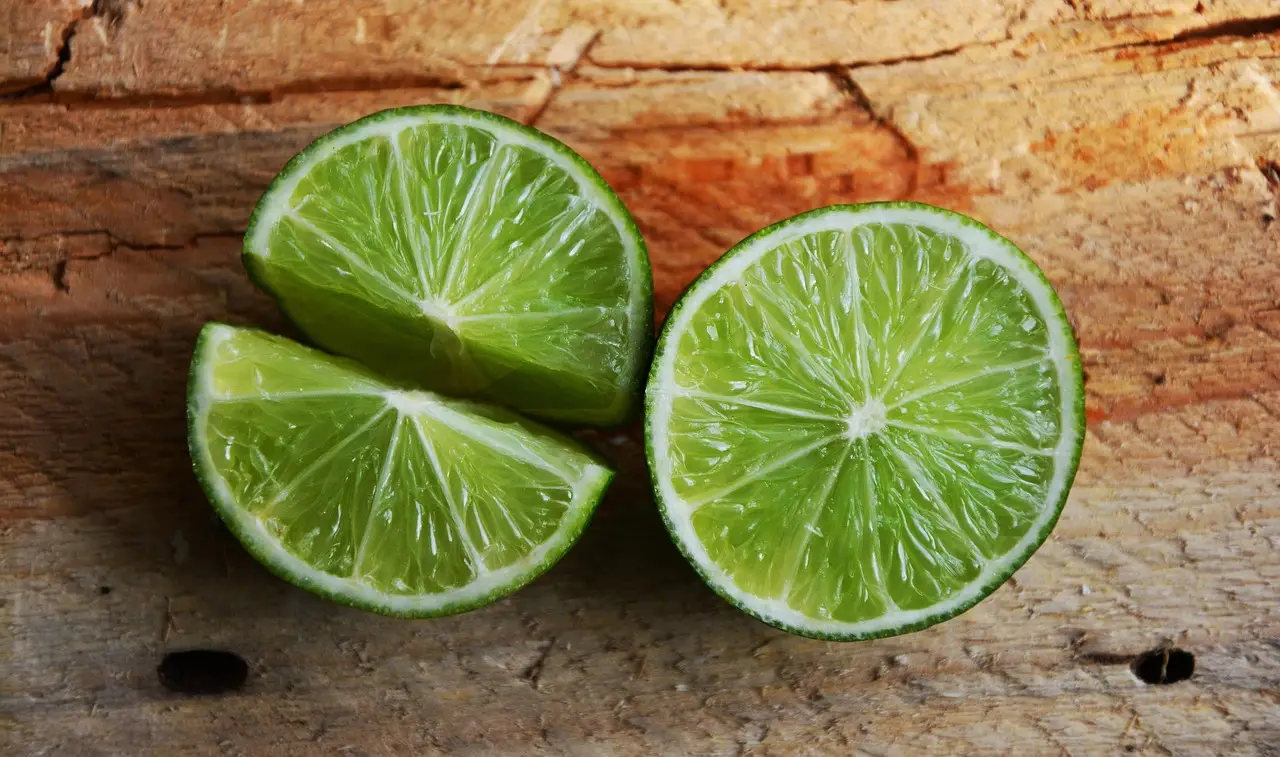
Alferez is expanding this research with a Danish company that builds malaria nets. Their lime-green mesh mimics the greening effect that attracts psyllids, while a polymer infused with insecticide kills any insects trapped by the cover. The trial aims to reduce pest loads in the protected grove and surrounding groves.
A smaller covering called a “beanie” fits over an existing individual cover. It can greatly decrease the psyllid load, especially in trees older than three years that have outgrown standard covers. Alferez said the lime-green mesh topper could cost as little as $1.
That gives established blocks a potentially inexpensive option for extending protection beyond the normal cover period. Farmers still need field evidence that the beanie controls pests consistently across different groves.
Mandarins continue to grow at the Southwest Florida Research and Extension Center. Their presence marks the resilience that growers and researchers are trying to preserve.
Can mesh reduce repeated insecticide spraying?
University of Florida researchers also question whether a fence of lime-green mesh can control psyllids as effectively as individual covers and offer better cost-effectiveness. That trial gives growers evidence for choosing between separate tree covers and a grove-scale installation.
Alferez regards these physical controls as favourable to chemical methods. The chemical benchmark is already intensive: citrus farms abroad may spray insecticide as often as every five days to manage pest loads.
Trees infected with HLB sometimes receive oxytetracycline injections to prevent the bacteria spreading through the plant. The mesh approach must match or exceed that protection and make its economics credible before growers can reduce the chemical workload.
Where is the Florida citrus sector rebuilding?
Alferez said: “We’re seeing new groves and new growers, especially in North Florida.” He explained the constraint: “Because most of the industry moved south in the late 1900s to avoid frost, most of the generational knowledge there is gone.” “There is hope though, and excitement, for the next generation.”
The northward rebuild will require agronomic knowledge as well as new plantings. Existing southern groves face a different test: keeping mature trees productive while the standard individual-cover system reaches its useful limit. The search for practical, affordable control now links those two problems.
What should growers watch next?
The next decision points are the results from the Danish-company trials and the comparison between lime-green mesh fencing and individual covers. Farmers should track pest reductions, the beanie’s performance beyond three-year-old trees and the $1 topper’s cost in working groves.
Until those trials establish reliable control and practical costs, the mesh remains a promising tool rather than a proven substitute for intensive psyllid management. The next results will show whether these tools can combine lower pest pressure with a workable cost base, while new North Florida groves will test whether lost family knowledge can be rebuilt.
via Farm Progress (Source)
More from Tom Whitfield
Show full bio
Staff writer covering regulation, policy and their impact on production farming and field operations at Arable Wire.
185 articles
Nearby records
- TP 24A late-January freeze wiped his crop. Jason Watts replanted anyway.October 30, 2026
- ME 19Syngenta expands Incipio emergency use in Florida strawberriesNovember 6, 2026
- BG 35SA cherry crop jumps 111%, but China access stalls and shelf life shrinksOctober 28, 2026
- SV 24One Florida acre produces 1.7 million heads of lettuce a yearNovember 2, 2026
- DH 70Mississippi Extension scientists ask public to watch for new insectOctober 9, 2026