Grass growth falls to 31kg DM/ha as grazing season nears its close
Growth has fallen to 31kg DM/ha, below demand of 39kg DM/ha, as farmers balance keeping grass in the diet against closing paddocks at a decent cover.
- Entered
- Plot
- 1.0 ha
- Record
- 400 words
- Walk-through
- 2 min
DrillSprayHarvestCurrent stage
Agronomist’s notes
- Grass growth has fallen to 31kg DM/ha as the grazing season ends
- Average growth of 35kg DM/ha now sits below demand of 39kg DM/ha
- Average farm cover is 781kg DM/ha with pre-grazing yields of 2,000kg DM/ha
- Strip fencing should allow 60% of farms to be closed within days
- Each week of delayed closing cuts spring grass supply by over 100kg DM/ha
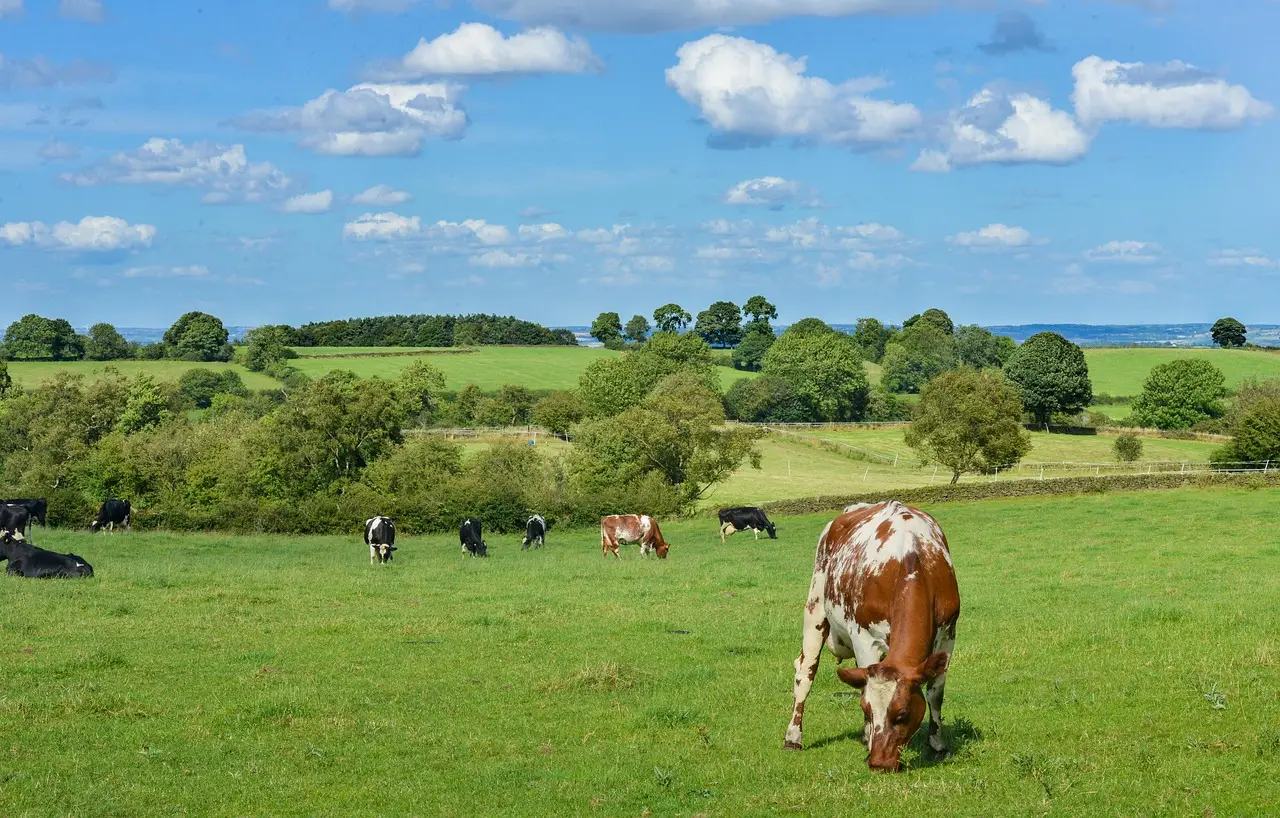
Grass growth has fallen to 31kg of dry matter (DM)/ha, a figure that puts the final rotation squarely in focus for dairy farmers as the grazing season draws to a close. Stormy weather has left conditions unfavourable, but the ending of the season has been fairly ideal after a tough summer drought.
That drought forced silage and extra meal into cows' diets throughout the grazing season. The result is a hole in many pockets on the cost of production side. Stagnated growth also shortened silage supplies, and the worry of a fodder crisis has run through discussions all year.
The elongated dry, mild weather has changed that picture. Cows have stayed out at grass, and a final cut of silage was cleaned up. Together, these two developments have alleviated the pressure on fodder supplies for this winter.
What should farmers do in the closing weeks?
A balanced approach is needed over the next couple of weeks. On one hand, farmers should keep grass in the diet, by day at least, to hold costs down and keep milk protein up. On the other, they must close off the farm at a decent cover.
The paddocks to target in the next few days are the clover paddocks and the reseeds. Grazing these now allows light into the base and sets up a good growth rate.
The numbers behind the decision:
- Average growth rates have dropped below demand: 35kg DM/ha of growth against demand of 39kg DM/ha.
- Average farm cover (AFC) now sits at 781kg DM/ha.
- Pre-grazing yields have been recorded at 2,000kg DM/ha.
- The typical diet across the country is 13kg DM of grass, 4kg of meal, and 2kg of silage.
How quickly should the farm close?
If conditions stay wintery, strip fencing should let farms get 60% of the ground closed over the next few days. That is the practical tool for protecting paddocks while still feeding grass by day.
If another dry spell arrives, the temptation to keep grazing must be resisted. Overgrazing during November carries a measurable cost: each week delayed in closing reduces spring grass supply by over 100kg DM/ha. For a farm balancing winter feed costs against spring turnout, that trade-off is the calculation to make now.
Farmers should watch ground conditions over the coming days and aim to hit the 60% closed mark before conditions deteriorate further.
via cdn.agriland.ie (Original)
More from Tom Whitfield
Show full bio
Staff writer covering regulation, policy and their impact on production farming and field operations at Arable Wire.
178 articles
Nearby records
- EC 4371% of Irish farms now on target for winter fodderOctober 16, 2026
- FN 72Grass Growth Slips to 53kg DM/ha as Farmers Move to Close PlatformOctober 10, 2026
- NZ 23Pasture cropping shows promise for soil health and forageSeptember 29, 2026
- UK 97Adding cattle can improve soil health, Farm Progress reportsSeptember 29, 2026
- SQ 15Winter Wheat Planting Advances as Pasture Conditions SlideOctober 14, 2026